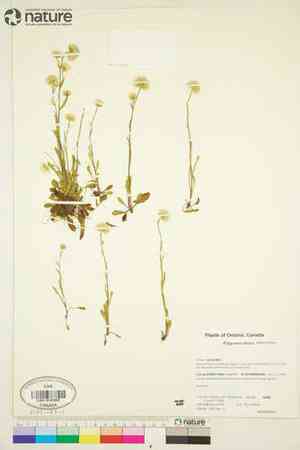
Swamp boreal-daisy (Erigeron elatus)
Also known as: Mountain fleabane, Tall fleabane
Erigeron elatus, commonly known as Tall Fleabane, is primarily located in the Pacific Northwest of North America. In Canada, it is found in southwestern British Columbia, including Vancouver Island. In the United States, it is present in Washington and Oregon. This species thrives in moist habitats, such as wet meadows, streambanks, and forest clearings.
In This Article
Attributes of Swamp boreal-daisy
Lifespan
Biennial, Perennial
Plant Type
Herb
Plant Height
Up to 100 cm
Spread
Approximately 30-50 cm
Leaf Color
Green
Flower Size
2-4 cm
Flower Color
White or pale violet
Images of Swamp boreal-daisy
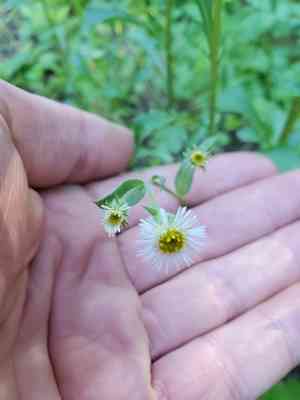
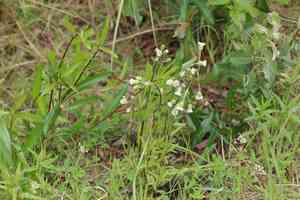
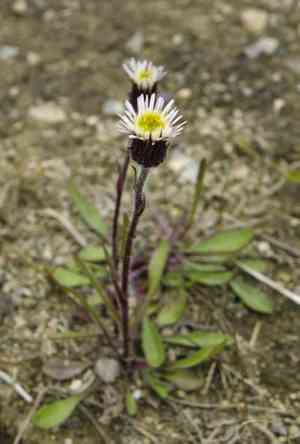
Quickly Identify Swamp boreal-daisy
1
Erigeron elatus can be identified by its tall growth habit, hairy stems, and daisy-like flowers that have a yellow center surrounded by numerous white or pale violet ray florets.
Scientific Classification of Swamp boreal-daisy
Phylum
Vascular plants
Class
Dicotyledons
Order
Asterales
Family
Daisy
Genus
Fleabanes
Species
Swamp boreal-daisy
Planting and Growing of Swamp boreal-daisy
Care Difficulty
Easy
Watering Schedule
Every 2 days
Sunlight Requirements
Full sun
Sunshine Duration
6-10 hours
Ideal Temperature
60-75℉
Soil Type
Potting Mix, Peat Mix
Soil pH
6-7.5
Fertilizer Type
Balanced
Pruning Season
Spring, Summer
Pruning Area
Branches, Leaves
Pruning Frequency
2 times a year
Repotting Season
Spring
Pot Type
Plastic, Ceramic
 How to Water Swamp boreal-daisy?
For Erigeron elatus, providing around 250 milliliters of water each time is essential. This amount is generally sufficient to moisturize the soil without creating waterlogging conditions. Aim to water until the soil feels damp but not soaked, typically reaching the bottom roots without leaving water standing in the saucer.
What are the symptoms of an underwatered Swamp boreal-daisy?
›
What should I do if my Swamp boreal-daisy is not getting enough water?
›
What are the symptoms of an overwatered Swamp boreal-daisy?
›
How to save an overwatered Swamp boreal-daisy?
›
 What Are the Sunlight Requirements for Swamp boreal-daisy?
Erigeron elatus prospers well in partial to full sunlight. Optimal light exposure bolsters its floral output, maintaining the health and vibrancy of its blossoms throughout the growing season.
What is the optimal light exposure for Erigeron elatus?
›
What solutions can help achieve ideal light conditions?
›
What benefits are achieved with ideal lighting?
›
 What Is the Ideal Temperature Range for Swamp boreal-daisy?
The ideal temperature range for Erigeron elatus is between 60°F and 75°F. This range allows the plant to have optimal physiological functions and promote healthy growth. At these temperatures, the metabolism and enzymatic activities can proceed at their best, giving the plant strength in its vegetative and flowering stages.
 What Soil is Best for Swamp boreal-daisy?
Erigeron elatus thrives in well-drained soil, which prevents waterlogging and root rot. Proper drainage ensures the plant can uptake nutrients efficiently, promoting healthy growth. The plant benefits from soil rich in organic matter, which provides the necessary nutrients for optimal growth and blooming. This enhances the plant's vigor and resilience to diseases. This species prefers soil that retains some moisture without being overly saturated. Maintaining moderate moisture supports consistent growth and prevents stress during dry spells.
 How to Fertilize Swamp boreal-daisy?
For Erigeron elatus, use a balanced liquid fertilizer diluted to half strength, applying about 5 milliliters per plant each session. For slow-release granular fertilizers, apply approximately 10 grams per plant at each session. Ensuring proper distribution around the root zone helps in achieving optimum growth without over-fertilizing the plant.
 How to Prune Swamp boreal-daisy?
Begin by assessing your Erigeron elatus for any dead or diseased branches, which should be removed first. Use sharp, clean shears to make cuts just above a healthy leaf node, angled slightly. This encourages new growth and prevents damage from water accumulation. Trim the plant to maintain the desired shape, especially if it's growing leggy. Prune back stems by about one-third to stimulate bushiness. Throughout the growing season, regularly remove spent flowers to encourage continual blooming. Pinch off the dead flower heads at the base or use scissors for a cleaner cut. This tip is particularly beneficial in the summer as it enhances the plant's ability to produce more vibrant flowers, extending the flowering period significantly.
More About Pruning Techniques→
 How to Propagate Swamp boreal-daisy plant?
1
Use a well-draining soil mixture for both seeds and cuttings. A mix of peat moss and perlite or sand is ideal. For seeds, ensure the medium is fine and loose, while for cuttings, it should be slightly moist to encourage root formation.
2
Carefully select a healthy, non-flowering stem for cutting. Cut just below a node with a sharp, sterile blade. Remove the bottom leaves to reduce water loss and dip the cut end into rooting hormone if available to enhance root development.
3
Plant seeds approximately 1/8 inch deep in the prepared seed tray. Lightly press them into the medium to ensure contact. Cover with a thin layer of soil if necessary and mist to maintain humidity. Place the tray in a warm, bright location away from direct sunlight.
 How to Repot Swamp boreal-daisy plant?
1
It's time to repot Erigeron elatus when you notice roots emerging through the drainage holes, when the soil dries out more quickly than usual, or when growth has slowed despite regular care. These signs indicate that the plant has outgrown its current container and requires more space to thrive.
2
Select a pot that is about one to two inches larger in diameter than the current one, with ample drainage holes at the bottom. The excess space allows the roots to expand comfortably, enhancing growth potential, while sufficient drainage prevents water from accumulating and potentially causing root rot.
3
Use a well-draining sandy loam mix to ensure optimal growth conditions. This type of soil allows air to penetrate, improving root health, while facilitating appropriate water drainage, thus reducing the risk of waterlogging and root disease.
Learn More About Swamp boreal-daisy Diseases
Anthracnose
Bacterial Leaf Spot
Bacterial Soft Rot
Bacterial Wilt
Black Spot
Chemical Injury
Crown Gall
Cyst Nematode
Damping-off
Downy Mildew
Drought Stress
Fusarium Wilt
Gray Mold
Leaf Spot
Mosaic
Nutrient Deficiency
Nutrient Toxicity
Powdery Mildew
Root Rot
Root-knot Nematode
Rusts
Sooty Mold
Spider Mites
Temperature Stress
Thrips Damage
White Mold



