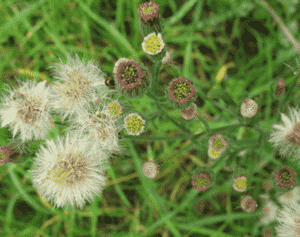
Flaxleaf fleabane (Erigeron bonariensis)
Also known as: Flax-leaf fleabane, Hairy horseweed, Argentine fleabane
Flaxleaf fleabane (Erigeron bonariensis) is an annual weed recognized by its blue-green leaves. It often sprouts in urban settings, such as cracks in driveways and sidewalks. You can also find it in pastures, gardens, and along roadsides. The plant produces numerous seeds that are spread by wind, animals, vehicles, and people.
Attributes of Flaxleaf fleabane
Images of Flaxleaf fleabane
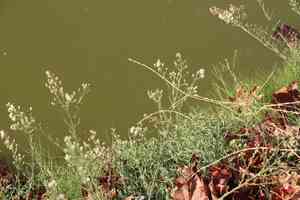
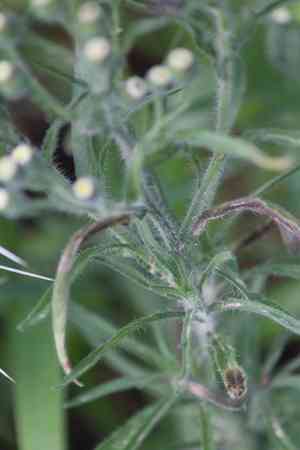
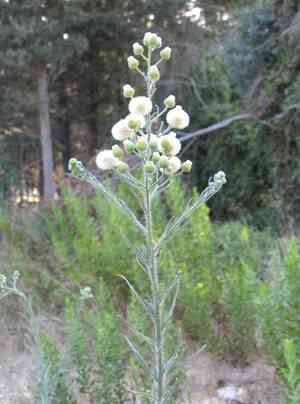
Quickly Identify Flaxleaf fleabane
Scientific Classification of Flaxleaf fleabane
Planting and Growing of Flaxleaf fleabane
 How to Water Flaxleaf fleabane?
 What Are the Sunlight Requirements for Flaxleaf fleabane?
 What Is the Ideal Temperature Range for Flaxleaf fleabane?
 What Soil is Best for Flaxleaf fleabane?
 How to Fertilize Flaxleaf fleabane?
 How to Prune Flaxleaf fleabane?
 How to Propagate Flaxleaf fleabane plant?
 How to Repot Flaxleaf fleabane plant?
Toxicity of Flaxleaf fleabane
Is Flaxleaf fleabane toxic to humans?
Flaxleaf fleabane may induce dermatitis in certain individuals if there is direct contact between any part of the plant and their skin. Therefore, it is recommended to utilize protective gear, like gloves, and to wear long sleeves when interacting with this plant. Furthermore, research indicates that flaxleaf fleabane can provoke hay fever symptoms, which may include a runny nose, watery or itchy eyes, itching in the nose, throat, mouth, and ears, as well as headaches, earaches, a temporary reduction in smell, and feelings of lethargy.
Is Flaxleaf fleabane toxic to cat?
Flaxleaf fleabane poses a serious toxicity risk to cats, potentially leading to considerable health issues. Cats may suffer from poisoning if they unintentionally consume any part of the plant, especially the leaves. Signs of distress and illness can surface after exposure, varying in presentation based on the specific cat and the quantity ingested. It is vital for cat owners to keep a close watch on their pets for any unusual symptoms if they suspect that flaxleaf fleabane has been ingested. Should poisoning occur, seeking immediate veterinary care is essential to guarantee the cat receives necessary treatment and attention.
Is Flaxleaf fleabane toxic to dog?
Flaxleaf fleabane is recognized as toxic to dogs. If dogs inadvertently consume sections of flaxleaf fleabane, especially the leaves, they risk poisoning. The signs of poisoning in dogs may manifest as vomiting, diarrhea, lethargy, or more serious symptoms based on the quantity ingested and the individual dog's sensitivity. It is essential for dog owners to vigilantly observe their pets and restrict their access to flaxleaf fleabane. Should a dog be suspected of having ingested any part of flaxleaf fleabane, seeking immediate veterinary assistance is crucial for prompt treatment and achieving the most favorable outcome.



