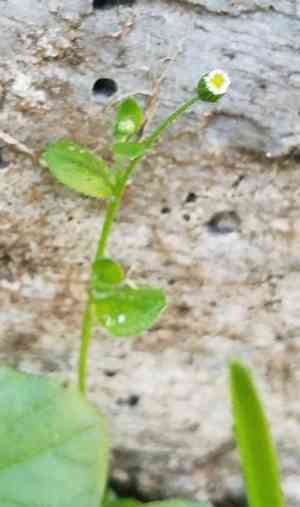
Bellorita (Erigeron bellioides)
Also known as: Western Daisy, Mexican Daisy
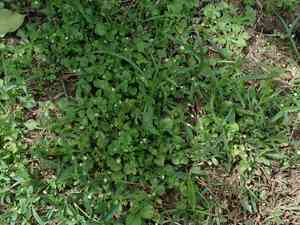
Bellorita, a perennial flowering plant, flourishes in sandy, well-drained soils commonly seen in open woodlands and grasslands. It forms a low, mat-like spread with slender leaves, adding a fine texture to its appearance. The plant's small, daisy-shaped flowers feature vibrant yellow centers surrounded by white or sometimes pinkish petals, usually blooming in spring and attracting many pollinators. Drought-tolerant, Bellorita is well-suited to survive with minimal water, making its blossoms a robust feature in its natural settings.
In This Article
Attributes of Bellorita
Lifespan
Perennial
Plant Type
Herb
Plant Height
10 to 30 cm
Spread
15 to 30 cm
Leaf Color
Green
Flower Size
1 to 2 cm
Flower Color
White with yellow centers
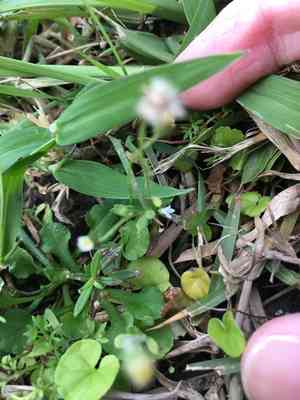
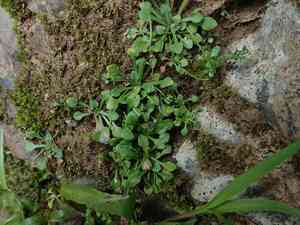
Images of Bellorita
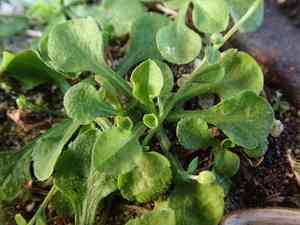
Quickly Identify Bellorita
1
Erigeron bellioides can be identified by its small, daisy-like flowers with white petals and yellow centers. The plant has finely divided, almost fern-like foliage and typically grows in clumps.
Scientific Classification of Bellorita
Phylum
Vascular plants
Class
Dicotyledons
Order
Asterales
Family
Daisy
Genus
Fleabanes
Species
Bellorita
Planting and Growing of Bellorita
Care Difficulty
Easy
Watering Schedule
Every 4 days
Sunlight Requirements
Full sun
Sunshine Duration
6-10 hours
Ideal Temperature
65-75℉
Soil Type
Potting Mix, Peat Mix
Soil pH
6.5-7.5
Fertilizer Type
Balanced
Pruning Season
Spring, Summer
Pruning Area
Branches, Leaves
Pruning Frequency
2 times a year
Repotting Season
Spring
Pot Type
Plastic, Ceramic
 How to Water Bellorita?
For Erigeron bellioides, the key is to keep the soil evenly moist. You'll want to water it thoroughly until approximately 200 ml of water has saturated the soil. It's important that the soil drains well and is never left soggy to prevent root rot.
What are the symptoms of an underwatered Bellorita?
›
What should I do if my Bellorita is not getting enough water?
›
What are the symptoms of an overwatered Bellorita?
›
How to save an overwatered Bellorita?
›
 What Are the Sunlight Requirements for Bellorita?
Partial sun to full sun exposure is ideal, particularly morning sunlight. This enhances the plant’s ability to photosynthesize effectively, ensuring vibrant and sustained growth over time.
What is the best light exposure for Erigeron bellioides?
›
How can I ensure adequate lighting for Erigeron bellioides?
›
What are the benefits of ideal lighting for Erigeron bellioides?
›
 What Is the Ideal Temperature Range for Bellorita?
The ideal temperature range for growing Erigeron bellioides is between 65°F and 75°F. This range provides a stable and conducive environment that promotes healthy growth and prevents stress on the plant. Maintaining steady temperatures within this range encourages better flowering and foliage development.
 What Soil is Best for Bellorita?
Erigeron bellioides thrives in loam soil, which is renowned for its nutrient richness and excellent drainage. This enables the plant to develop a robust root system and ensures superior growth and flowering. Choosing sandy loam provides exceptional drainage, preventing waterlogging while retaining moisture. This balance is perfect for Erigeron bellioides to avoid root rot and prosper in a myriad of climates. Erigeron bellioides can tolerate slightly calcareous soils, which help in maintaining soil pH within an optimal range. This quality also buffers against rapid pH changes, supporting the plant's nutrient uptake.
 How to Fertilize Bellorita?
When it comes to fertilizing Erigeron bellioides, a balanced approach is essential. During active growth, use a balanced liquid fertilizer diluted at a ratio of 1:4 every two weeks to provide the necessary nutrients without overwhelming the plant's root system.
 How to Prune Bellorita?
Begin by inspecting your Erigeron bellioides for any visibly dead, diseased, or damaged stems. These should be removed first to prevent any potential disease from spreading and to allow healthier parts of the plant to access more nutrients and light. After eliminating dead material, focus on shaping the plant. Trim back overgrown branches and those that are disrupting the plant's natural form. Aim to achieve a balanced shape, keeping the center open to improve air circulation, which helps reduce disease and promotes more vigorous growth. To maximize flowering, make cuts just above a leaf node or bud. This technique encourages new growth and more abundant blooms. Pruning just after the bloom cycle ends can also prompt a second wave of flowering, extending the plant's display throughout the growing season.
More About Pruning Techniques→
 How to Propagate Bellorita plant?
1
Collect seeds from mature Erigeron bellioides flowers and clean them. Use a fine sieve to remove any debris. Store the seeds in a dry, cool place until ready to plant.
2
Select healthy stems and cut 4-6 inch pieces. Ensure to take cuttings just below a node. Leave only two or three leaves on the upper part to reduce water loss.
3
Identify mature plants that can be divided in spring. Carefully lift the plant and divide it using a sharp spade, ensuring each division has roots attached.
 How to Repot Bellorita plant?
1
Monitor Erigeron bellioides for growth constraints, such as roots emerging from the drainage holes or water pooling on the surface. These signs indicate it's time to upgrade to a larger pot. The best time to repot is in spring or summer when the plant is actively growing.
2
Select a pot that is 1-2 inches larger in diameter than the current one. Ensure it has adequate drainage holes to prevent root rot. A slightly larger pot will provide adequate space for root expansion, promoting healthy growth while minimizing the risk of overwatering.
3
Opt for a well-draining sandy loam soil mix. This type of soil ensures the roots receive adequate aeration and do not sit in water, which can lead to rot. The sandy component aids in drainage, making it ideal for Erigeron bellioides which prefers drier conditions.
Learn More About Bellorita Diseases
Anthracnose
Bacterial Leaf Spot
Bacterial Soft Rot
Bacterial Wilt
Black Spot
Chemical Injury
Crown Gall
Cyst Nematode
Damping-off
Downy Mildew
Drought Stress
Fusarium Wilt
Gray Mold
Leaf Curl
Leaf Spot
Mosaic
Nutrient Deficiency
Nutrient Toxicity
Powdery Mildew
Root Rot
Root-knot Nematode
Rusts
Sooty Mold
Spider Mites
Temperature Stress
Thrips Damage
White Mold


