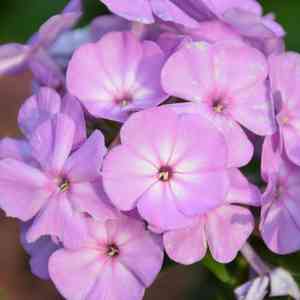
Sapphire woollystar (Eriastrum sapphirinum)
Also known as: Sapphire Woolly Star
The name "Sapphire woollystar" comes from its striking blue, star-shaped flowers and the woolly texture of its leaves. This annual herb, known scientifically as Eriastrum sapphirinum, is native to California, particularly thriving in the southwestern areas of the state. It is versatile and can be found in a variety of habitats and soil types within its native range.
In This Article
Attributes of Sapphire woollystar
Lifespan
Annual
Plant Type
Herb
Plant Height
6 to 24 inches (15 to 60 cm)
Spread
Not applicable
Leaf Color
Green
Flower Size
Up to 1 inch (2.5 cm)
Flower Color
Blue, occasionally white
Images of Sapphire woollystar
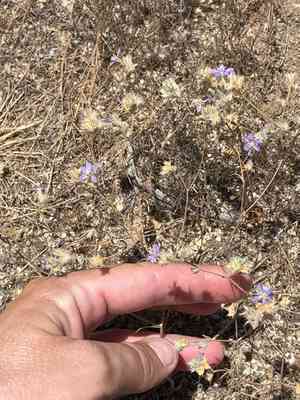
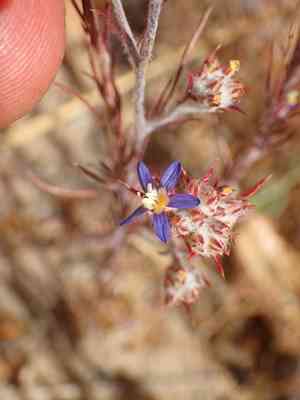
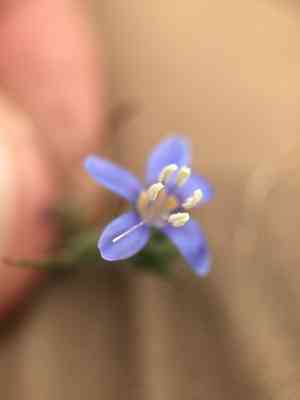
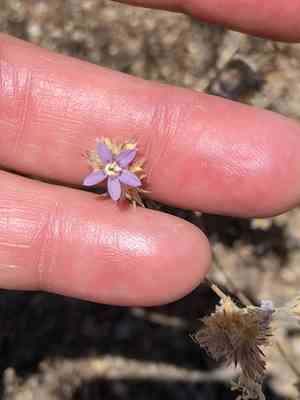
Quickly Identify Sapphire woollystar
1
This plant can be easily identified by its woolly, hairy stems and bright blue, star-shaped flowers. The leaves are needle-like and grow in clusters. Its vibrant blue flowers are a key distinguishing feature.
Scientific Classification of Sapphire woollystar
Phylum
Vascular plants
Class
Dicotyledons
Order
Ericales
Family
Phlox
Genus
Woollystars
Species
Sapphire woollystar
Planting and Growing of Sapphire woollystar
Care Difficulty
Moderate
Watering Schedule
Every 2 days
Sunlight Requirements
Full sun
Sunshine Duration
4-8 hours
Ideal Temperature
65-75℉
Soil Type
Potting Mix, Peat Mix
Soil pH
6.5-7.5
Fertilizer Type
Balanced
Pruning Season
Spring, Summer
Pruning Area
Branches, Leaves
Pruning Frequency
2 times a year
Repotting Season
Spring
Pot Type
Plastic, Ceramic
 How to Water Sapphire woollystar?
Eriastrum sapphirinum should be watered with about 250 milliliters to ensure the soil is adequately moist but not waterlogged. It's vital to allow the soil to dry out between waterings to mimic its natural habitat.
What are the symptoms of an underwatered Sapphire woollystar?
›
What should I do if my Sapphire woollystar is not getting enough water?
›
What are the symptoms of an overwatered Sapphire woollystar?
›
How to save an overwatered Sapphire woollystar?
›
 What Are the Sunlight Requirements for Sapphire woollystar?
Eriastrum sapphirinum thrives best with full sun exposure or partial sun, benefiting from six to eight hours of sunlight. This range ensures healthy growth, robust flower production, and vibrant foliage.
How much sunlight does it need daily?
›
What are the signs it’s getting too little light?
›
How can you optimize light exposure outdoors?
›
 What Is the Ideal Temperature Range for Sapphire woollystar?
For Eriastrum sapphirinum, maintaining an ideal temperature range of 65°F to 75°F promotes optimal growth. This range supports efficient photosynthesis and prevents physiological stress, thus encouraging healthy leaf and flower development.
 What Soil is Best for Sapphire woollystar?
Eriastrum sapphirinum thrives in well-draining soil, which prevents root rot and promotes healthy growth. The looseness of sandy soil ensures water doesn't pool around the roots, safeguarding the plant from waterlogging issues. This plant can tolerate poor, nutrient-deficient soils, which means fertilizing isn't always necessary. This characteristic makes it ideal for low-maintenance gardening in areas where rich soil is scarce. Aeration is crucial for Eriastrum sapphirinum as it facilitates gas exchange and root health. The sandy components in its preferred soil type allow for sufficient airflow, encouraging robust root systems.
 How to Fertilize Sapphire woollystar?
Eriastrum sapphirinum generally requires a balanced and modest amount of fertilizer. Use half-strength liquid fertilizer, providing about 1/2 tablespoon per gallon of water. For solid fertilizers, apply at a rate of about 1 ounce per square foot. The goal is to offer nutrients without overwhelming the plant, facilitating healthy growth, blooms, and vibrant foliage.
 How to Prune Sapphire woollystar?
Begin by examining your Eriastrum sapphirinum for any dead or discolored foliage. These areas are usually the parts that need attention first, ensuring the plant remains healthy. Cut back dead or decaying flowers and leaves to the base of the plant. This step is crucial for redirecting energy to healthier parts and new growth. Carefully trim back any unruly branches or stems that disrupt the plant's natural form. Focus on promoting open growth to allow sunlight and air to penetrate, reducing disease risk.
More About Pruning Techniques→
 How to Propagate Sapphire woollystar plant?
1
Before sowing Eriastrum sapphirinum seeds, it is beneficial to soak them in warm water for 24 hours. This helps to soften the seed coat, promoting better and quicker germination rates. Ensure to use clean water to avoid any contamination.
2
Scatter the seeds evenly on the surface of the potting mix in the seed tray. Lightly cover with a thin layer of the mix or sand. Ensure that they are not buried too deep as they require light for germination. Gently water to settle them in the soil.
3
Keep the soil consistently moist by misting it daily. However, be careful not to over-water, as this can lead to fungal diseases. A clear plastic cover over the seed tray can help retain moisture and warmth, enhancing germination success.
 How to Repot Sapphire woollystar plant?
1
Repotting Eriastrum sapphirinum is best done when you notice the roots emerging from the drainage holes or if the plant appears to be outgrowing its current container. This indicates that the plant has used up the available space and nutrients, necessitating a larger pot to sustain healthy growth.
2
Choose a pot that is one to two inches larger in diameter than the current one. Preferably, the pot should be made of breathable material like terracotta, which helps in maintaining good airflow and moisture balance. This promotes a healthier root system, minimizing the risk of overwatering.
3
Opt for a well-draining sandy mix to mimic this plant's natural habitat, helping to prevent waterlogging. A soil that efficiently drains excess water while retaining essential moisture is key. It not only reduces root rot risks but also ensures that the plant receives the nutrients it needs without suffocating the roots.
Learn More About Sapphire woollystar Diseases
Anthracnose
Bacterial Leaf Spot
Bacterial Soft Rot
Bacterial Wilt
Chemical Injury
Crown Gall
Cyst Nematode
Damping-off
Downy Mildew
Drought Stress
Fusarium Wilt
Gray Mold
Leaf Spot
Mosaic
Nutrient Deficiency
Nutrient Toxicity
Powdery Mildew
Root Rot
Root-knot Nematode
Rusts
Sooty Mold
Spider Mites
Temperature Stress
Thrips Damage
White Mold


