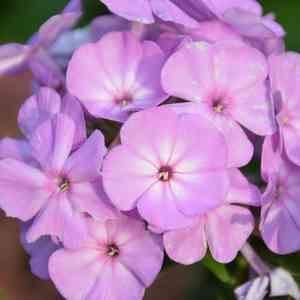
Tehachapi woollystar (Eriastrum pluriflorum)
Also known as: Many-flowered Woollystar
The Tehachapi woollystar is a resilient perennial that flourishes in arid, well-drained soils. It features clusters of violet-blue flowers atop slender, branched stems. Its narrow, pointed leaves are designed to reduce water loss, an essential adaptation for survival in dry environments. Additionally, the plant's blooming season brings a burst of color to its native habitat, enhancing the landscape's visual appeal.
In This Article
Attributes of Tehachapi woollystar
Lifespan
Annual
Plant Type
Herb
Plant Height
5-30 centimeters
Spread
5-10 centimeters
Leaf Color
Green
Flower Size
0.5-1.5 centimeters
Flower Color
Blue, Purple
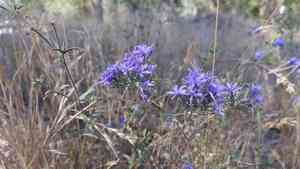
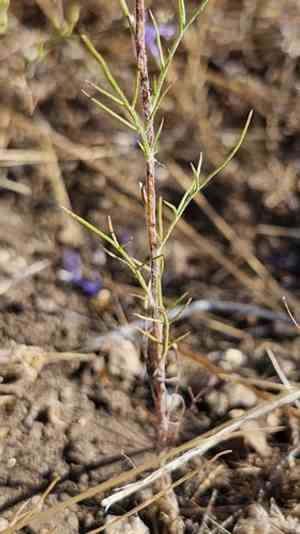
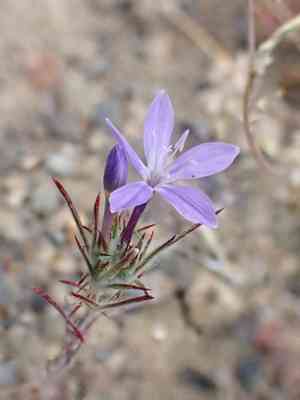
Images of Tehachapi woollystar
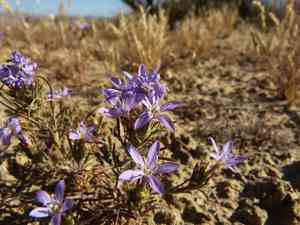
Quickly Identify Tehachapi woollystar
1
Eriastrum pluriflorum can be identified by its many small, star-shaped blue or purple flowers, woolly stems, and needle-like leaves. It typically blooms in the spring and early summer.
Scientific Classification of Tehachapi woollystar
Phylum
Vascular plants
Class
Dicotyledons
Order
Ericales
Family
Phlox
Genus
Woollystars
Species
Tehachapi woollystar
Planting and Growing of Tehachapi woollystar
Care Difficulty
Moderate
Watering Schedule
Every 2 days
Sunlight Requirements
Full sun
Sunshine Duration
4-6 hours
Ideal Temperature
65-75℉
Soil Type
Potting Mix, Peat Mix
Soil pH
6.5-7.5
Fertilizer Type
Balanced
Pruning Season
Spring, Summer
Pruning Area
Branches, Leaves
Pruning Frequency
2 times a year
Repotting Season
Spring
Pot Type
Plastic, Ceramic
 How to Water Tehachapi woollystar?
Eriastrum pluriflorum requires moderate watering, around 250 milliliters each time. The goal is to slightly dampen the soil without making it soggy. This plant thrives in well-drained soil, mimicking its natural environment, so water sparsely.
What are the symptoms of an underwatered Tehachapi woollystar?
›
What should I do if my Tehachapi woollystar is not getting enough water?
›
What are the symptoms of an overwatered Tehachapi woollystar?
›
How to save an overwatered Tehachapi woollystar?
›
 What Are the Sunlight Requirements for Tehachapi woollystar?
Eriastrum pluriflorum flourishes in a full sun environment, ideally 6 to 8 hours of direct sunlight each day. Such light exposure is paramount for flowering, allowing the plant to perform photosynthesis at an optimum rate, facilitating strong growth and blooming.
What is the best light exposure for Eriastrum pluriflorum?
›
How can I ensure my Eriastrum pluriflorum gets ideal light?
›
What are the benefits of providing ideal light for Eriastrum pluriflorum?
›
 What Is the Ideal Temperature Range for Tehachapi woollystar?
The ideal temperature range for Eriastrum pluriflorum, commonly known as many-flowered woollystar, is between 65°F and 75°F. Within this range, the plant can maintain optimal physiological processes, promote healthy growth, and produce vibrant flowers. Ensuring consistent temperatures within this range helps the plant to thrive and reduces stress.
 What Soil is Best for Tehachapi woollystar?
Eriastrum pluriflorum thrives in well-drained soils, as proper drainage prevents root rot. This characteristic ensures that water does not pool around the roots, allowing the plant to obtain oxygen and nutrients efficiently. This plant is adapted to grow in soils with low fertility, making it ideal for areas where other plants might struggle. It efficiently uses available nutrients, minimizing the need for fertilization and reducing maintenance requirements. While requiring good drainage, Eriastrum pluriflorum benefits from moisture retention that is balanced. This allows the soil to remain somewhat moist yet not soggy, thus promoting healthy growth without the risk of dehydration.
 How to Fertilize Tehachapi woollystar?
Eriastrum pluriflorum benefits from a balanced, diluted liquid fertilizer. Use a 10-10-10 or 20-20-20 formulation, but dilute it to 25% of the recommended strength to avoid burning the roots. If using slow-release granules, apply no more than one tablespoon per plant, as this plant thrives in nutrient-poor soils naturally.
 How to Prune Tehachapi woollystar?
Begin by identifying dead, damaged, or diseased branches. Use clean, sharp pruning shears to make cuts just above a healthy node. Ensure the cut is at a slight angle to prevent water from settling on the cut surface, reducing the risk of infection. To encourage bushier growth and more blooms, pinch back the growing tips. This entails removing the top few inches of the plant to promote lateral branching. Focus on thin, leggy growth sections to maintain a compact shape.
More About Pruning Techniques→
 How to Propagate Tehachapi woollystar plant?
1
Collect seeds from mature Eriastrum pluriflorum plants when the seed heads are dry and brown. Ensure to gather them before they disperse naturally but avoid picking them too early or they may not be viable.
2
Prepare a well-drained sandy soil mixture. Sterilize it by baking in the oven or using boiling water in a waterproof container to prevent any fungal or bacterial infections.
3
Sow the seeds lightly on the surface of the soil, as they require light to germinate. Gently press them into the soil but avoid burying them completely.
 How to Repot Tehachapi woollystar plant?
1
Eriastrum pluriflorum signals its need for repotting when the roots begin to encircle the pot or protrude from the drainage holes. Additionally, if you notice that water is not being absorbed efficiently or the plant appears stunted despite proper care, it's time to give it a new, spacious home with fresh soil.
2
Select a pot that is 1-2 inches larger in diameter than the current pot. It should have ample drainage holes to prevent overwatering. A pot made from a breathable material like terracotta allows for better aeration and helps mimic the plant's natural environment, reducing the risk of root rot.
3
Opt for a well-draining sandy mix that emulates the plant's native arid conditions. This type of soil helps prevent waterlogging and supports root health by ensuring air circulation. A mix with ample grit or perlite will assist in maintaining appropriate water retention without suffocating the roots.
Learn More About Tehachapi woollystar Diseases
Bacterial Leaf Spot
Bacterial Soft Rot
Crown Gall
Cyst Nematode
Damping-off
Downy Mildew
Drought Stress
Fusarium Wilt
Gray Mold
Leaf Spot
Mosaic
Nutrient Deficiency
Nutrient Toxicity
Powdery Mildew
Root Rot
Root-knot Nematode
Rusts
Sooty Mold
Spider Mites
Temperature Stress
Thrips Damage
White Mold
Chemical Injury


