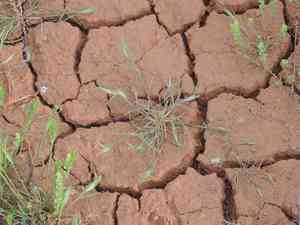
Oriental false wheatgrass (Eremopyrum orientale)
Also known as: Eastern wheatgrass
Oriental false wheatgrass is a perennial grass native to regions including the Middle East, parts of China, and the Mediterranean. It typically grows in arid environments like dry soils, wooded steppes, and sandy areas. During the spring, it serves as an important food source for various animal species.
In This Article
Attributes of Oriental false wheatgrass
Lifespan
Annual
Plant Type
Grass
Plant Height
8 cm to 25 cm
Spread
Not applicable (as it is a grass species)
Leaf Color
Green Blue
Flower Size
8 mm to 1.6 cm
Flower Color
White Green
Images of Oriental false wheatgrass
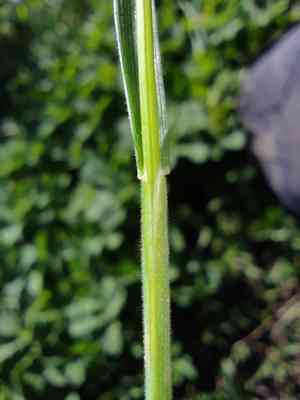
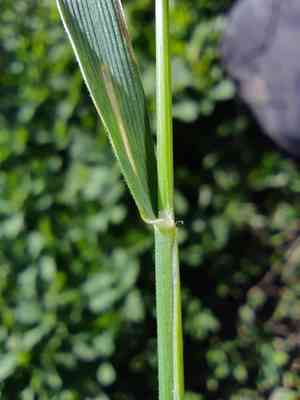
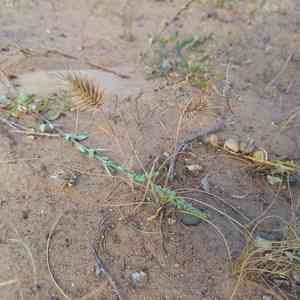
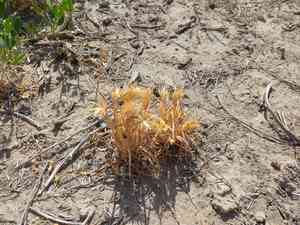
Quickly Identify Oriental false wheatgrass
1
Identification of Eremopyrum orientale can be done by observing its slender stems, which are often covered with a fine pubescence. Its leaves are narrow and flat, and the inflorescence is a compact, spike-like panicle. The spikelets are typically solitary and contain 3-5 florets.
Scientific Classification of Oriental false wheatgrass
Phylum
Vascular plants
Class
Monocotyledons
Order
Poales
Family
Grass
Genus
False wheatgrass
Species
Oriental false wheatgrass
Planting and Growing of Oriental false wheatgrass
Care Difficulty
Moderate
Watering Schedule
Every 4 days
Sunlight Requirements
Full sun
Sunshine Duration
6-10 hours
Ideal Temperature
68-77℉
Soil Type
Potting Mix, Peat Mix
Soil pH
6.5-7.5
Fertilizer Type
Balanced
Pruning Season
Spring, Summer
Pruning Area
Branches, Leaves
Pruning Frequency
2 times a year
Repotting Season
Spring
Pot Type
Plastic, Ceramic
 How to Water Oriental false wheatgrass?
Eremopyrum orientale prefers moderate watering. Aim for about 200ml of water each time, ensuring the surface soil is moist but not waterlogged. This plant appreciates a light, even soaking rather than deep saturation, which mimics its native habitat conditions.
What are the symptoms of an underwatered Oriental false wheatgrass?
›
What should I do if my Oriental false wheatgrass is not getting enough water?
›
What are the symptoms of an overwatered Oriental false wheatgrass?
›
How to save an overwatered Oriental false wheatgrass?
›
 What Are the Sunlight Requirements for Oriental false wheatgrass?
Eremopyrum orientale ideally thrives in 6 to 8 hours of sunlight. Proper light exposure supports robust growth and increases its resilience against environmental stressors.
What is the ideal light for Eremopyrum orientale?
›
How can one achieve ideal light conditions?
›
What benefits do ideal light conditions offer?
›
 What Is the Ideal Temperature Range for Oriental false wheatgrass?
The ideal temperature range for Eremopyrum orientale growth falls between 68°F to 77°F. This range provides optimal conditions for photosynthesis and growth, promoting healthy development and resilience to minor environmental fluctuations. Maintaining a stable temperature within this bracket not only supports vigorous growth but also enhances the plant's ability to uptake nutrients effectively.
 What Soil is Best for Oriental false wheatgrass?
Eremopyrum orientale thrives in well-drained soils, which prevent waterlogging and root rot, ensuring plant health and vitality. This plant prefers soils that are rich in organic matter. Nutrient-rich soils provide the necessary elements needed for optimal growth and robust development. While Eremopyrum orientale needs well-drained soil, it also benefits from soils that maintain some moisture without becoming waterlogged, supporting sustained growth.
 How to Fertilize Oriental false wheatgrass?
Eremopyrum orientale typically requires a moderate amount of fertilizer. For liquid fertilizer, use a diluted solution at half the recommended strength. For slow-release granular fertilizers, apply approximately 1 to 2 grams per plant, evenly distributing it over the soil.
 How to Prune Oriental false wheatgrass?
Begin by inspecting the plant for dead, damaged, or diseased stems. These are the primary targets for removal to maintain plant health and encourage new growth. Use sharp shears to cut away dead or weak stems at their base. For shape maintenance, trim back any overgrown or awkwardly placed branches, keeping the plant's natural form in mind. After major cuts, step back and view the plant holistically. Make any final snips to maintain balance in appearance. Remove debris from around the base to keep pests at bay.
 How to Propagate Oriental false wheatgrass plant?
1
Before sowing the seeds, prepare the soil by ensuring it is well-drained and slightly moist. This helps in faster seed germination and prevents disease.
2
Distribute the Eremopyrum orientale seeds evenly over the surface of the soil. Avoid burying them too deep to ensure they receive enough light for germination.
3
After sowing, water the seeds gently to avoid displacing them. Keep the soil consistently moist but not waterlogged to promote healthy growth.
 How to Repot Oriental false wheatgrass plant?
1
Eremopyrum orientale shows clear signs when it needs repotting, such as slowing growth, roots growing out of the drainage holes, or if the plant looks top-heavy. Ideally, repot during its active growing seasons like spring or autumn to ensure a smooth transition.
2
Opt for a pot that's about 2 inches larger in diameter than the current one. Ensure it has drainage holes. A terracotta pot is ideal as it allows excess moisture to evaporate, preventing root rot, which is vital for the plant's health.
3
Use a well-draining sandy potting mix. The soil should be light and airy, allowing for proper drainage and preventing water from stagnating, which could lead to root rot. A mix with a bit of organic matter will also provide nutrients and promote healthy growth.



