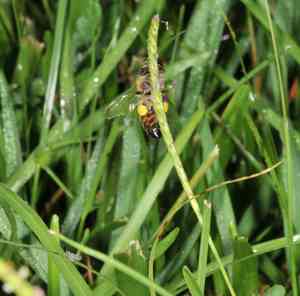
Centipedegrass (Eremochloa ophiuroides)
Also known as: Centipede grass
Bermuda grass is often used for lawns in warm climates due to its ease of growth and low mowing needs. However, it is seen as a weed in disturbed areas and along roadsides in the US, and it is considered invasive in Puerto Rico. This grass is resilient, even recovering swiftly after fires.
In This Article
Attributes of Centipedegrass
Lifespan
Perennial
Plant Type
Grass
Plant Height
20 cm
Spread
6-12 inches
Leaf Color
Green Blue
Flower Size
4 cm to 6 cm
Flower Color
White Green Purple
Images of Centipedegrass
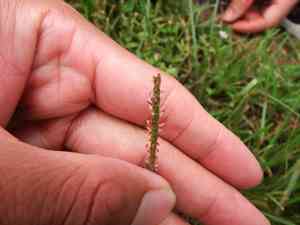
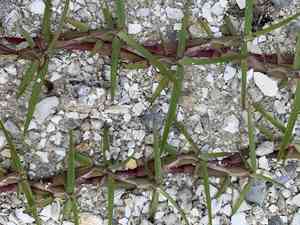
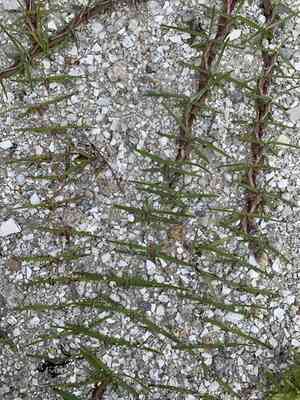
Quickly Identify Centipedegrass
1
Distinctive purple spike-like racemes, 3-5 inches (7.6-12.7 cm) long.
2
Smooth, light green leaves with folded venation and a white midvein.
3
Thick, green stems with horizontal to erect growth habit, 0.1-0.2 inches (2.5-5 mm).
Scientific Classification of Centipedegrass
Phylum
Vascular plants
Class
Monocotyledons
Order
Grasses, sedges and allies
Family
Grass
Genus
Eremochloa
Species
Centipedegrass
Planting and Growing of Centipedegrass
Care Difficulty
Easy
Watering Schedule
Every 6 days
Sunlight Requirements
Full sun
Sunshine Duration
4-8 hours
Ideal Temperature
68-77℉
Soil Type
Potting Mix, Peat Mix
Soil pH
5.8-7
Fertilizer Type
Balanced
Pruning Season
Spring, Summer
Pruning Area
Branches, Leaves
Pruning Frequency
2 times a year
Repotting Season
Spring
Pot Type
Plastic, Ceramic
 How to Water Centipedegrass?
Eremochloa ophiuroides, commonly known as centipede grass, requires a careful watering strategy. Aim to provide about 500 milliliters per watering session to ensure the ground receives sufficient moisture. The soil should be moist to the touch but never swampy. Ideal watering saturates the soil to a depth of around 6 inches.
What are the symptoms of an underwatered Centipedegrass?
›
What should I do if my Centipedegrass is not getting enough water?
›
What are the symptoms of an overwatered Centipedegrass?
›
How to save an overwatered Centipedegrass?
›
 What Are the Sunlight Requirements for Centipedegrass?
Eremochloa ophiuroides thrives in environments offering full to partial sun, enhancing its growth and color by providing sufficient energy for optimal photosynthesis and maintaining healthy turf conditions.
More About Sunlight Requirements Techniques→
What exposure to sunlight does Eremochloa ophiuroides need?
›
How to ensure ideal light conditions for Eremochloa ophiuroides?
›
Benefits of ideal lighting for Eremochloa ophiuroides?
›
 What Is the Ideal Temperature Range for Centipedegrass?
The ideal temperature range for Eremochloa ophiuroides, commonly known as 'centipede grass', is between 68°F and 77°F. This temperature range facilitates optimal growth and development of the plant by providing a balanced environment that enhances photosynthesis and nutrient absorption. Maintaining these temperatures helps the plant establish strong roots and lush foliage.
 What Soil is Best for Centipedegrass?
Eremochloa ophiuroides thrives in well-drained soil that prevents waterlogging. Ensuring proper drainage helps the roots access oxygen more efficiently, promoting better growth and reducing the risk of root diseases. This plant prefers soil with moderate fertility. Rich organic matter enhances nutrient availability, fostering lush green growth while supporting the plant's overall health and vigor. Maintaining consistent moisture levels is crucial for Eremochloa ophiuroides. Moist soil supports steady growth and prevents stress during dry spells, ensuring a vibrant appearance.
 How to Fertilize Centipedegrass?
For Eremochloa ophiuroides, a moderate approach to fertilizing is key. Typically, for liquid fertilizers, use about one gallon of a diluted solution (with a 1:3 water to fertilizer ratio) per 1000 square feet. When using granular or slow-release fertilizers, apply between 0.5 to 1 pound of nitrogen per 1000 square feet in a single application. Avoid over-fertilization as it may lead to unhealthy grass growth and environmental harm.
 How to Prune Centipedegrass?
Before you start pruning, take a close look at your lawn to identify any invasive weeds or unwanted growth. Spot them early and handle them promptly to prevent them from spreading and competing with your Eremochloa ophiuroides for nutrients. While pruning is beneficial, avoid doing it aggressively during periods of high stress, like extreme heat or drought. Excessive cutting can put additional stress on the grass, leading to poor recovery and potential damage.
 How to Propagate Centipedegrass plant?
1
Harvest seeds from mature seed heads when they are dry. Remove debris and select healthy seeds for sowing. Store seeds in a cool, dry place until planting.
2
Select healthy stems from the mother plant. Use pruning shears to cut sections that are approximately 3 to 4 inches in length, ensuring each has at least one node.
3
Gently dig around the plant to remove it from the soil. Divide the root clump into smaller sections, making sure each section has roots and leaves. Replant immediately for best results.
 How to Repot Centipedegrass plant?
1
Eremochloa ophiuroides, commonly known as centipede grass, typically needs repotting when it appears root-bound or exhibits stunted growth. The best time to repot is during active growth seasons, like spring or early summer. Look for roots emerging from drainage holes as a sign your plant craves more space.
2
Select a pot that is only slightly larger than the current one to prevent overwatering. Opt for a pot with excellent drainage capabilities, ideally with several holes at the bottom, which helps in preventing waterlogged roots and promotes healthy growth of Eremochloa ophiuroides.
3
Use a well-draining garden soil mixed with a bit of sand to mimic its natural environment. This mix encourages proper aeration and prevents the roots from being drowned, which supports healthy and robust growth for your centipede grass.



