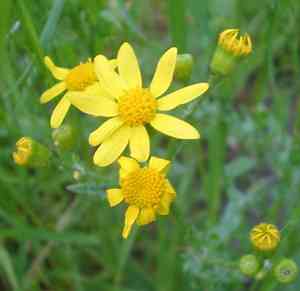
Tropical burnweed (Erechtites valerianifolius)
Also known as: Erect Mikania, Mikania Vine
Erechtites valerianifolius, also known as tropical burnweed or fireweed, originates from Central and South America and has spread to various other regions worldwide. This annual plant belongs to the daisy family and features yellow or purple flowers. In its native areas, it is valued as a leafy vegetable due to its high content of protein, vitamin A, zinc, and iron. These nutrients are beneficial for immune function, vision, and overall health.
In This Article
Attributes of Tropical burnweed
Lifespan
Annual
Plant Type
Herb
Plant Height
1 m
Spread
Not applicable for herbaceous plants; forms a clump
Leaf Color
Green
Flower Size
3 mm
Flower Color
White Purple
Images of Tropical burnweed
Quickly Identify Tropical burnweed
1
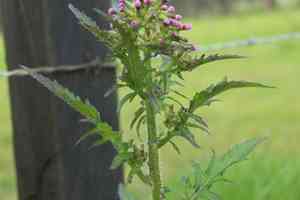
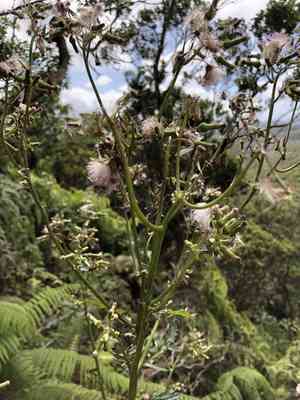
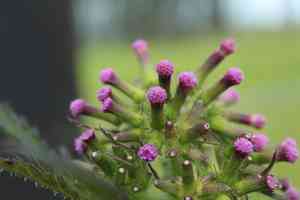
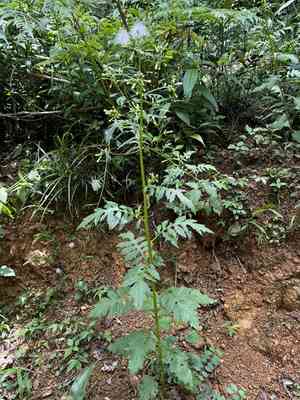
Erechtites valerianifolius can be recognized by its erect growth habit, deeply lobed leaves, and clusters of small, white to pinkish flowers. The leaves have a deeply serrated margin, and the plant produces milky sap when cut.
Scientific Classification of Tropical burnweed
Phylum
Vascular plants
Class
Dicotyledons
Order
Asterales
Family
Daisy
Genus
Burnweed
Species
Tropical burnweed
Planting and Growing of Tropical burnweed
Care Difficulty
Easy
Watering Schedule
Every 4 days
Sunlight Requirements
Partial sun
Sunshine Duration
4-6 hours
Ideal Temperature
60-75℉
Soil Type
Potting Mix, Peat Mix
Soil pH
6.5-7.5
Fertilizer Type
Balanced
Pruning Season
Spring, Summer
Pruning Area
Branches, Leaves
Pruning Frequency
2 times a year
Repotting Season
Spring
Pot Type
Plastic, Ceramic
 How to Water Tropical burnweed?
Erechtites valerianifolius, commonly known as tropical burnweed, requires a watering amount that ensures the soil is moist, but not waterlogged. Around 200 milliliters per watering is ideal, allowing sufficient moisture to reach the roots while preventing root rot. Ensure that the top inch of soil is dry before the next watering.
What are the symptoms of an underwatered Tropical burnweed?
›
What should I do if my Tropical burnweed is not getting enough water?
›
What are the symptoms of an overwatered Tropical burnweed?
›
How to save an overwatered Tropical burnweed?
›
 What Are the Sunlight Requirements for Tropical burnweed?
Erechtites valerianifolius ideally thrives in partial sun. This ensures it's not overly stressed by intense direct sunlight, maintaining its vibrant appearance and health.
More About Sunlight Requirements Techniques→
What is the ideal light condition for Erechtites valerianifolius?
›
How can I achieve the ideal light condition?
›
What are the benefits of ideal lighting?
›
 What Is the Ideal Temperature Range for Tropical burnweed?
Erechtites valerianifolius thrives best in temperatures ranging from 60°F to 75°F. This range ensures optimal growth and photosynthesis, providing the plant with the necessary conditions to develop sturdy stems and healthy leaves.
 What Soil is Best for Tropical burnweed?
Erechtites valerianifolius thrives in nutrient-rich soils that provide ample essential minerals. Nutrient-rich soils support vigorous growth and the overall health of the plant. The plant requires well-drained soil to prevent waterlogging, which can lead to root rot. Proper drainage ensures the roots receive adequate oxygen and nutrients, promoting healthy growth. A significant amount of organic matter in the soil helps retain moisture and supply nutrients. Organic matter also supports beneficial microbes, enhancing soil fertility for better plant development.
 How to Fertilize Tropical burnweed?
Erechtites valerianifolius benefits from a balanced fertilizer applied in moderate amounts. Aim for approximately 1 tablespoon of liquid fertilizer diluted in a gallon of water per application. This will provide the necessary nutrients without overloading the plant.
 How to Prune Tropical burnweed?
Start your pruning by inspecting the plant for any dead or damaged leaves. Remove these dead leaves first, as they can harbor pests and diseases. Using your fingers or a small pair of scissors, gently cut them as close to the base as possible. To keep Erechtites valerianifolius looking tidy and to control its size, trim back overgrown stems. Cut just above a leaf node to encourage bushy new growth. Do not remove more than one-third of the plant at a time to prevent shock. After pruning, always clean your tools with a disinfectant to prevent the spread of pathogens. Use a solution of bleach and water to soak or wipe down the cutting edges of your tools.
More About Pruning Techniques→
 How to Propagate Tropical burnweed plant?
1
Harvest seeds from mature flowers when they turn brown. The seeds should be gently removed and dried in a cool, dry place before planting.
2
Select healthy stems and cut pieces about 4-6 inches long. Remove leaves from the lower half and dip the cut end in rooting hormone before planting.
3
Carefully dig out the mature plant and divide its root ball into sections using a sterilized knife. Ensure each section has adequate roots and replant immediately.
 How to Repot Tropical burnweed plant?
1
Erechtites valerianifolius should be repotted when you notice the plant is becoming root-bound, its growth has slowed significantly, or water is not draining as it should. During such times, roots may be visibly emerging from the pot's drainage holes, suggesting it's time for a larger pot.
2
Select a pot that's one size larger than the current pot, which allows enough room for root expansion without overwhelming the plant with excess soil. Opt for pots with ample drainage holes, as these prevent water from stagnating and help reduce the risk of root rot, ensuring healthier plant growth.
3
Choose a well-draining potting mix rich in organic matter. This type of soil offers excellent aeration and moisture management, crucial for Erechtites valerianifolius, allowing roots to breathe and reducing the likelihood of fungal infections caused by overwatering.
Learn More About Tropical burnweed Diseases
Anthracnose
Bacterial Leaf Spot
Bacterial Soft Rot
Bacterial Wilt
Chemical Injury
Damping-off
Downy Mildew
Drought Stress
Fusarium Wilt
Gray Mold
Leaf Curl
Leaf Spot
Mosaic
Nutrient Deficiency
Nutrient Toxicity
Powdery Mildew
Root Rot
Root-knot Nematode
Rusts
Sooty Mold
Spider Mites
Temperature Stress
Thrips Damage
White Mold



