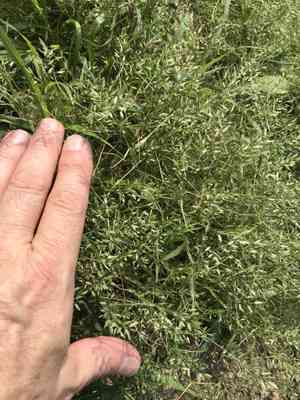
Eragrostis tephrosanthos (Eragrostis tephrosanthos)
Also known as: None
Eragrostis tephrosanthos is a hardy grass species that flourishes in sunlit areas like fields and roadsides. It features thin, erect stems and light, feathery seed heads that sway easily in the wind. The plant's fine, tufted leaves often exhibit a faint greyish tint, reflecting the often barren, ash-like soils where it grows. This grass is particularly well-suited to nutrient-poor soils, showcasing remarkable resilience under challenging environmental conditions.
In This Article
Attributes of Eragrostis tephrosanthos
Lifespan
Annual
Plant Type
Grass
Plant Height
30-60 cm
Spread
15-30 cm
Leaf Color
Green
Flower Size
Tiny, about 1-2 mm
Flower Color
Purplish or grey
Images of Eragrostis tephrosanthos
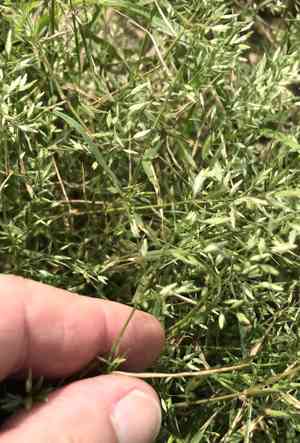


Quickly Identify Eragrostis tephrosanthos
1
The plant can be identified by its fine, feathery flower heads and slender, branching stems.
Scientific Classification of Eragrostis tephrosanthos
Phylum
Vascular plants
Class
Monocotyledons
Order
Poales
Family
Grass
Genus
Lovegrasses
Species
Eragrostis tephrosanthos
Planting and Growing of Eragrostis tephrosanthos
Care Difficulty
Moderate
Watering Schedule
Every 3 days
Sunlight Requirements
Full sun
Sunshine Duration
6-10 hours
Ideal Temperature
60-77℉
Soil Type
Potting Mix, Peat Mix
Soil pH
6.5-7.5
Fertilizer Type
Balanced
Pruning Season
Spring, Summer
Pruning Area
Branches, Leaves
Pruning Frequency
2 times a year
Repotting Season
Spring
Pot Type
Plastic, Ceramic
 How to Water Eragrostis tephrosanthos?
For Eragrostis tephrosanthos, it's crucial to maintain a balance between adequate moisture and avoiding waterlogging. Aim for about 200 ml per watering session, ensuring the soil remains damp without becoming soggy. This allows the roots to access both water and necessary oxygen, promoting optimal growth.
What are the symptoms of an underwatered Eragrostis tephrosanthos?
›
What should I do if my Eragrostis tephrosanthos is not getting enough water?
›
What are the symptoms of an overwatered Eragrostis tephrosanthos?
›
How to save an overwatered Eragrostis tephrosanthos?
›
 What Are the Sunlight Requirements for Eragrostis tephrosanthos?
Partial to full sunlight is ideal, promoting optimal energy absorption and photosynthesis, crucial for healthy growth and resilience.
How to Achieve Ideal Light
›
Specific Measures
›
Benefits of Ideal Lighting
›
 What Is the Ideal Temperature Range for Eragrostis tephrosanthos?
The ideal temperature range for Eragrostis tephrosanthos is between 60°F and 77°F. This range provides optimal conditions for growth and development, ensuring the plant receives sufficient warmth to facilitate photosynthesis and metabolic functions without causing heat stress.
 What Soil is Best for Eragrostis tephrosanthos?
Eragrostis tephrosanthos prefers soil that can retain moderate moisture. This helps the plant survive dry spells without suffering from drought stress. Proper moisture balance ensures lush growth and vibrant foliage. This plant thrives in soil rich in organic matter, which supplies essential nutrients required for optimal growth. Good nutrient availability results in healthier plants with vigorous growth and enhanced resilience to pests. Excellent drainage is crucial for preventing root rot in Eragrostis tephrosanthos. Well-drained soil ensures excess water doesn't stagnate, thereby protecting the plant roots and promoting healthy growth.
 How to Fertilize Eragrostis tephrosanthos?
For Eragrostis tephrosanthos, it is advised to use a balanced fertilizer with equal parts nitrogen, phosphorus, and potassium. For liquid fertilizers, dissolve 1 tablespoon per gallon of water. For slow-release fertilizers, apply 1 pound per 100 square feet.
 How to Prune Eragrostis tephrosanthos?
Start by cleaning your tools to prevent diseases. Cut back to one-third of its height, focusing on removing the oldest and tallest stems. Use sharp, clean shears to make clean cuts at a slight angle to encourage new growth. Always aim to cut just above a node to stimulate fresh shoots.
 How to Propagate Eragrostis tephrosanthos plant?
1
Fill the seed tray with a moistened potting mix, ensuring it's evenly distributed to provide a stable base for the seeds. Lightly press down the soil surface to remove any air pockets before sowing the seeds.
2
Sprinkle the Eragrostis tephrosanthos seeds evenly over the surface of the prepared soil. It's crucial to maintain even spacing to prevent overcrowding, which can hinder growth.
3
After sowing, gently mist the soil surface with water to settle the seeds. Cover the tray with a plastic cover or place it in a greenhouse to maintain humidity and warmth, which are favorable for germination.
 How to Repot Eragrostis tephrosanthos plant?
1
The ideal time to repot Eragrostis tephrosanthos is when you notice its roots rapidly outgrowing the current container or water drainage is inefficient, leading to root rot risks. Observing stunted growth despite favorable conditions can also indicate a need for repotting. This grass is best repotted during its active growing seasons of spring or summer for minimal stress impact.
2
Select a pot that is approximately 2 inches larger in diameter than the current one, featuring adequate drainage holes to prevent waterlogging. The extra size ensures the roots have enough space to expand, promoting vibrant growth. A terracotta pot can be an excellent choice as it helps regulate moisture, protecting your plant from overwatering.
3
Prepare a free-draining sandy soil mix, integrating components like perlite or coarse sand to boost drainage efficiency. This composition imitates the grass's native habitat, ensuring minimal water retention and optimal root aeration. Such a soil mixture decreases the chances of root rot while providing essential nutrients to support robust growth.



