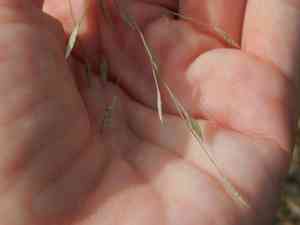
Field lovegrass (Eragrostis elliottii)
Also known as: Elliott's lovegrass
Bermuda grass, Kikuyu grass, and Bahia grass are excellent choices for livestock fodder and groundcover on oceanic islands. These hardy grasses are well-suited to coastal environments and provide reliable forage for animals while stabilizing the soil and preventing erosion.
In This Article
Attributes of Field lovegrass
Lifespan
Perennial
Plant Type
Grass
Plant Height
30-100 cm
Spread
Typically forms clumps with crown diameter of around 30-50 cm
Leaf Color
Green
Flower Size
Not applicable
Flower Color
Green to purple
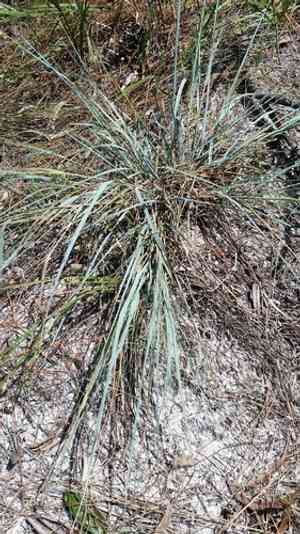
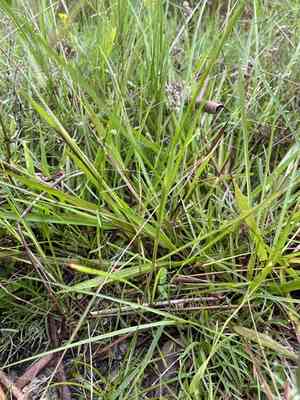
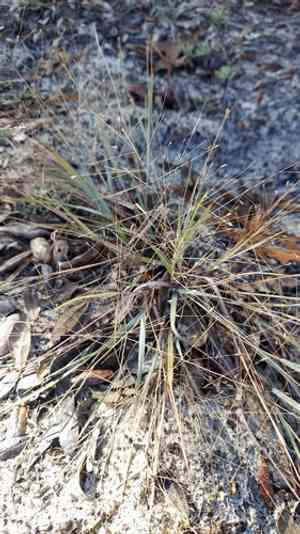
Images of Field lovegrass

Quickly Identify Field lovegrass
1
Elliott\'s lovegrass can be identified by its tufted growth habit, narrow leaves, and delicate, open panicles. The spikelets are generally small and numerous, giving the plant a fine-textured appearance.
Scientific Classification of Field lovegrass
Phylum
Vascular plants
Class
Monocotyledons
Order
Poales
Family
Grass
Genus
Lovegrasses
Species
Field lovegrass
Planting and Growing of Field lovegrass
Care Difficulty
Easy
Watering Schedule
Every 3 days
Sunlight Requirements
Full sun
Sunshine Duration
6-12 hours
Ideal Temperature
65-77℉
Soil Type
Potting Mix, Peat Mix
Soil pH
6.5-7.5
Fertilizer Type
Balanced
Pruning Season
Spring, Summer
Pruning Area
Branches, Leaves
Pruning Frequency
2 times a year
Repotting Season
Spring
Pot Type
Plastic, Ceramic
 How to Water Field lovegrass?
For Eragrostis elliottii, aim to water with about 300 ml each time, ensuring the soil is thoroughly moistened but not soggy. The key is to allow excess water to drain completely, preventing any standing water.
What are the symptoms of an underwatered Field lovegrass?
›
What should I do if my Field lovegrass is not getting enough water?
›
What are the symptoms of an overwatered Field lovegrass?
›
How to save an overwatered Field lovegrass?
›
 What Are the Sunlight Requirements for Field lovegrass?
Eragrostis elliottii favors full to partial sunlight. This exposure boosts photosynthesis, leading to healthy growth. Optimal light aids in metabolite production, intensifying foliage color and structural toughness.
What is the best lighting for Eragrostis elliottii?
›
How can I provide optimal sunlight for Eragrostis elliottii?
›
What are the benefits of providing ideal lighting for Eragrostis elliottii?
›
 What Is the Ideal Temperature Range for Field lovegrass?
For optimal growth, Eragrostis elliottii thrives best in a temperature range of 65 to 77°F. These conditions mimic its native habitat, promoting efficient photosynthesis and overall plant health.
 What Soil is Best for Field lovegrass?
Eragrostis elliottii benefits from soil that offers excellent drainage. This prevents water from pooling around the roots, which is crucial for preventing root rot and promoting healthy growth. Nutrient-rich soils help Eragrostis elliottii to develop robust root systems and foliage. Incorporating organic matter or compost into the soil can enhance its nutrient profile, ensuring vibrant plant growth. While Eragrostis elliottii doesn't demand overly fertile soil, moderate fertility is ideal to support consistent growth. Balance is key, as excessive fertility can lead to excessive leaf growth at the expense of flowering.
 How to Fertilize Field lovegrass?
Eragrostis elliottii responds well to moderate amounts of fertilizer. For liquid fertilizers, use a balanced 10-10-10 formula, mixing about half a teaspoon per gallon of water. When applying slow-release fertilizers, aim for about 1 to 2 pounds per 100 square feet of planting area to avoid overfeeding.
 How to Prune Field lovegrass?
During spring, cut back Eragrostis elliottii by one-third to stimulate fresh growth. This encourages denser foliage and a more aesthetically pleasing appearance. Be sure to prune just above a node or leaf joint to promote quick recovery. In summer, trim the outermost leaves to maintain a neat shape. This helps control plant size and ensures that Eragrostis elliottii fits well in landscaped areas, offering a well-groomed look to your garden design. After the blooming phase, summer pruning involves removing spent flower shoots. This neatens the plant, enhances its look, and redirects energy towards vital growth and strengthening the root system.
More About Pruning Techniques→
 How to Propagate Field lovegrass plant?
1
Begin by collecting seeds in spring. Sow them into a well-draining seed mix, keeping them moist but not waterlogged. Place the container in a sunny area until germination occurs, typically within two weeks.
2
In early summer, carefully dig up the parent plant. Use a sharp knife or spade to divide the root clump into smaller sections, ensuring each has roots attached. Replant immediately in prepared soil.
3
Prepare the soil by loosening it and mixing in compost to enhance drainage and nutrients. This preparation is critical for both seeds and divisions to establish successfully.
 How to Repot Field lovegrass plant?
1
Repot Eragrostis elliottii when you notice its roots starting to circle at the bottom, or if the plant appears to be stunted and not thriving as it should. Typically, this happens every two years, especially after the growing season when new growth becomes apparent. Pay attention to signs such as wilting or yellowing leaves as these may indicate an urgent need for repotting due to nutrient overload or soil compaction.
2
Select a pot that is one or two sizes larger than the current one, providing ample space for root expansion. Ensure the pot has sufficient drainage holes to prevent waterlogging, which can lead to root rot. A terracotta pot is often ideal as it allows excess moisture to evaporate, maintaining an appropriate balance of moisture for this hardy grass species.
3
Opt for a well-draining sandy soil mix to mimic the plant's natural habitat. This kind of soil reduces the risk of water accumulation around the roots, thus preventing rot. By retaining light moisture while allowing excess water to escape, the sandy mix ensures the roots do not suffocate and the plant remains healthy and vigorous.



