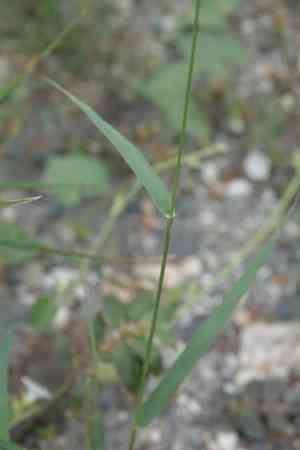
Gophertail lovegrass (Eragrostis ciliaris)
Also known as: Stinkgrass, Gummy Lovegrass
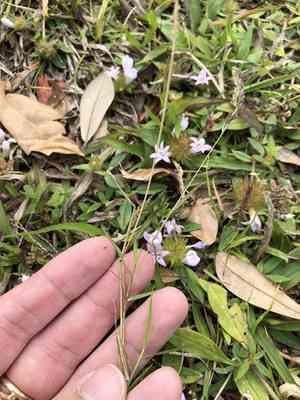
Gophertail lovegrass is a resilient warm-season grass that flourishes in sunny, well-drained areas. It is easily identified by its fine, hairy leaves and dense, spiked flower clusters that range from green to purple. This grass is well-suited to rocky or sandy soils and prospers under full sunlight, forming clumps that help it endure in challenging, open landscapes.
In This Article
Attributes of Gophertail lovegrass
Lifespan
Perennial
Plant Type
Grass
Plant Height
up to 30 cm
Spread
not applicable
Leaf Color
green
Flower Size
less than 1 cm
Flower Color
green to purplish
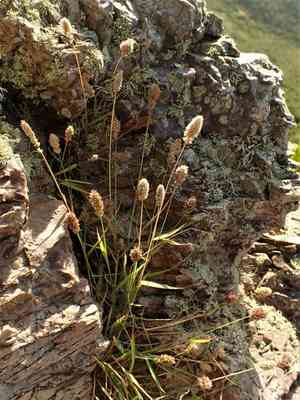
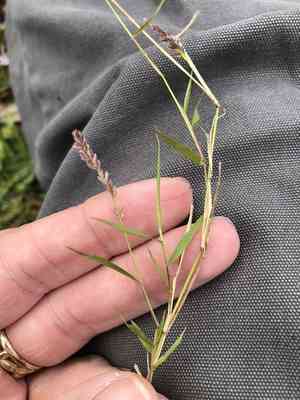
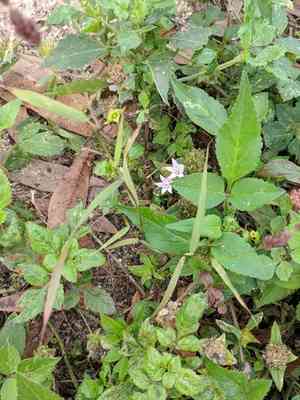
Images of Gophertail lovegrass
Quickly Identify Gophertail lovegrass
1
Eragrostis ciliaris can be identified by its small size, usually less than 30 cm tall, and its sticky flower heads. The leaves are narrow and linear, and the spikelets are small, each containing several florets. The plant tends to have a distinctive odor when crushed.
Scientific Classification of Gophertail lovegrass
Phylum
Vascular plants
Class
Monocotyledons
Order
Poales
Family
Grass
Genus
Lovegrasses
Species
Gophertail lovegrass
Planting and Growing of Gophertail lovegrass
Care Difficulty
Easy
Watering Schedule
Every 2 days
Sunlight Requirements
Full sun
Sunshine Duration
4-8 hours
Ideal Temperature
68-86℉
Soil Type
Potting Mix, Peat Mix
Soil pH
6.5-7.5
Fertilizer Type
Balanced
Pruning Season
Spring, Summer
Pruning Area
Branches, Leaves
Pruning Frequency
2 times a year
Repotting Season
Spring
Pot Type
Plastic, Terracotta
 How to Water Gophertail lovegrass?
Eragrostis ciliaris prefers light to moderate watering. Each watering session should provide about 150 ml of water, enough to moisten the soil without causing waterlogging. Look for the top layer of soil to dry out slightly before the next watering to avoid overwatering.
What are the symptoms of an underwatered Gophertail lovegrass?
›
What should I do if my Gophertail lovegrass is not getting enough water?
›
What are the symptoms of an overwatered Gophertail lovegrass?
›
How to save an overwatered Gophertail lovegrass?
›
 What Are the Sunlight Requirements for Gophertail lovegrass?
Eragrostis ciliaris prefers full sun to partial sun. Ideal light ensures photosynthesis efficiency, robust growth, and strong structural development, enhancing its resilience against environmental stress.
Optimal Growth Environment
›
Solution for Ideal Lighting
›
Beneficial Effects of Ideal Light
›
 What Is the Ideal Temperature Range for Gophertail lovegrass?
The ideal temperature range for Eragrostis ciliaris is between 68°F and 86°F. This plant thrives in warm conditions, typical of its native habitats, promoting optimal growth and vitality. Maintaining this temperature range ensures that the plant's physiological processes, such as photosynthesis and respiration, are operating efficiently.
 What Soil is Best for Gophertail lovegrass?
Eragrostis ciliaris thrives in well-draining soil conditions, which help prevent root rot by allowing excess water to move away quickly. This type of soil ensures that the plant's roots have access to necessary oxygen and nutrients, promoting healthy growth. This plant is remarkably tolerant of nutrient-poor soils, which means it can thrive without the need for soil amendments. It efficiently uses the available nutrients, making it a hardy choice for low-maintenance landscapes. Eragrostis ciliaris shows a preference for sandy soils, which tend to warm up quickly and retain less moisture, ideal for its growing needs. Sand also reduces the risk of compaction, aiding root penetration and nutrient uptake.
 How to Fertilize Gophertail lovegrass?
When it comes to fertilizing Eragrostis ciliaris, it's important to apply a balanced fertilizer at the right quantity. Use around 100-150 grams per square meter as a base guideline for granular fertilizer, ensuring that it is spread evenly over the soil surface.
 How to Prune Gophertail lovegrass?
At the start of the warm seasons like spring and early summer, you can cut back overgrown sections to about a third of their height. This stimulates new growth and helps the grass look lush and well-kept. Regularly trim away any flower stalks or seed heads if a tidy appearance is desired. This helps prevent reseeding and keeps the plant within desired dimensions.
More About Pruning Techniques→
 How to Propagate Gophertail lovegrass plant?
1
Collect seeds from mature Eragrostis ciliaris plants in late summer or early autumn. Ensure that seeds are dry and free from disease before storing them in a cool, dry place until sowing.
2
Sow seeds evenly in a seed tray filled with growing medium. Cover seeds lightly with soil and water gently to avoid displacing them. Keep the soil consistently moist until germination occurs.
3
Once seedlings have developed several true leaves, transplant them into individual pots or directly into the garden. Ensure that they are spaced to provide adequate airflow and sunlight.
 How to Repot Gophertail lovegrass plant?
1
Repotting Eragrostis ciliaris should occur when you notice roots growing out of the drainage holes, or if the plant seems top-heavy and unstable. These are signs that the plant has outgrown its current pot and needs more space to thrive. Spring and summer are ideal seasons as the plant is actively growing and will recover quickly from the repotting shock.
2
Opt for a pot that's only slightly larger than the current one—about 1-2 inches in diameter larger. A pot that’s too large can lead to overwatering issues, as the soil will retain moisture longer than necessary. Both clay and plastic pots are suitable, but clay pots offer better moisture wicking, which can be beneficial for preventing root rot in this plant.
3
Eragrostis ciliaris thrives in well-draining sandy soil. This type of soil mimics its natural environment and helps prevent overwatering by ensuring excess water drains away quickly. Incorporating some organic matter will further enhance soil quality, providing nutrients while maintaining proper drainage.



