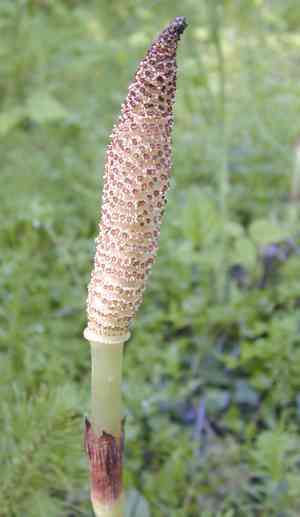
Horsetails (Equisetum) (Equisetum)
Also known as: Snake grasses
Horsetails comprise a genus of rushlike, jointed perennial herbs. The leaves of many species do not perform photosynthesis and are reduced to sheaths that encircle and clasp the main stem. Horsetails are the only surviving plants in the Equisetopsida family, which was a dominant family of plants in the times of the dinosaurs.
In This Article
Attributes of Horsetails (Equisetum)
Lifespan
Perennial
Plant Height
40 cm to 1.5 m
Spread
N/A since horsetails do not have a traditional \'crown\' as trees do
Leaf Color
N/A; they have stem sheaths instead of leaves
Flower Size
N/A; Equisetum does not flower
Flower Color
N/A
Images of Horsetails (Equisetum)
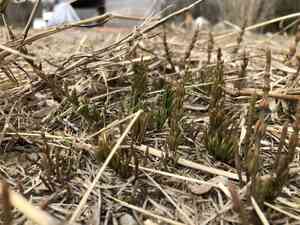
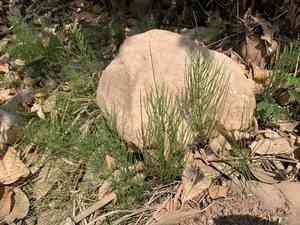
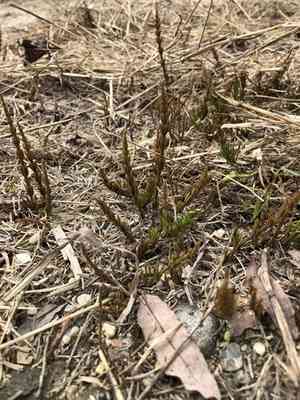
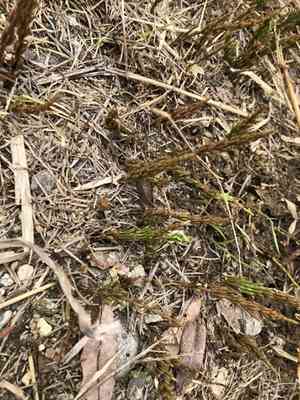
Quickly Identify Horsetails (Equisetum)
1
Identify Equisetum by its hollow, jointed stems, which are rough to the touch due to high silica content. The stems are often green and can be ribbed, and the plant lacks true leaves and flowers.
Scientific Classification of Horsetails (Equisetum)
Phylum
Pteridophyta
Class
Equisetopsida
Order
Equisetales
Family
Equisetaceae
Genus
Equisetum
Planting and Growing of Horsetails (Equisetum)
Care Difficulty
Easy
Watering Schedule
Every 2 days
Sunlight Requirements
Partial sun
Sunshine Duration
4-8 hours
Ideal Temperature
60-75℉
Soil Type
Potting Mix, Peat Mix
Soil pH
6.5-7.5
Fertilizer Type
Balanced
Pruning Season
Spring, Summer
Pruning Area
Branches, Leaves
Pruning Frequency
2 times a year
Repotting Season
Spring
Pot Type
Plastic, Ceramic
 How to Water Horsetails (Equisetum)?
For Equisetum, it's essential to maintain the soil consistently moist, but not waterlogged. Water until you see slight drainage from the bottom of the pot, indicating the water has penetrated to the roots.
What are the symptoms of an underwatered Horsetails (Equisetum)?
›
What should I do if my Horsetails (Equisetum) is not getting enough water?
›
What are the symptoms of an overwatered Horsetails (Equisetum)?
›
How to save an overwatered Horsetails (Equisetum)?
›
 What Are the Sunlight Requirements for Horsetails (Equisetum)?
Partial sun to full sun promotes healthy growth and robust stem development in Equisetum. Such exposure ensures nutrient production and prevents overall plant stress.
What is the ideal lighting condition?
›
How can this lighting be achieved?
›
What benefits come from ideal lighting?
›
 What Is the Ideal Temperature Range for Horsetails (Equisetum)?
Equisetum, commonly known as horsetail, thrives best at temperatures between 60°F and 75°F. This range provides optimal conditions for photosynthesis and metabolic processes, ensuring robust growth and a healthy plant. Maintaining this temperature range is crucial for preventing stress and supporting vigorous plant development.
 What Soil is Best for Horsetails (Equisetum)?
Equisetum thrives in soil types with excellent moisture retention, like loam and clay. This condition mimics their natural wetland habitats and supports robust growth by preventing excessive water loss. Rich nutrient availability is critical for Equisetum, which makes loamy soils ideal. These soils provide a balanced supply of essential nutrients, ensuring healthy plant development and vibrant green foliage. Good aeration is essential for Equisetum, as it helps maintain healthy root systems and prevents root rot. Loamy soil, with its perfect balance of sand and clay, promotes air circulation while retaining moisture.
 How to Fertilize Horsetails (Equisetum)?
Equisetum prefers a modest amount of fertilizer, requiring light feeding. Apply a small amount, such as 1/4 strength of a typical balanced liquid fertilizer (10-10-10), to avoid nutrient burn. Ensuring the soil is well-drained helps prevent nutrient build-up.
 How to Prune Horsetails (Equisetum)?
When working with Equisetum, remember that its silica-laden stems can be abrasive. Wear gloves and eye protection to prevent any irritation or injury to your skin and eyes. Given Equisetum's invasive nature, immediately dispose of or compost any pruned material to prevent uncontrolled spreading or regrowth.
 How to Propagate Horsetails (Equisetum) plant?
1
Carefully dig up the Equisetum plant and gently separate the root ball. Use a sharp spade to divide the plant into sections, ensuring each section has a healthy root system and foliage for successful establishment.
2
In tissue culture propagation, prepare a sterile and nutrient-rich medium. Make sure to balance the pH and include necessary growth hormones to encourage the development of new plantlets.
3
After division, plant each section into an appropriate container or ground with well-draining soil. Ensure that the rhizomes are placed at the correct depth and water immediately to promote root growth.
 How to Repot Horsetails (Equisetum) plant?
1
Equisetum typically needs repotting when its roots become pot-bound and the plant shows signs of stunted growth. Spring or early summer is ideal, as the plant naturally enters a growth phase, but monitor your plant for crowded roots or declining health as key signals.
2
Select a container slightly larger than the current pot to give roots room to spread. A pot that provides good drainage is crucial, preventing waterlogging which can damage Equisetum’s roots. Opting for a porous material like terracotta can enhance breathability for the root system.
3
Opt for a sandy, well-draining soil to mimic Equisetum’s natural habitat. Such soil ensures adequate drainage, prevents water retention, and reduces root rot risks, offering a solid foundation for healthy growth.
Toxicity
Ingestion
WARNING
The judgment on toxicity and danger is for reference only. We DO NOT GUARANTEE any accuracy of such judgment. Therefore, you SHALL NOT rely on such judgment. It is IMPORTANT TO SEEK PROFESSIONAL ADVICE in advance when necessary.

