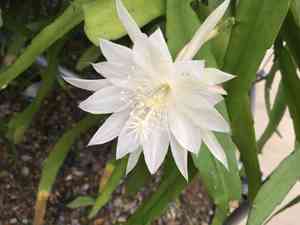
Epiphyllum phyllanthus (Epiphyllum phyllanthus)
Also known as: Climbing Cactus, Leaf Cactus
Epiphyllum phyllanthus, often referred to as the climbing cactus, is a type of cacti that grows on trees. This unique species does not possess any leaves but instead, carries stems that carry out the process of photosynthesis. It is believed to be pollinated by hawkmoths, due to the fact that its flowers bloom exclusively at nighttime and emit a potent scent. This particular cactus is commonly found growing within the cavities of the tree known as Platypodium elegans, marking it as the most prevalent epiphyte on this type of tree.
In This Article
Attributes of Epiphyllum phyllanthus
Lifespan
Epiphyllum phyllanthus is a perennial plant
Plant Height
3 to 10 feet
Spread
3 to 6 feet
Leaf Color
Green
Flower Size
10-12 cm
Flower Color
White
Images of Epiphyllum phyllanthus
Quickly Identify Epiphyllum phyllanthus
1
Look out for unusual cacti with wide, flat, flexible leaves instead of spines, and large, nocturnal, fragrant white flowers.
Scientific Classification of Epiphyllum phyllanthus
Phylum
Tracheophyta
Class
Magnoliopsida
Order
Caryophyllales
Family
Cactaceae
Genus
Epiphyllum
Species
E. phyllanthus
Planting and Growing of Epiphyllum phyllanthus
Care Difficulty
Easy
Watering Schedule
Every 2 days
Sunlight Requirements
Partial sun
Sunshine Duration
6-10 hours
Ideal Temperature
65-75℉
Soil Type
Potting Mix, Peat Mix
Soil pH
6.5-7.5
Fertilizer Type
Balanced
Pruning Season
Spring, Summer
Pruning Area
Branches, Leaves
Pruning Frequency
2 times a year
Repotting Season
Spring
Pot Type
Plastic, Terracotta
 How to Water Epiphyllum phyllanthus?
For Epiphyllum phyllanthus, water should be moderate; about 200 ml per session will ensure the roots have enough moisture without being waterlogged. Always check that the top 2 inches of soil are dry before watering again.
What are the symptoms of an underwatered Epiphyllum phyllanthus?
›
What should I do if my Epiphyllum phyllanthus is not getting enough water?
›
What are the symptoms of an overwatered Epiphyllum phyllanthus?
›
How to save an overwatered Epiphyllum phyllanthus?
›
 What Are the Sunlight Requirements for Epiphyllum phyllanthus?
For Epiphyllum phyllanthus, the ideal range includes partial to full shade conditions. This ensures balanced growth, preventing stress associated with light extremes, fostering vibrant flowers and healthy foliage.
What is the ideal lighting for Epiphyllum phyllanthus?
›
How can you ensure ideal light exposure indoors?
›
What benefits does the plant obtain from ideal lighting?
›
 What Is the Ideal Temperature Range for Epiphyllum phyllanthus?
For optimal growth, Epiphyllum phyllanthus thrives best in temperatures ranging from 65°F to 75°F. Maintaining this temperature range encourages healthy growth and flowering. These temperatures closely mimic their native tropical environments, ensuring the plant remains vigorous and healthy over time.
 What Soil is Best for Epiphyllum phyllanthus?
Epiphyllum phyllanthus thrives best in well-drained soil, which prevents water from accumulating around the roots. This ensures root aeration, preventing rot and promoting healthy growth. The plant benefits from soil enriched with organic material, providing essential nutrients for growth. Such a medium supports the robust development of fleshy stems and vibrant flowers. While the soil should retain moisture, it should not be soggy, ensuring good balance. This supports the plant's humidity needs without risking root decay.
 How to Fertilize Epiphyllum phyllanthus?
For Epiphyllum phyllanthus, it's crucial to apply the right amount of fertilizer. During the growing season, use a diluted solution, about half the recommended strength on the package. It's essential not to over-fertilize as it can damage the roots or cause excessive growth.
 How to Prune Epiphyllum phyllanthus?
Use sharp, sterilized scissors or pruning shears for cutting. Sterilizing your tools prevents the spread of disease. Ensure your tools are sharp for clean cuts, as jagged edges can harm the plant. Look for yellowing, wilted, or dead segments on the plant. Also, identify branches that seem overly crowded or crossing each other. Removing these segments will promote better airflow and sunlight penetration. Carefully cut the identified segments close to the base without damaging the main stem. For overcrowded areas, trim selectively to allow even space between branches, encouraging balanced growth. After pruning, consider moving your Epiphyllum phyllanthus to a spot with bright but indirect sunlight. Avoid watering immediately after pruning, as this can increase the risk of root rot.
 How to Propagate Epiphyllum phyllanthus plant?
1
Choose a mature, healthy stem from the mother plant that is about 6-8 inches long. Ensure that it is pest-free and displays no signs of disease to increase the likelihood of successful propagation.
2
Use the sterilized pruning shears to make a clean cut at a 45-degree angle. This type of cut provides a larger surface area for rooting and is less likely to promote disease than a straight cut.
3
Before planting the cutting, let it dry and form a callus over the cut end. Place it in a dry, shaded area for approximately a week. This step is crucial as it helps to prevent rot once planted.
 How to Repot Epiphyllum phyllanthus plant?
1
Repotting of Epiphyllum phyllanthus is best done when you notice the plant's growth has stagnated, roots begin to circle the pot, or they are visibly protruding through the drainage holes. These are clear signs that the plant has outgrown its current home, and it’s time to provide a more spacious environment.
2
Choose a pot with adequate drainage holes to prevent water logging. Opt for a pot that is only slightly larger than the current one, as Epiphyllum phyllanthus prefers a somewhat snug environment for optimal growth. A pot that is too large might cause the soil to retain excess moisture, which could harm the roots.
3
A well-draining cactus or orchid potting mix is ideal for Epiphyllum phyllanthus. This type of soil ensures good aeration and prevents water accumulation, which helps to mimic the plant's natural epiphytic environment. Utilizing the right soil mix aids in promoting healthy root development and reduces the risk of root rot.
Toxicity
N/A
WARNING
The judgment on toxicity and danger is for reference only. We DO NOT GUARANTEE any accuracy of such judgment. Therefore, you SHALL NOT rely on such judgment. It is IMPORTANT TO SEEK PROFESSIONAL ADVICE in advance when necessary.

