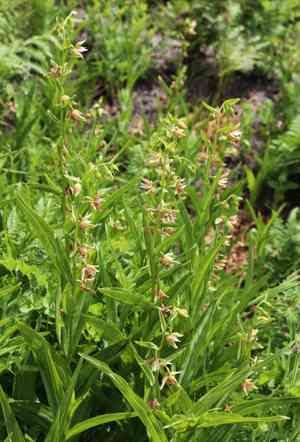
Stream orchid (Epipactis gigantea)
Also known as: Giant helleborine
The stream orchid (Epipactis gigantea), also known as giant helleborine or chatterbox, is a prevalent orchid along the Pacific coast of North America, ranging from British Columbia to Mexico. This orchid thrives at higher elevations and is often cultivated for ornamental purposes.
In This Article
Attributes of Stream orchid
Lifespan
Perennial
Plant Type
Herb
Plant Height
30 cm to 89 cm
Spread
1.5 m
Leaf Color
Green
Flower Size
3.5 cm to 6 cm
Flower Color
Yellow Green Red Brown Pink Purple
Images of Stream orchid
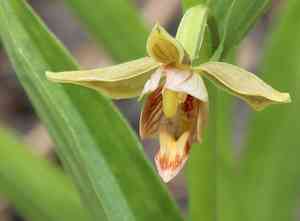
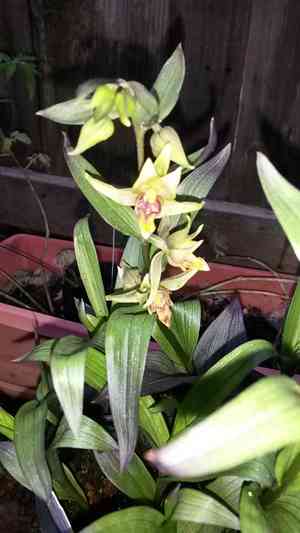
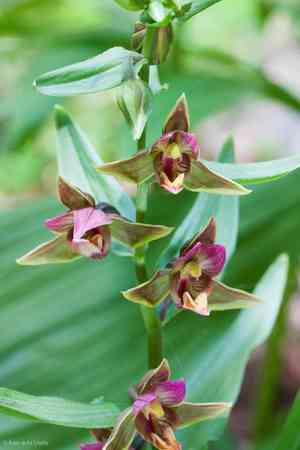
Quickly Identify Stream orchid
1
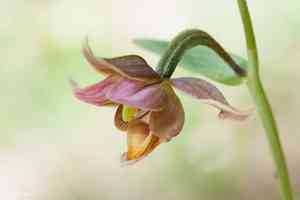
Epipactis gigantea can be identified by its tall, leafy stems and clusters of striking flowers with a copper-orange or reddish-brown hue. Look for its preferred wet habitats and distinctive, column-like lip in the flower structure.
Scientific Classification of Stream orchid
Phylum
Vascular plants
Class
Monocotyledons
Order
Asparagus and allies
Family
Orchid
Genus
Helleborines
Species
Stream orchid
Planting and Growing of Stream orchid
Care Difficulty
Moderate
Watering Schedule
Every 4 days
Sunlight Requirements
Partial sun
Sunshine Duration
6-10 hours
Ideal Temperature
65-75℉
Soil Type
Potting Mix, Peat Mix
Soil pH
6.5-7.5
Fertilizer Type
Balanced
Pruning Season
Spring, Summer
Pruning Area
Branches, Leaves
Pruning Frequency
2 times a year
Repotting Season
Spring
Pot Type
Ceramic, Plastic
 How to Water Stream orchid?
Epipactis gigantea, commonly known as the Stream Orchid, thrives in moist environments. Ensure the soil is evenly moist, but not waterlogged. When watering, aim for around 250 milliliters, making sure the excess water drains away. This balance prevents the roots from drowning while providing the necessary moisture for growth.
What are the symptoms of an underwatered Stream orchid?
›
What should I do if my Stream orchid is not getting enough water?
›
What are the symptoms of an overwatered Stream orchid?
›
How to save an overwatered Stream orchid?
›
 What Are the Sunlight Requirements for Stream orchid?
Partial sun is ideal for Epipactis gigantea, which involves 4-6 hours of sunlight each day. This range allows the plant to perform photosynthesis efficiently while avoiding the risks associated with overexposure or underexposure.
More About Sunlight Requirements Techniques→
Ideal Lighting Conditions
›
Solution for Optimal Sun Exposure
›
Benefits of Optimal Lighting
›
 What Is the Ideal Temperature Range for Stream orchid?
Epipactis gigantea thrives best in temperatures ranging from 65°F to 75°F. This temperature range provides the optimal environment for photosynthesis and other metabolic processes, ensuring healthy growth and vibrant blooms.
 What Soil is Best for Stream orchid?
Epipactis gigantea thrives best in moist, well-drained soil that's capable of retaining some moisture. This ensures that the roots stay hydrated, especially during hot and dry conditions, promoting robust growth and flowering. While moisture is important, the soil must also drain well to prevent waterlogging, which can lead to root rot. An ideal mix prevents standing water while maintaining the necessary hydration levels for the plant. Ample organic matter in the soil is beneficial. This not only provides the necessary nutrients to support growth but enhances the soil structure, promoting healthier root development and increasing plant vigor.
 How to Fertilize Stream orchid?
For Epipactis gigantea, fertilization should be moderate. Use a diluted liquid fertilizer (1/4 of the recommended strength) applied to the base, avoiding direct contact with leaves or stems to prevent burning.
 How to Prune Stream orchid?
Always use sharp, clean gardening tools to prune Epipactis gigantea. This prevents the transmission of diseases and ensures clean cuts, which heal faster and reduce stress on the plant. Identify and carefully remove any dead or yellowing leaves. This allows for better air circulation and prevents potential pest infestations, keeping the plant healthier.
More About Pruning Techniques→
 How to Propagate Stream orchid plant?
1
Collect seeds from mature Epipactis gigantea plants. Dry them thoroughly and store them in a cool, dry place until ready for planting. Ensure that the seeds are clean and free from any debris.
2
Prepare a well-draining soil mix suitable for epiphytic orchids. Include components like bark, perlite, and peat moss to ensure adequate aeration and moisture retention. A sterilized potting mix can prevent fungal infections.
3
Sow the seeds in a seed tray filled with the prepared soil mix. Ensure that they are evenly spread and gently pressed into the soil surface. Water lightly and cover with a plastic lid to maintain humidity.
 How to Repot Stream orchid plant?
1
Epipactis gigantea should be repotted when its roots start to outgrow the current pot and begin circling it. This usually appears as the plant bulks up and the soil becomes compacted, hindering root growth. Check for signs every 2-3 years during its dormant season.
2
Select a pot that is one size larger than the current one with ample drainage holes. A shallow pot is preferable as it accommodates the plant’s naturally spreading root system, minimizing overwatering risk and promoting healthy growth.
3
Opt for a well-draining loamy mix supplemented with organic matter. This blend offers the perfect balance of moisture retention and aeration, which prevents root rot and encourages robust root development, essential for healthy plant growth.
Learn More About Stream orchid Diseases
Anthracnose
Bacterial Leaf Spot
Bacterial Soft Rot
Bacterial Wilt
Black Spot
Chemical Injury
Crown Gall
Cyst Nematode
Damping-off
Downy Mildew
Drought Stress
Fusarium Wilt
Gray Mold
Leaf Curl
Leaf Spot
Mosaic
Nutrient Deficiency
Nutrient Toxicity
Powdery Mildew
Root Rot
Root-knot Nematode
Rusts
Sooty Mold
Spider Mites
Temperature Stress
Thrips Damage
White Mold



