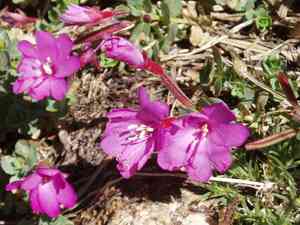
Rockfringe willowherb (Epilobium obcordatum)
Also known as: Rock Fringe
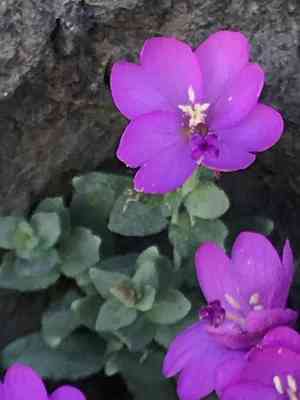
Epilobium obcordatum, a perennial plant, features stems adorned with oval to rounded leaves that either spread flat or slightly ascend. The flowers, positioned at the ends of the slender stems, each consist of four petals. These petals are magenta to purple in color, rounded, and typically notched, often forming a distinctive heart shape.
In This Article
Attributes of Rockfringe willowherb
Lifespan
Perennial
Plant Type
Herb
Plant Height
5 cm to 15 cm
Spread
6-12 inches
Leaf Color
Green
Flower Size
0.5-1 inches
Flower Color
Pink to purplish
Images of Rockfringe willowherb
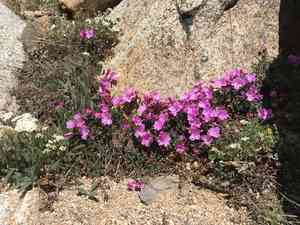
Quickly Identify Rockfringe willowherb
1
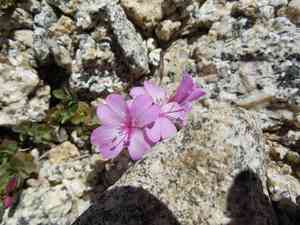
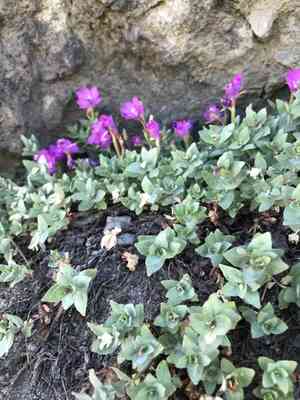
This plant can be identified by its heart-shaped leaves and vibrant pink to purplish flowers. It typically grows in rocky alpine and subalpine environments.
Scientific Classification of Rockfringe willowherb
Phylum
Vascular plants
Class
Dicotyledons
Order
Myrtales
Family
Evening primrose
Genus
Willowherbs
Species
Rockfringe willowherb
Planting and Growing of Rockfringe willowherb
Care Difficulty
Easy
Watering Schedule
Every 3 days
Sunlight Requirements
Full sun
Sunshine Duration
6-10 hours
Ideal Temperature
60-75℉
Soil Type
Potting Mix, Peat Mix
Soil pH
6.5-7.5
Fertilizer Type
Balanced
Pruning Season
Spring, Summer
Pruning Area
Branches, Leaves
Pruning Frequency
2 times a year
Repotting Season
Spring
Pot Type
Plastic, Ceramic
 How to Water Rockfringe willowherb?
The amount of water Epilobium obcordatum requires depends on soil moisture. Typically, 250 ml per session suffices, ensuring the soil is evenly moist, but not saturated. It's important to let the soil's surface dry between waterings, promoting air circulation among the roots. This prevents root rot and other moisture-related issues.
What are the symptoms of an underwatered Rockfringe willowherb?
›
What should I do if my Rockfringe willowherb is not getting enough water?
›
What are the symptoms of an overwatered Rockfringe willowherb?
›
How to save an overwatered Rockfringe willowherb?
›
 What Are the Sunlight Requirements for Rockfringe willowherb?
Epilobium obcordatum performs best with partial to full sun, supporting photosynthetic processes crucial for its growth. Appropriate light levels enhance bloom production and leaf health, ensuring a robust and appealing plant presentation.
How much sunlight does Epilobium obcordatum need?
›
What are the solutions for achieving ideal lighting?
›
What are the benefits of ideal lighting?
›
 What Is the Ideal Temperature Range for Rockfringe willowherb?
The ideal temperature range for Epilobium obcordatum is between 60°F and 75°F. This range ensures optimal growth and blossoming, allowing the plant to maintain its health and vigor. Consistent temperatures within this range promote robust root development and increase resistance to pests and diseases.
 What Soil is Best for Rockfringe willowherb?
Epilobium obcordatum thrives in well-draining soil, which prevents water from pooling around the roots, reducing the risk of root rot. This soil type ensures that the plant can efficiently take up nutrients and water, promoting healthy growth. Having a nutrient-rich substrate is essential for the healthy development of Epilobium obcordatum. Soil that contains organic matter provides essential nutrients that contribute to the robust growth and vibrant flowering of the plant. Preferring slightly acidic to neutral soil, Epilobium obcordatum benefits from a pH range of 6.5 to 7.5. This pH level ensures optimal nutrient availability and helps maintain balanced soil ecology, aiding the plant's overall health.
 How to Fertilize Rockfringe willowherb?
For Epilobium obcordatum, it's essential to apply a balanced 10-10-10 liquid fertilizer, diluted to half strength. Use approximately 100 ml of this diluted solution per plant. This small amount prevents nutrient buildup, which could harm these delicate mountain dwellers.
 How to Prune Rockfringe willowherb?
First, thoroughly inspect the plant and locate any dead, diseased, or damaged branches. These should be removed completely to prevent any diseases from spreading and to improve the plant's overall health. Shape the plant by trimming excess growth, focusing on stems that disrupt the desired aesthetic. Be sure to thin out densely packed areas to enhance light penetration and air circulation, which will reduce the risk of mildew. After pruning, water the plant adequately and apply a balanced fertilizer to support its recovery and encourage robust new growth. Monitor for any signs of stress or disease following pruning.
More About Pruning Techniques→
 How to Propagate Rockfringe willowherb plant?
1
Collect mature seeds from the plant's seed pods. Dry them completely before storing them in a cool, dark place until planting. Prepare a seed tray with a light seed-starting mix for sowing.
2
Select a healthy piece of stem from the parent plant. Cut a 4-6 inch section just below a node. Remove the lower leaves and dip the cut end in rooting hormone to enhance rooting.
3
Carefully dig out the plant and gently tease apart the roots to create divisions. Each section should have a healthy root system. Replant them immediately in prepared soil.
 How to Repot Rockfringe willowherb plant?
1
Repotting this plant should be done in early spring before new growth begins. Look for signs like overcrowded roots protruding from the pot or a decrease in blooming. These are indicators that the plant has outgrown its current container and is ready for more space to flourish.
2
Select a pot with adequate drainage holes to prevent waterlogging, which can lead to root rot. Opting for a size just slightly larger than the current pot encourages healthy root growth. This prevents excessive soil retaining water, which is crucial for Epilobium obcordatum, as it prefers well-drained conditions.
3
Use a well-draining sandy soil mix tailored for perennials. This type of soil prevents water retention, ensuring roots don't sit in moisture, which can lead to rot. Good drainage is vital for mimicking the plant's native rocky habitat where it thrives naturally.
Learn More About Rockfringe willowherb Diseases
Anthracnose
Bacterial Leaf Spot
Bacterial Wilt
Crown Gall
Cyst Nematode
Damping-off
Downy Mildew
Drought Stress
Fusarium Wilt
Gray Mold
Leaf Curl
Leaf Spot
Mosaic
Nutrient Deficiency
Nutrient Toxicity
Powdery Mildew
Root Rot
Root-knot Nematode
Rusts
Sooty Mold
Spider Mites
Temperature Stress
Thrips Damage
White Mold
Chemical Injury



