
Denseflower willowherb (Epilobium densiflorum)
Also known as: Dense Spike-primrose
Denseflower willowherb (Epilobium densiflorum) is characterized by its tall, slender stature and dense clusters of small pink to purple flowers that adorn the tops of its stems. The plant features narrow, lance-shaped leaves arranged symmetrically, which are well-suited for moist habitats such as streambanks. Its rapid colonization of open areas highlights its role in ecological succession, allowing it to quickly establish and thrive in disturbed soils.
In This Article
Attributes of Denseflower willowherb
Lifespan
Perennial
Plant Type
Herb
Plant Height
15 cm to 1.02 m
Spread
N/A – this plant typically does not form a broad crown.
Leaf Color
Green
Flower Size
1-1.5 cm
Flower Color
White to pale pink
Images of Denseflower willowherb
Quickly Identify Denseflower willowherb
1
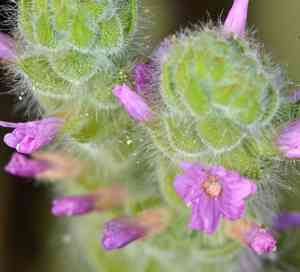
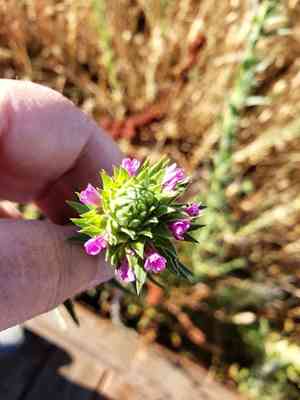
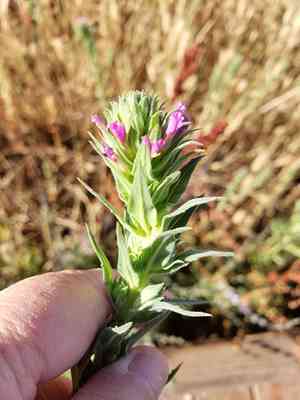
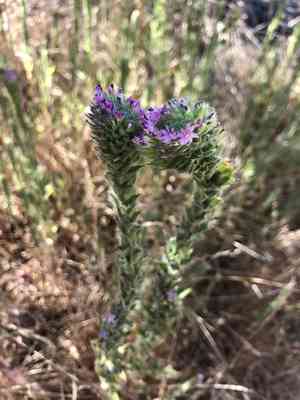
Epilobium densiflorum can be identified by its erect stems, which are often reddish to purplish in color, and densely packed with small, tubular flowers that are typically white or pale pink.
Scientific Classification of Denseflower willowherb
Phylum
Vascular plants
Class
Dicotyledons
Order
Myrtales
Family
Evening primrose
Genus
Willowherbs
Species
Denseflower willowherb
Planting and Growing of Denseflower willowherb
Care Difficulty
Easy
Watering Schedule
Every 4 days
Sunlight Requirements
Full sun
Sunshine Duration
6-10 hours
Ideal Temperature
60-75℉
Soil Type
Potting Mix, Peat Mix
Soil pH
6.5-7.5
Fertilizer Type
Balanced
Pruning Season
Spring, Summer
Pruning Area
Branches, Leaves
Pruning Frequency
2 times a year
Repotting Season
Spring
Pot Type
Terracotta, Plastic
 How to Water Denseflower willowherb?
For Epilobium densiflorum, ensuring the soil remains moist but not waterlogged is key. Aim to water with about 250 milliliters, allowing the top 2-3 centimeters of soil to dry out between waterings. This helps maintain a balance between hydration and root health.
What are the symptoms of an underwatered Denseflower willowherb?
›
What should I do if my Denseflower willowherb is not getting enough water?
›
What are the symptoms of an overwatered Denseflower willowherb?
›
How to save an overwatered Denseflower willowherb?
›
 What Are the Sunlight Requirements for Denseflower willowherb?
Epilobium densiflorum thrives in areas receiving full sun to partial sun. Ample sunlight ensures robust flowering and growth, enhancing its resilience and aesthetic contribution to gardens. This results in a healthier, more vibrant plant display.
What type of sunlight is ideal for Epilobium densiflorum?
›
How can I adjust my garden to provide the ideal light?
›
What benefits does Epilobium densiflorum gain from ideal light?
›
 What Is the Ideal Temperature Range for Denseflower willowherb?
The ideal temperature range for growing Epilobium densiflorum is between 60°F and 75°F. This moderately warm range promotes optimal photosynthesis and healthy plant development. Within this temperature range, the plant will exhibit robust growth and vibrant flowering, provided other conditions such as soil and water are adequate.
 What Soil is Best for Denseflower willowherb?
Epilobium densiflorum thrives in well-drained soil which prevents waterlogging around its roots. This is crucial for preventing root rot and ensuring healthy plant growth. This plant benefits from soils with moderate nutrient levels. While rich soils can promote excessive foliage, moderate nutrients keep the balance between growth and flowering. The ideal soil pH for Epilobium densiflorum is between 6.5 to 7.5. This range allows optimal nutrient uptake, promoting vibrant growth and blooming.
 How to Fertilize Denseflower willowherb?
Apply a balanced fertilizer that is low in phosphorus, like a 14-0-14 N-P-K mix, using a concentration of 1 teaspoon per gallon of water for liquid fertilizers. For solid fertilizers, use around 1/2 cup per plant at the start of the growing season.
 How to Prune Denseflower willowherb?
To prune Epilobium densiflorum, begin by removing any dead or diseased stems. Use sharp, clean pruning shears to cut the stems back to healthy growth nodes. This helps in encouraging new shoots. Trim back the plant by about one-third to maintain its shape and promote a more compact growth. Be sure to clean up any fallen leaves or debris around the base to prevent disease.
More About Pruning Techniques→
 How to Propagate Denseflower willowherb plant?
1
Sow the seeds in seed trays filled with potting mix. Lightly press the seeds into the soil without burying them, as they need light to germinate. Mist the surface gently to avoid displacing the seeds.
2
Place the trays in a warm, bright location. Ideal temperatures for germination are around 18-22°C (64-72°F). Ensure the moisture levels remain consistent by covering the trays with a plastic dome or using a humidity tent.
3
Once seedlings have developed a few sets of true leaves, they can be transplanted into individual pots. Choose pots that are slightly larger and use the same potting mix. Handle seedlings gently to avoid damage to the roots and stems.
 How to Repot Denseflower willowherb plant?
1
You should consider repotting Epilobium densiflorum when you notice the roots crowding at the drainage holes or if growth appears stunted. Also, if water runs straight through the pot and it’s been over a year, it's time for a change. These are strong indicators that your plant is craving more space.
2
Choose a pot that is one size larger with good drainage holes. This ensures the roots have enough space to grow and prevents waterlogged soil that could lead to root rot. A clay pot can also be beneficial as it allows water to evaporate, keeping the roots drier.
3
Select a well-draining loamy soil that offers both moisture retention and aeration. This type of soil ensures that the roots receive adequate oxygen while maintaining essential moisture, preventing the risks associated with overwatering or water deficiency.



