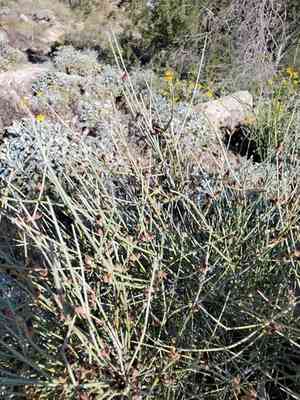
Joint-pines (Ephedra) (Ephedra)
Also known as: Mormon-teas, Brigham teas
Joint-pines, found in many parts of the Northern Hemisphere and South America, are slender, drought-resistant shrubs. Their resilience to dry conditions makes them suitable for rock gardens or as border plants. However, it's important to note that some species may be toxic to dogs.
In This Article
Attributes of Joint-pines (Ephedra)
Lifespan
Perennial
Plant Height
Typically 1 to 4 feet
Spread
Up to 3 feet
Leaf Color
Gray-green to green
Flower Size
Very small, less than half an inch
Flower Color
Yellow-green
Images of Joint-pines (Ephedra)
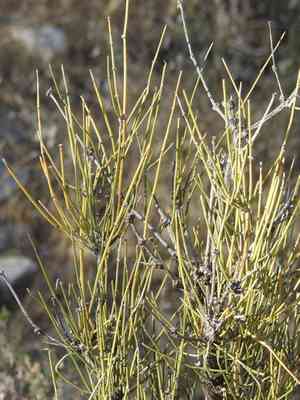
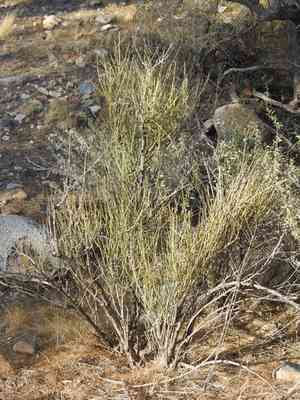
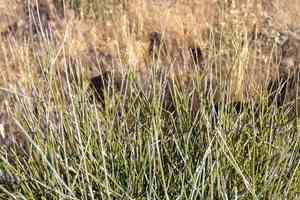
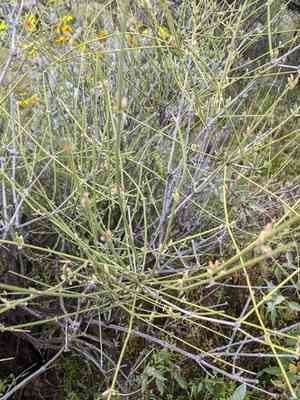
Quickly Identify Joint-pines (Ephedra)
1
Ephedra plants are recognized by their green, pencil-thin stems with tiny scale-like leaves. The plants often have a tangled, bush-like appearance. When identifying, look for jointed stems and reduced leaves.
Scientific Classification of Joint-pines (Ephedra)
Phylum
Gnetophyta
Class
Gnetopsida
Order
Ephedrales
Family
Ephedraceae
Genus
Ephedra
Planting and Growing of Joint-pines (Ephedra)
Care Difficulty
Moderate
Watering Schedule
Every 2 days
Sunlight Requirements
Full sun
Sunshine Duration
6-10 hours
Ideal Temperature
60-77℉
Soil Type
Potting Mix, Peat Mix
Soil pH
6.5-8
Fertilizer Type
Balanced
Pruning Season
Spring, Summer
Pruning Area
Branches, Leaves
Pruning Frequency
2 times a year
Repotting Season
Spring
Pot Type
Plastic, Ceramic
 How to Water Joint-pines (Ephedra)?
Ephedra prefers its soil to dry out between waterings. Typically, 200 ml of water per session is sufficient. Ensure that the soil remains only slightly moist to mimic its natural arid environment.
What are the symptoms of an underwatered Joint-pines (Ephedra)?
›
What should I do if my Joint-pines (Ephedra) is not getting enough water?
›
What are the symptoms of an overwatered Joint-pines (Ephedra)?
›
How to save an overwatered Joint-pines (Ephedra)?
›
 What Are the Sunlight Requirements for Joint-pines (Ephedra)?
Ideal light for Ephedra involves partial to full sun exposure. Such conditions enable efficient photosynthesis and energy synthesis which supports healthy plant development and reduces disease vulnerability.
What is the best type of sunlight for Ephedra?
›
How can you ensure Ephedra receives the ideal amount of sunlight?
›
What are the benefits of providing Ephedra with ideal sunlight exposure?
›
 What Is the Ideal Temperature Range for Joint-pines (Ephedra)?
The ideal temperature range for Ephedra plants typically falls between 60°F and 77°F. This range supports optimal growth and biological processes, ensuring healthy development. Within this temperature band, the plant's metabolic functions, such as photosynthesis and respiration, operate efficiently, contributing to vigorous growth.
 What Soil is Best for Joint-pines (Ephedra)?
Ephedra thrives in well-drained soil, which prevents waterlogging that can lead to root rot. This requirement ensures the roots stay healthy and well-aerated, promoting robust growth. This plant is adapted to survive in nutrient-poor soil, which mimics its natural arid and semi-arid environments. It benefits from soils that do not hold too much organic matter, reducing competition from other plants. Coarse soil texture is ideal for Ephedra as it allows for proper drainage and air circulation to the roots. This characteristic is crucial for preventing fungal infections and ensuring the plant receives adequate nutrients and moisture distribution.
 How to Fertilize Joint-pines (Ephedra)?
For Ephedra, the quantity of fertilizer should be moderate. When applying liquid fertilizers, use a concentration of 1/4th of the recommended strength by the manufacturer. For slow-release fertilizers, evenly sprinkle about 15-20 grams around the base, ensuring it does not directly touch the stem.
 How to Prune Joint-pines (Ephedra)?
Begin by inspecting the plant for any dead or damaged stems. Use clean, sharp shears to cut back these areas. Trim just above a node, which is where leaves attach to stems, to promote new growth. Ensure you maintain the natural shape of the plant while pruning to keep it aesthetically pleasing. To shape your Ephedra, consider the plant's natural form and aim to enhance it. Trim overly long stems that disrupt the balance. Cutting back stems by a third can stimulate fuller growth and improve air circulation within the plant's structure.
 How to Propagate Joint-pines (Ephedra) plant?
1
Fill the seed tray with a well-draining potting mix. Ensure the mixture is moist but not waterlogged to promote seed germination. This will create an optimal environment for growth.
2
Scatter Ephedra seeds evenly across the tray surface and cover lightly with soil. Ensure the seeds are not buried too deeply, which could hinder germination. Water lightly after sowing.
3
Select healthy stems and make a clean cut with pruning shears. Remove lower leaves and plant cuttings in moist soil. Cuttings should be placed in indirect sunlight and kept regularly watered.
 How to Repot Joint-pines (Ephedra) plant?
1
Ephedra should be repotted when the roots fill the current container or growth slows down significantly. It's best to refresh their soil when you notice these signs, indicating the plant's need for more space and nutrients.
2
Select a pot that is slightly larger than the current one with drainage holes. A larger pot can support the plant's growth, while proper drainage prevents root rot and ensures healthy plant development.
3
Use a well-draining sandy mix to mimic their natural habitat. This type of soil prevents waterlogging and encourages healthy root growth, essential for Ephedra's development.

