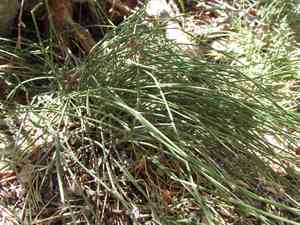
Bluestem joint fir (Ephedra equisetina)
Also known as: Mongolian ephedra, Blue joint fir
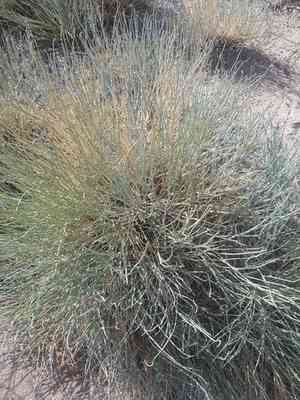
The Bluestem joint fir is a vibrant shrub noted for its blue stems, yellow flowers, and red berries, often used in landscaping as a foundation or border plant. It naturally thrives in dry, rocky, mountainous areas.
In This Article
Attributes of Bluestem joint fir
Lifespan
Perennial
Plant Type
Shrub
Plant Height
1 m
Spread
1.8 m to 2.5 m
Leaf Color
Green
Flower Size
2 mm to 3 mm
Flower Color
Yellow
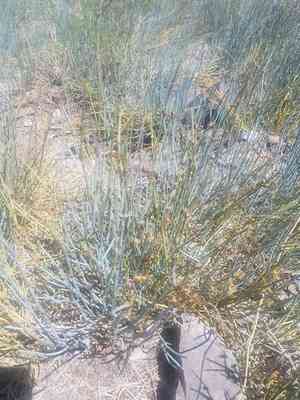
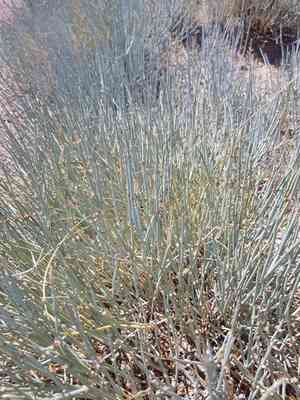
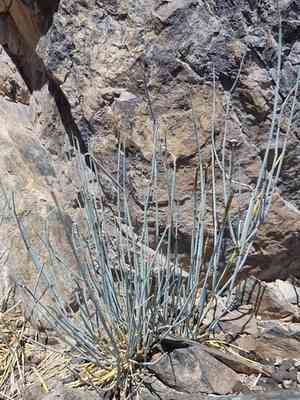
Images of Bluestem joint fir
Quickly Identify Bluestem joint fir
1
Ephedra equisetina can be identified by its slender green stems and small, scale-like leaves that typically grow in pairs. The plant usually appears as a low shrub with a bushy form.
Scientific Classification of Bluestem joint fir
Phylum
Vascular plants
Class
Gnetophytes
Order
Ephedrales
Family
Mormon-tea
Genus
Joint-pines
Species
Bluestem joint fir
Planting and Growing of Bluestem joint fir
Care Difficulty
Easy
Watering Schedule
Every 2 days
Sunlight Requirements
Full sun
Sunshine Duration
4-6 hours
Ideal Temperature
60-75℉
Soil Type
Potting Mix, Peat Mix
Soil pH
6.5-7.5
Fertilizer Type
Balanced
Pruning Season
Spring, Summer
Pruning Area
Branches, Leaves
Pruning Frequency
2 times a year
Repotting Season
Spring
Pot Type
Plastic, Ceramic
 How to Water Bluestem joint fir?
When watering Ephedra equisetina, aim for around 250 milliliters at a time. The watering should be enough to moderately moisten the soil, ensuring that it reaches the roots without leaving the soil soggy. A good rule of thumb is to water until you see a slight trickle of water coming out of the drainage holes of your pot.
What are the symptoms of an underwatered Bluestem joint fir?
›
What should I do if my Bluestem joint fir is not getting enough water?
›
What are the symptoms of an overwatered Bluestem joint fir?
›
How to save an overwatered Bluestem joint fir?
›
 What Are the Sunlight Requirements for Bluestem joint fir?
With an ideal range of full sun to partial sun, Ephedra equisetina thrives with rich green foliage and adequate resin production, crucial for its growth and health.
More About Sunlight Requirements Techniques→
What is the best lighting condition for Ephedra equisetina?
›
How can I ensure ideal lighting for my Ephedra equisetina?
›
What benefits does Ephedra equisetina derive from ideal lighting?
›
 What Is the Ideal Temperature Range for Bluestem joint fir?
Ephedra equisetina thrives best within an ideal temperature range of 60°F to 75°F. This temperature range helps the plant maintain optimal metabolic functions, encouraging healthy growth and development. Ensuring temperatures remain within this range facilitates efficient photosynthesis and nutrient absorption, key components for robust plant health.
 What Soil is Best for Bluestem joint fir?
Ephedra equisetina thrives in well-drained soil, ensuring it receives adequate oxygen and prevents root rot. This type of soil mimics its natural rocky habitats, promoting healthy growth. This plant prefers soils that are not overly rich in nutrients. It has adapted to thrive in nutrient-poor conditions, which can prevent diseases and encourage robust growth. While Ephedra equisetina is drought-tolerant, moderate moisture retention helps sustain its metabolism. Ensuring the soil retains some moisture is crucial for long-term survival.
 How to Fertilize Bluestem joint fir?
When applying liquid fertilizer to Ephedra equisetina, use a diluted solution with a concentration at about one-quarter to one-half the normal strength, roughly 1-2 teaspoons per gallon of water. For slow-release fertilizers, apply around 1 to 2 ounces per plant annually. Care should be taken to avoid any fertilizer coming into direct contact with the plant's stems or its base to prevent burning.
 How to Prune Bluestem joint fir?
Ephedra equisetina requires moderate pruning. Over-pruning can lead to stress and plant damage, reducing its vitality and growth potential. Keep pruning minimal and conservative. Avoid pruning during winter unless necessary, as the plant is dormant and cuts might not heal properly. Best results are achieved during active growth phases in spring, summer, and early autumn.
More About Pruning Techniques→
 How to Propagate Bluestem joint fir plant?
1
Before sowing, soak the seeds in warm water for 24 hours. This helps to soften the seed coat, which can enhance germination rates by making it easier for the embryo to break through.
2
Scatter the soaked seeds evenly over the surface of the potting mix in the seed tray. Gently press them into the soil, ensuring they are covered lightly with the mix to receive adequate warmth and moisture.
3
Cover the seed tray with a plastic dome or cling film to maintain humidity. Keep the mix consistently moist but not soggy to prevent seed rot, watering lightly whenever it starts to dry.
 How to Repot Bluestem joint fir plant?
1
You should repot Ephedra equisetina when you notice roots coming out of the drainage holes, or when the soil is drying out too quickly after watering. These are clear signals that the plant has outgrown its current pot. Spring is the ideal time to repot as the plant is entering its growing season, allowing it ample time to recover.
2
Choose a pot that is only one size larger than the current one. A slightly bigger pot prevents overwatering and promotes proper root growth. Ensure that the pot has adequate drainage holes to prevent water from stagnating, which could lead to root rot.
3
Opt for a well-draining sandy mix that mimics the plant's natural environment. This type of soil prevents waterlogging and ensures that the roots have sufficient air circulation. Ephedra equisetina thrives in a gritty substrate that reduces the risk of fungal diseases.
Toxicity
Ingestion, contact with mucous membranes
WARNING
The judgment on toxicity and danger is for reference only. We DO NOT GUARANTEE any accuracy of such judgment. Therefore, you SHALL NOT rely on such judgment. It is IMPORTANT TO SEEK PROFESSIONAL ADVICE in advance when necessary.
Learn More About Bluestem joint fir Diseases
Anthracnose
Bacterial Leaf Spot
Bacterial Soft Rot
Chemical Injury
Crown Gall
Cyst Nematode
Damping-off
Downy Mildew
Drought Stress
Fusarium Wilt
Gray Mold
Leaf Spot
Mosaic
Nutrient Deficiency
Nutrient Toxicity
Powdery Mildew
Root Rot
Root-knot Nematode
Rusts
Sooty Mold
Spider Mites
Temperature Stress
Thrips Damage
White Mold



