Australian panicgrass (Entolasia marginata)
Also known as: None
This plant, first described by Robert Brown in 1810, can stand up to 0.8 metres tall on its own and may exceed two metres when it climbs on other plants. The term "marginata" in its name refers to the pale, vein-like edges of its leaves. It was among the numerous species Brown documented in his work "Prodromus Florae Novae Hollandiae et Insulae Van Diemen."
In This Article
Attributes of Australian panicgrass
Lifespan
Perennial
Plant Type
Grass
Plant Height
0.5 to 1 meter (1.6 to 3.3 feet)
Spread
N/A
Leaf Color
Green
Flower Size
Small, less than 1 cm
Flower Color
Light green to pale yellow
Images of Australian panicgrass
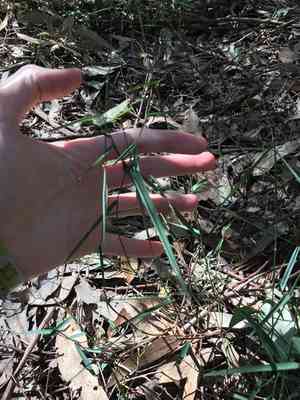
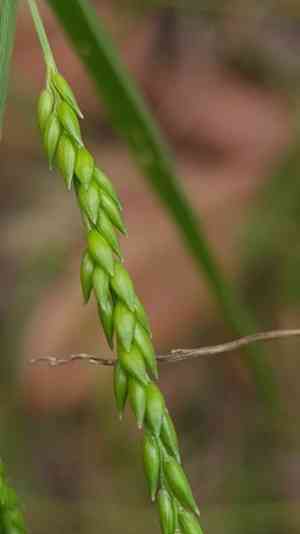
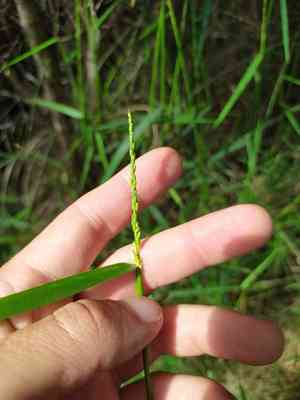
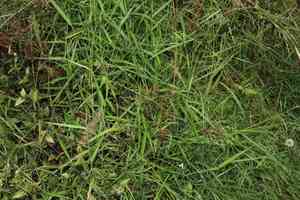
Quickly Identify Australian panicgrass
1
Entolasia marginata can be identified by its long, narrow leaves with a bordered margin. The leaves are typically green and can have a slight sheen. The plant produces small flowers that form in clusters, usually during the spring and summer months.
Scientific Classification of Australian panicgrass
Phylum
Vascular plants
Class
Monocotyledons
Order
Poales
Family
Grass
Genus
Entolasia
Species
Australian panicgrass
Planting and Growing of Australian panicgrass
Care Difficulty
Moderate
Watering Schedule
Every 3 days
Sunlight Requirements
Partial sun
Sunshine Duration
6-10 hours
Ideal Temperature
59-77℉
Soil Type
Potting Mix, Peat Mix
Soil pH
6.5-7.5
Fertilizer Type
Balanced
Pruning Season
Spring, Summer
Pruning Area
Branches, Leaves
Pruning Frequency
2 times a year
Repotting Season
Spring
Pot Type
Plastic, Ceramic
 How to Water Australian panicgrass?
Entolasia marginata prefers consistently moist but not waterlogged soil. When watering, aim to provide about 200 ml of water, which typically is enough to thoroughly moisten the soil without making it soggy. This helps ensure that the water reaches the root zone to support the plant's growth, while also preventing water from pooling on the soil surface.
What are the symptoms of an underwatered Australian panicgrass?
›
What should I do if my Australian panicgrass is not getting enough water?
›
What are the symptoms of an overwatered Australian panicgrass?
›
How to save an overwatered Australian panicgrass?
›
 What Are the Sunlight Requirements for Australian panicgrass?
Entolasia marginata thrives with partial to full sun exposure, benefitting from balanced light to ensure vigorous growth, healthy roots, and vibrant leaf colors.
What is the ideal lighting for Entolasia marginata?
›
How can you ensure the plant receives ideal light?
›
What benefits arise from ideal lighting conditions?
›
 What Is the Ideal Temperature Range for Australian panicgrass?
Entolasia marginata thrives best within a temperature range of 59°F to 77°F. This range supports its metabolic activities, photosynthesis, and overall physiological processes, resulting in healthy growth. Maintaining this range minimizes stress and pest susceptibility.
 What Soil is Best for Australian panicgrass?
Entolasia marginata thrives in well-drained soils, which prevent root rot and promote healthy growth. Sandy and loamy soils are ideal because they allow excess water to seep through, maintaining optimal moisture balance for the roots. This plant prefers soils rich in organic matter, providing a continuous supply of essential nutrients. Well-balanced loams often contain the necessary minerals and organic components to support its robust development. With a preference for lighter soil textures, Entolasia marginata finds it easier to establish roots and access moisture and nutrients effectively. Sandy loams provide the right combination of porosity and water retention.
 How to Fertilize Australian panicgrass?
When fertilizing Entolasia marginata, it's essential to use a balanced approach. A typical application involves using a light dose of fertilizer that contains equal parts of nitrogen, phosphorus, and potassium, such as a 10-10-10 NPK ratio. For liquid fertilizers, applying approximately half a teaspoon per gallon of water is sufficient for each feeding. For slow-release granular fertilizers, using about 1/4 cup per square meter is appropriate.
 How to Prune Australian panicgrass?
Inspect the plant for any dead or discolored leaves or stems. Remove these parts to prevent potential disease spread and maintain the overall health and appearance of the plant. Trim back excess growth and shape the plant to encourage bushier and healthier growth. This not only improves aesthetics but also allows for better air circulation within the plant.
 How to Propagate Australian panicgrass plant?
1
Start by collecting seeds from mature plants. Clean and dry them thoroughly before planting. Soaking seeds overnight can improve germination rates by softening the seed coat.
2
Fill a seed tray with a well-draining soil mix. Scatter the seeds across the surface and lightly cover them with soil. Water gently to avoid displacing the seeds.
3
Carefully lift the plant from its pot or ground. Use a garden spade to split the root ball into smaller sections, ensuring each section has roots and shoots.
 How to Repot Australian panicgrass plant?
1
Entolasia marginata should be repotted when its roots become crowded enough to spiral around the pot’s edges or protrude from drainage holes. Other signals include the plant’s growth slowing considerably or soil compacting over time. Choose a sunny period in spring or summer to minimize stress.
2
Select a pot that is 2-3 inches larger in diameter than the current one. Ensure it has ample drainage holes to prevent waterlogging. A pot that is slightly bigger prevents overwatering while providing room for growth without impeding the root system.
3
Opt for well-draining sandy loam soil that allows for good aeration and prevents root rot. This type of soil ensures that excess water flows away easily, retaining enough moisture for the plant's growth and providing essential nutrients for root development.



