Entelea (Entelea) (Entelea)
Also known as: Whau
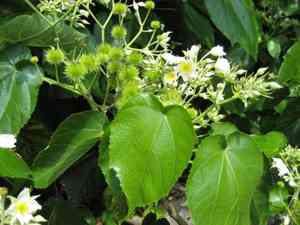
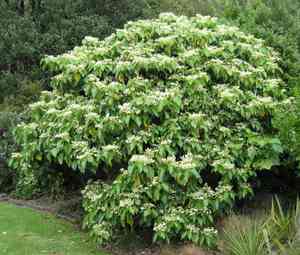
Entelea, also known as whau, is a malvaceous tree native to New Zealand, growing up to 6 meters tall. It features large, bright green leaves with an oblique heart shape, typically having 5 to 7 veins and long stalks. The tree has alternate leaves with stipules and produces white, fragrant flowers with 4 or 5 sepals and petals, and a cluster of yellow stamens in the center. Its dry fruit capsules are distinctly brown and covered in rigid spines, which protect the seeds until they are ready for dispersal. Entelea is unique, with only one species in its genus.
In This Article
Attributes of Entelea (Entelea)
Lifespan
Perennial
Plant Height
3-6 meters
Spread
3-4 meters
Leaf Color
Green
Flower Size
4-6 cm
Flower Color
White
Images of Entelea (Entelea)
Quickly Identify Entelea (Entelea)
1
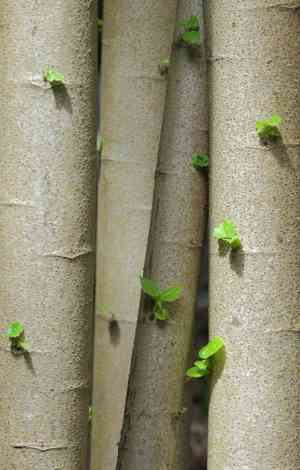
Entelea arborescens can be identified by its large, soft, heart-shaped leaves with a prominent stipule at the base and white flowers. The bark is usually smooth and the plant often has a vase-like shape.
Scientific Classification of Entelea (Entelea)
Phylum
Magnoliophyta
Class
Magnoliopsida
Order
Malvales
Family
Malvaceae
Genus
Entelea
Planting and Growing of Entelea (Entelea)
Care Difficulty
Moderate
Watering Schedule
Every 3 days
Sunlight Requirements
Partial sun
Sunshine Duration
4-8 hours
Ideal Temperature
70-85℉
Soil Type
Potting Mix, Peat Mix
Soil pH
6.5-7.5
Fertilizer Type
Balanced
Pruning Season
Spring, Summer
Pruning Area
Branches, Leaves
Pruning Frequency
2 times a year
Repotting Season
Spring
Pot Type
Plastic, Ceramic
 How to Water Entelea (Entelea)?
Entelea prefers its soil to be kept moderately moist at all times. Water it until the topsoil feels completely moist, but ensure that it drains well to prevent any waterlogging. Ideally, use around 500 ml of water each time to soak the root zone effectively.
What are the symptoms of an underwatered Entelea (Entelea)?
›
What should I do if my Entelea (Entelea) is not getting enough water?
›
What are the symptoms of an overwatered Entelea (Entelea)?
›
How to save an overwatered Entelea (Entelea)?
›
 What Are the Sunlight Requirements for Entelea (Entelea)?
Entelea's ideal light range is partial to full sunlight. Adequate exposure to such light conditions ensures robust growth and foliage development, supporting overall plant health.
What is the ideal lighting environment for Entelea?
›
How can you ensure Entelea gets its ideal light?
›
What are the benefits of providing ideal light to Entelea?
›
 What Is the Ideal Temperature Range for Entelea (Entelea)?
For optimal growth, Entelea thrives best within a temperature range of 70-85°F. This range ensures that the metabolic processes of the plant function efficiently, promoting healthy foliage and robust development. Temperatures within this bracket are ideal for photosynthesis, ensuring the plant gets enough energy for growth and nutrient absorption.
 What Soil is Best for Entelea (Entelea)?
Entelea thrives in well-draining soil, preventing root rot and promoting healthy growth. Proper drainage ensures that the roots do not get waterlogged, which can lead to fungal infections and other complications. A nutrient-rich soil enhances Entelea’s growth by providing essential minerals and nutrients. This ensures that the plant develops robust stems and foliage, contributing to its overall vitality. While good drainage is critical, some moisture retention is beneficial for Entelea. This balance ensures that the plant has access to the necessary water but can still breathe, avoiding wilting and dehydration.
 How to Fertilize Entelea (Entelea)?
Entelea requires a balanced approach when it comes to fertilization. When using liquid fertilizers, apply about 1/4 to 1/2 teaspoon per gallon of water to avoid over-fertilizing. For slow-release fertilizers, consider using about 3 tablespoons evenly distributed around the plant's base. Adjust this amount based on plant size and soil quality.
 How to Prune Entelea (Entelea)?
Begin pruning late in the winter season or early spring, just before the plant shows signs of new growth. This timing allows the plant to heal and recover as it enters its active growing phase. Focus on removing dead or damaged branches first to maintain plant health. Follow this by selectively cutting back branches that contribute to overcrowding, improving air circulation, and light penetration between foliage layers. Maintain an aesthetically pleasing shape by trimming overly long shoots. Use clean and sharp tools to ensure clean cuts, which aid in the plant’s quicker recovery and reduce the risk of disease.
 How to Propagate Entelea (Entelea) plant?
1
Before planting, soak seeds in warm water for 24 hours. This helps in breaking dormancy and accelerates germination. Ensure the water is not too hot to avoid damage to the seeds.
2
Prepare a well-draining soil mix by combining equal parts of potting soil, perlite, and sand. This mixture ensures adequate aeration and prevents waterlogging, crucial for seed and cutting establishment.
3
After sowing seeds or planting cuttings, water them gently but thoroughly. Maintain a consistent moisture level; ensure that the soil does not dry out or become waterlogged.
 How to Repot Entelea (Entelea) plant?
1
Repot Entelea when you notice roots coming out of the drainage holes or when its growth seems stunted. These are signs it has outgrown its current container. Spring and summer are optimal seasons as the plant is actively growing and will recover from the repotting stress more efficiently in these warm weather conditions.
2
Select a pot that is one size larger than the current one, with ample drainage holes. This provides room for root growth and ensures that water can efficiently drain away, preventing root rot. A pot that is too large, however, can hold excess moisture, so moderation is key here.
3
Opt for a well-draining potting mix that includes ingredients like perlite and peat moss. This type of soil mix retains essential moisture while allowing excess water to escape, thus preventing root rot and ensuring healthy root development. It's the perfect balance for Entelea's needs.
Learn More About Entelea (Entelea) Diseases
Anthracnose
Bacterial Leaf Spot
Bacterial Soft Rot
Bacterial Wilt
Crown Gall
Damping-off
Downy Mildew
Drought Stress
Fusarium Wilt
Gray Mold
Leaf Spot
Mosaic
Nutrient Deficiency
Nutrient Toxicity
Powdery Mildew
Root Rot
Root-knot Nematode
Rusts
Sooty Mold
Spider Mites
Temperature Stress
Thrips Damage
White Mold

