
Nicker bean (Entada gigas)
Also known as: Sea heart, Liane cacorne
The plant recognized for having the largest seed pods, reaching up to 2 meters, is the **sea heart** (Entada gigas). These impressive dark brown pods contain large, glossy, reddish-brown seeds. Sea heart thrives in coastal and riverine areas, where its robust vines, adorned with large, bright green, bi-pinnate leaves, climb towards sunlight, demonstrating a remarkable adaptation to its lush environment.
In This Article
Attributes of Nicker bean
Lifespan
Perennial
Plant Height
Up to 30 meters (98 feet) when climbing on trees
Spread
N/A for vines, spreads extensively along the canopy
Leaf Color
Green
Flower Size
Small, around 1-2 cm (0.4-0.8 inches)
Flower Color
White or pale yellow
Images of Nicker bean
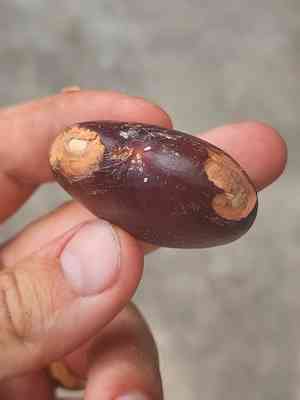
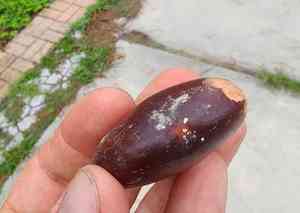

Quickly Identify Nicker bean
1
Entada gigas is identified by its massive, woody seed pods, which can reach up to 2 meters (6.6 feet) in length. The seeds themselves are large, bean-like, and can be around 6 cm (2.4 inches) in diameter. The vine itself can climb to great heights, often covering large areas of forest canopy.
Scientific Classification of Nicker bean
Phylum
Vascular plants
Class
Dicotyledons
Order
Fabales
Family
Legume
Genus
Entada
Species
Nicker bean
Planting and Growing of Nicker bean
Care Difficulty
Hard
Watering Schedule
Every 2 days
Sunlight Requirements
Full sun
Sunshine Duration
4-6 hours
Ideal Temperature
77-86℉
Soil Type
Potting Mix, Peat Mix
Soil pH
6.5-7.5
Fertilizer Type
Balanced
Pruning Season
Spring, Summer
Pruning Area
Branches, Leaves
Pruning Frequency
2 times a year
Repotting Season
Spring
Pot Type
Plastic, Terracotta
 How to Water Nicker bean?
Entada gigas needs a careful balance when it comes to watering. The goal is to keep the soil evenly moist, but not waterlogged. Apply approximately 500 milliliters per watering session, ensuring that the water thoroughly moistens the soil but does not leave standing water.
What are the symptoms of an underwatered Nicker bean?
›
What should I do if my Nicker bean is not getting enough water?
›
What are the symptoms of an overwatered Nicker bean?
›
How to save an overwatered Nicker bean?
›
 What Are the Sunlight Requirements for Nicker bean?
Entada gigas benefits immensely from partial to full sun exposure, facilitating healthy growth and robust foliage development. Adequate light supports its metabolic activities essential for thriving growth.
What is the ideal lighting for Entada gigas?
›
How can I provide the ideal lighting conditions?
›
What benefits does ideal lighting bring to Entada gigas?
›
 What Is the Ideal Temperature Range for Nicker bean?
The ideal temperature range for growing Entada gigas is between 77°F and 86°F. This tropical plant thrives in warm conditions similar to its native environment found in rainforests. Maintaining this temperature range ensures optimal growth and health, allowing the plant to exhibit its unique characteristics, such as its long and impressive seed pods.
 What Soil is Best for Nicker bean?
Entada gigas thrives in nutrient-rich soil that provides ample support for its growth. Ensuring a balance of essential nutrients like nitrogen, phosphorus, and potassium supports the plant's development and helps maintain its impressive size. This plant prefers well-draining soil to prevent waterlogging, which can lead to root rot. Good drainage allows excess water to escape, ensuring the roots receive the right amount of moisture and oxygen. While well-draining, the soil should also retain some moisture. Regular watering is essential, but the soil should not be soggy. Maintaining this balance ensures healthy plant growth and prevents stress.
 How to Fertilize Nicker bean?
Entada gigas benefits from balanced nutrient management tailored to its size and growth stage. Typically, aim for approximately 100 grams of slow-release fertilizer annually for young plants; increase to 200 grams for mature specimens. Liquid fertilizers should be applied as per recommended concentrations, ensuring not to oversaturate the soil.
 How to Prune Nicker bean?
Prune Entada gigas during its dormancy period, ideally in spring or late summer, to manage its growth effectively. This timing helps in reducing stress on the plant and promotes vigorous regrowth. Begin by removing dead or damaged vines and branches. Trim back long or unruly stem portions to maintain a manageable size. Cut just above a leaf node to encourage branching, using a clean, angled cut. After pruning, apply a balanced fertilizer to support new growth. Monitor for signs of stress like wilting or discoloration, and provide adequate water and sunlight to aid recovery and foster healthy development.
More About Pruning Techniques→
 How to Propagate Nicker bean plant?
1
Carefully crack open the large pods of Entada gigas with a sharp tool to extract the seeds. This step is crucial because damaging the seeds during extraction can affect their viability and reduce germination rates.
2
Plant the seeds in a seed tray with good-quality soil. Sow them about an inch deep and cover lightly. Ensure that the soil is moist but not waterlogged to promote healthy germination.
3
Place the seed trays in a warm, sunny location. Maintaining a consistent warm temperature and adequate sunlight during germination is critical for successful propagation of Entada gigas.
 How to Repot Nicker bean plant?
1
Repotting is necessary when the roots of Entada gigas start to grow through the drainage holes, indicating that it has outgrown its current pot. Another sign for repotting is when the soil dries out too quickly after watering, which shows the plant has become root-bound.
2
Select a pot that is 2-3 inches larger in diameter than the current one. A slightly larger pot ensures that the plant has enough space to grow while preventing waterlogging. Opt for a container with ample drainage holes to keep the roots aerated and healthy.
3
Choose a rich, well-draining, loamy soil that can provide the necessary nutrients and avoid water retention. Such soil benefits the Entada gigas by supporting robust growth and preventing root rot, ensuring that the plant thrives in its new environment.
Toxicity
Ingestion
WARNING
The judgment on toxicity and danger is for reference only. We DO NOT GUARANTEE any accuracy of such judgment. Therefore, you SHALL NOT rely on such judgment. It is IMPORTANT TO SEEK PROFESSIONAL ADVICE in advance when necessary.
Learn More About Nicker bean Diseases
Anthracnose
Bacterial Leaf Spot
Bacterial Soft Rot
Bacterial Wilt
Black Spot
Chemical Injury
Crown Gall
Cyst Nematode
Damping-off
Downy Mildew
Drought Stress
Fusarium Wilt
Gray Mold
Leaf Spot
Mosaic
Nutrient Deficiency
Nutrient Toxicity
Powdery Mildew
Root Rot
Root-knot Nematode
Rusts
Sooty Mold
Spider Mites
Temperature Stress
Thrips Damage
White Mold



