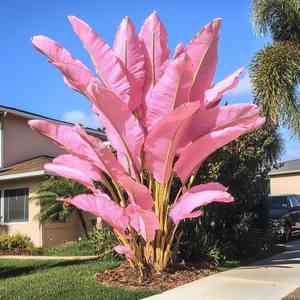
Abyssinian banana (Ensete ventricosum)
Also known as: Ethiopian banana, Ensete
Enset (Ensete ventricosum), also known as the Abyssinian banana, is crucial for Ethiopian food security. The plant's roots, trunk, and growing point are consumed as food, while its leaves and harvest residues serve as cattle feed. Additionally, the leaves offer fiber for crafting ropes, sacks, and baskets, and when dried, they become eco-friendly packaging materials. The seeds are utilized in making necklaces, rattles, and rosaries.
In This Article
Attributes of Abyssinian banana
Lifespan
Perennial
Plant Type
Herb
Plant Height
6 m
Spread
1.8 m to 3 m
Leaf Color
Green
Flower Size
Up to 1 meter
Flower Color
White Red
Images of Abyssinian banana
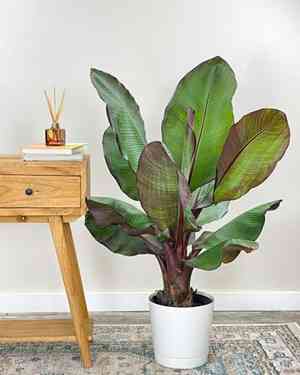
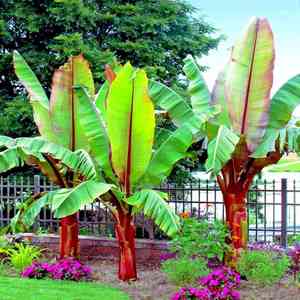
Quickly Identify Abyssinian banana
1
Recognize Ensete ventricosum by its broad, paddle-shaped leaves that can grow up to 5 meters long, and its thick pseudostem, which is often swollen and can appear bulbous. The plant may also produce a large, unusual inflorescence when mature.
Scientific Classification of Abyssinian banana
Phylum
Vascular plants
Class
Monocotyledons
Order
Gingers, bananas, and allies
Family
Banana
Genus
Ensete
Species
Abyssinian banana
Planting and Growing of Abyssinian banana
Care Difficulty
Hard
Watering Schedule
Every 3 days
Sunlight Requirements
Full sun
Sunshine Duration
6-10 hours
Ideal Temperature
68-77℉
Soil Type
Potting Mix, Peat Mix
Soil pH
6.5-7.5
Fertilizer Type
Balanced
Pruning Season
Spring, Summer
Pruning Area
Branches, Leaves
Pruning Frequency
2 times a year
Repotting Season
Spring
Pot Type
Plastic, Terracotta
 How to Water Abyssinian banana?
Ensete ventricosum should be watered thoroughly so that the soil is evenly moist, but not soggy. Aim for about 2000 milliliters per watering session. Ensure water drains freely from the bottom of the pot to avoid root rot, balancing moisture and dryness.
What are the symptoms of an underwatered Abyssinian banana?
›
What should I do if my Abyssinian banana is not getting enough water?
›
What are the symptoms of an overwatered Abyssinian banana?
›
How to save an overwatered Abyssinian banana?
›
 What Are the Sunlight Requirements for Abyssinian banana?
The ideal light range for Ensete ventricosum includes full sun to partial sun exposure. Adequate sunlight helps the plant maintain lush foliage, supports its structural vigor, and enhances its overall appearance.
More About Sunlight Requirements Techniques→
What type of lighting is ideal for Ensete ventricosum?
›
How can you achieve ideal lighting for this plant?
›
What benefits does ideal lighting provide to the plant?
›
 What Is the Ideal Temperature Range for Abyssinian banana?
The ideal temperature range for Ensete ventricosum is between 68°F and 77°F. These temperatures mimic the warm climates of its native habitats, encouraging optimal growth and health. Maintaining this range helps prevent stress and promotes robust development, flowering, and resistance to diseases.
 What Soil is Best for Abyssinian banana?
Ensete ventricosum thrives in well-drained soil to prevent root rot. Ensuring the soil allows excess water to escape boosts the plant's health by avoiding waterlogged conditions that can hinder growth. This plant benefits greatly from soil rich in organic matter. Such soil provides essential nutrients that promote vigorous leaf production and overall robust plant development. While the soil should be well-drained, it also needs to retain adequate moisture to keep Ensete ventricosum hydrated. A good balance helps maintain a lush and exotic appearance.
 How to Fertilize Abyssinian banana?
Ensete ventricosum, commonly known as the Abyssinian banana, requires moderate amounts of fertilizer. A solid dosage would involve using about 2 tablespoons of balanced fertilizer per plant for granules, while liquid fertilizers can be applied at a diluted ratio of 1 teaspoon per gallon of water. This provides a sufficient balance of nutrients to ensure robust growth.
 How to Prune Abyssinian banana?
Start by identifying any dead, damaged, or diseased leaves and remove them using clean, sharp scissors or pruning shears. Trim back any yellow or brown leaves at their base to maintain the plant's aesthetics. Maintain a symmetrical shape by cutting off overgrown or uneven leaves. If the Ensete ventricosum has an overly tall stem, you can prune back the top to control its height. Make your cut just above a leaf node to encourage new growth beneath the cut, which will help maintain a healthy and attractive appearance.
More About Pruning Techniques→
 How to Propagate Abyssinian banana plant?
1
Soak the seeds in lukewarm water for 24 hours before sowing. This helps to soften the seed coat, enhancing water absorption and speeding up the germination process.
2
Once soaked, plant the seeds about 1 inch deep in the seed trays filled with well-draining potting mix. Cover them lightly with soil, ensuring they are not buried too deep.
3
Keep the soil consistently moist but not waterlogged. Use a spray bottle for gentle watering until the seedlings emerge to avoid disturbing the seeds.
 How to Repot Abyssinian banana plant?
1
Repot Ensete ventricosum when you notice roots poking through the drainage holes, a general slowdown in growth, or the soil looking compacted. These are clear signs that the plant needs more space to flourish.
2
Select a pot that is 1-2 sizes larger than the current one, with ample drainage holes to prevent waterlogging. A larger pot provides room for root growth and prevents the plant from becoming root-bound.
3
Use a well-draining potting mix, preferably one enriched with organic matter. This ensures the roots receive adequate moisture without sitting in water, promoting healthy growth and preventing root rot.
Learn More About Abyssinian banana Diseases
Anthracnose
Bacterial Leaf Spot
Bacterial Soft Rot
Bacterial Wilt
Black Spot
Chemical Injury
Crown Gall
Cyst Nematode
Damping-off
Drought Stress
Fusarium Wilt
Gray Mold
Leaf Spot
Mosaic
Nutrient Deficiency
Nutrient Toxicity
Powdery Mildew
Root Rot
Root-knot Nematode
Sooty Mold
Spider Mites
Temperature Stress
Thrips Damage
White Mold



