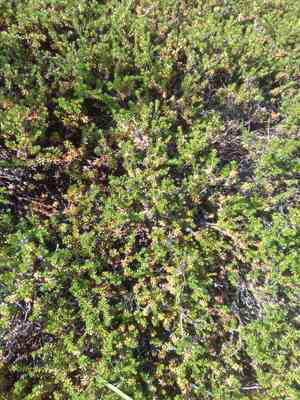
Black crowberry (Empetrum nigrum)
Also known as: Blackberry, Crakeberry
Black crowberries (Empetrum nigrum) are indeed edible but tend to lack the robust flavor found in other berries. For making more delicious jams or jellies, it's best to combine them with more flavorful berries like blueberries or raspberries. These pairings enhance the overall taste, adding sweetness and depth. Additionally, black crowberries are rich in anthocyanins, a natural pigment, and were historically significant in the diet of the Inuit people.
In This Article
Attributes of Black crowberry
Lifespan
Perennial
Plant Type
Shrub
Plant Height
10 cm to 30 cm
Spread
30 cm to 60 cm
Leaf Color
Green
Flower Size
2.5 cm
Flower Color
Pink Purple Red
Images of Black crowberry
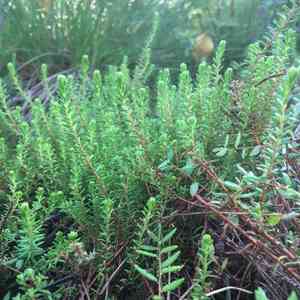
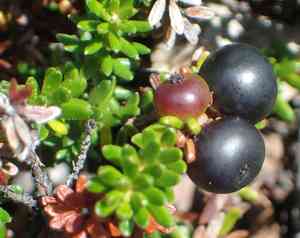
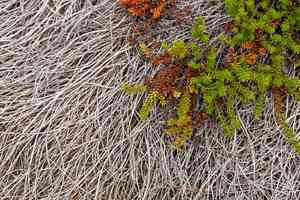
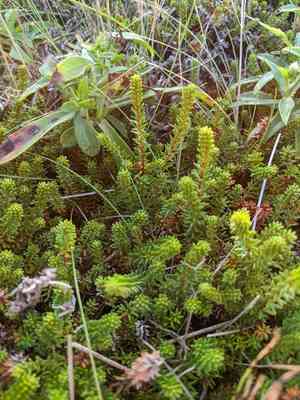
Quickly Identify Black crowberry
1
Identify Empetrum nigrum by its low-lying, evergreen shrub form. Look for small, needle-like leaves and black, shiny berries. The flowers are small and not very conspicuous, usually white or pinkish. Best found in acidic soils often in bogs, moorlands, and alpine regions.
Scientific Classification of Black crowberry
Phylum
Vascular plants
Class
Dicotyledons
Order
Ericales
Family
Heath
Genus
Crowberries
Species
Black crowberry
Planting and Growing of Black crowberry
Care Difficulty
Easy
Watering Schedule
Every 2 days
Sunlight Requirements
Partial sun
Sunshine Duration
4-8 hours
Ideal Temperature
50-60℉
Soil Type
Potting Mix, Peat Mix
Soil pH
3.5-5.5
Fertilizer Type
Balanced
Pruning Season
Spring, Summer
Pruning Area
Branches, Leaves
Pruning Frequency
2 times a year
Repotting Season
Spring
Pot Type
Plastic, Ceramic
 How to Water Black crowberry?
For Empetrum nigrum, it's crucial to ensure the soil remains moist but not waterlogged. The plant thrives in slightly acidic, well-draining soil. Water it until the top inch of soil feels moist to the touch, usually requiring about 250 ml of water per session.
What are the symptoms of an underwatered Black crowberry?
›
What should I do if my Black crowberry is not getting enough water?
›
What are the symptoms of an overwatered Black crowberry?
›
How to save an overwatered Black crowberry?
›
 What Are the Sunlight Requirements for Black crowberry?
Empetrum nigrum ideally thrives in partial to full sun. This light range allows the plant to engage in photosynthesis efficiently, promoting robust health, strong stems, vibrant foliage, and high-quality, plentiful fruit production.
More About Sunlight Requirements Techniques→
How much direct sunlight should Empetrum nigrum receive?
›
What is the best orientation for planting it?
›
How can light levels indoors be optimized for the plant?
›
 What Is the Ideal Temperature Range for Black crowberry?
Empetrum nigrum, commonly known as black crowberry, thrives best in a cool environment. For ideal growth, maintain the temperature range between 50°F and 60°F. This range provides the best conditions for active growth and development of the plant, ensuring that it does not experience thermal stress that could stunt its growth or reduce fruit production.
 What Soil is Best for Black crowberry?
Empetrum nigrum thrives in well-drained soils, helping prevent root rot and other water-related issues. This is essential in maintaining the plant's health and ensuring optimal growth conditions. Preferring acidic soil, Empetrum nigrum can access essential nutrients more effectively. Performing well in low PH environments helps it develop robust foliage and vibrant berries. This plant is well adapted to nutrient-poor soils, relying on its unique adaptations for survival. It can thrive without the need for rich, fertile conditions, making it a low-maintenance choice.
 How to Fertilize Black crowberry?
Empetrum nigrum, also known as black crowberry, does not require heavy fertilization. A balanced approach with a diluted liquid fertilizer every two weeks during the growing season suffices. For slow-release fertilizers, two to three applications per year are ideal. Always adhere to the manufacturer's guidelines to avoid over-fertilization.
 How to Prune Black crowberry?
Over-pruning can stress the plant and lead to reduced growth. Always aim to remove no more than a third of the plant at a time to maintain its vigor and health. Keeping this balance ensures you promote growth without causing undue stress. While Empetrum nigrum can be pruned in spring, summer, and autumn, avoid pruning during active flowering or fruiting stages, as it can reduce the yield and overall appearance of the plant. Timing your pruning correctly supports the plant's natural growth cycle. Consider the natural habitat and growth habits when pruning. Empetrum nigrum, being a low-growing shrub, spreads horizontally, so keep its natural form in mind to retain its aesthetic and ecological value.
More About Pruning Techniques→
 How to Propagate Black crowberry plant?
1
Choose healthy, semi-hardwood branches from the mother plant. Use pruning shears to cut sections about 4-6 inches in length, ensuring you have a few leaf nodes on each cutting.
2
Prepare seed trays with a mix of sand and peat moss. Plant seeds about half an inch deep, ensuring even spacing. Water gently after sowing.
3
For layering, bend a low-growing branch to the ground and cover a section with soil, leaving the tip exposed. This allows roots to develop at the soil-covered section.
 How to Repot Black crowberry plant?
1
Empetrum nigrum should be repotted when you notice roots growing out of the pot's drainage holes or the plant's growth appears stunted. Early spring or early autumn is ideal because the plant is not actively growing, reducing transplant shock risk.
2
Select a pot that is one size larger than the current one, with adequate drainage holes to prevent water logging. A slightly larger pot encourages healthy root development and provides more room for nutrient uptake, minimizing stress on the plant.
3
Opt for acidic, well-draining soil rich in organic matter, like a blend for ericaceous plants. This soil type ensures proper drainage while retaining the slightly acidic environment the plant thrives in, promoting healthier growth.
Toxicity
ingestion of berries, leaves, or stems
WARNING
The judgment on toxicity and danger is for reference only. We DO NOT GUARANTEE any accuracy of such judgment. Therefore, you SHALL NOT rely on such judgment. It is IMPORTANT TO SEEK PROFESSIONAL ADVICE in advance when necessary.



