
Lilac Tasselflower (Emilia sonchifolia)
Also known as: Red Tasselflower
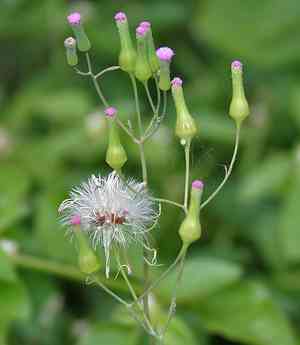
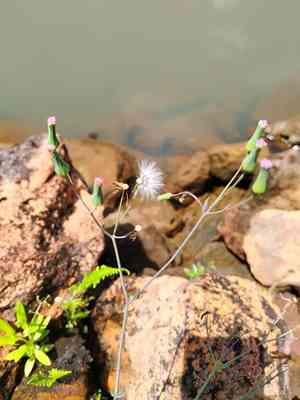
The Lilac Tasselflower (Emilia sonchifolia) is an annual herb that can reach heights of up to 61 cm. Originating from China and the western Pacific, it is often regarded as a weed in various parts of the United States. Preferring full sun and open spaces, this plant showcases lavender-pink flowers and has edible leaves. The flowers produce seed heads with white, fluffy seeds that are easily carried away by the wind.
In This Article
Attributes of Lilac Tasselflower
Lifespan
Annual, Perennial
Plant Type
Herb
Plant Height
40 cm
Spread
Not applicable
Leaf Color
Green
Flower Size
2.5 cm
Flower Color
Pink Purple Red Lavender
Images of Lilac Tasselflower


Quickly Identify Lilac Tasselflower
1
Emilia sonchifolia can be identified by its slender, erect stem, which can grow up to 60 cm tall. It has distinctively lobed leaves and produces small, pinkish or purple flower heads.
Scientific Classification of Lilac Tasselflower
Phylum
Vascular plants
Class
Dicotyledons
Order
Asterales
Family
Daisy
Genus
Tasselflowers
Species
Lilac Tasselflower
Planting and Growing of Lilac Tasselflower
Care Difficulty
Easy
Watering Schedule
Every 4 days
Sunlight Requirements
Partial sun
Sunshine Duration
6-10 hours
Ideal Temperature
65-80℉
Soil Type
Potting Mix, Peat Mix
Soil pH
6-7.5
Fertilizer Type
Balanced
Pruning Season
Spring, Summer
Pruning Area
Branches, Leaves
Pruning Frequency
Once a year
Repotting Season
Spring
Pot Type
Plastic, Ceramic
 How to Water Lilac Tasselflower?
For Emilia sonchifolia, the watering amount should be sufficient to moisten the soil evenly without making it waterlogged. Ensure that around 200 milliliters of water is used per session, allowing the soil to dry slightly on the top before the next watering. This helps prevent root rot while providing enough moisture for its growth.
What are the symptoms of an underwatered Lilac Tasselflower?
›
What should I do if my Lilac Tasselflower is not getting enough water?
›
What are the symptoms of an overwatered Lilac Tasselflower?
›
How to save an overwatered Lilac Tasselflower?
›
 What Are the Sunlight Requirements for Lilac Tasselflower?
The plant prefers partial sun with dappled sunlight that mimics its native environment. Ideal light supports lush, compact growth and vibrant blooming. Balancing sun exposure ensures the plant retains adequate moisture and reduces stress.
What is the best location for Emilia sonchifolia?
›
How can I improve light conditions for this plant?
›
What are the benefits of ideal light conditions?
›
 What Is the Ideal Temperature Range for Lilac Tasselflower?
Emilia sonchifolia thrives in environments where the temperature ranges from 65°F to 80°F. This range ensures optimal growth and flowering, as these conditions mimic the native climate of the plant.
 What Soil is Best for Lilac Tasselflower?
For Emilia sonchifolia, well-drained soil is crucial to prevent waterlogging, which can lead to root rot. This allows air to circulate around the roots, promoting healthy growth and vigorous flowering. The plant thrives in moderately fertile soil, which provides just enough nutrients without overwhelming it. This balance encourages lush foliage and steady development without excessive, leggy growth. It requires soil that retains some moisture but does not remain soggy. Consistent moisture levels facilitate optimal nutrient uptake, essential for maintaining its vibrant, lettuce-like leaves.
 How to Fertilize Lilac Tasselflower?
Emilia sonchifolia, commonly known as tassel flower, requires a balanced fertilization approach. Use a diluted liquid fertilizer, such as a 10-10-10 NPK mix, at one-quarter strength. Ensure each application covers the root zone evenly to avoid nutrient burn or concentration in isolated areas.
 How to Prune Lilac Tasselflower?
Begin by identifying and removing any dead or damaged leaves. This helps the plant redirect its resources into healthy growth and prevents decay from spreading. Gently snip just above the leaf node to ensure clean removal. Prune to shape Emilia sonchifolia to your liking. Trim back overly long or unkempt branches to maintain a bushy, even shape. Aim to foster an open shape that allows for plenty of sunlight and air circulation.
 How to Propagate Lilac Tasselflower plant?
1
Harvest seeds from mature plants once they have dried on the plant. Store them in a cool, dry location until planting.
2
Select a healthy, non-flowering stem, and use a sharp knife to cut a section approximately 4-6 inches long. Remove the lower leaves to prepare for planting.
3
When dividing Emilia sonchifolia, carefully dig up the plant and separate the root clumps. Ensure each division has roots attached before replanting in a new location.
 How to Repot Lilac Tasselflower plant?
1
Emilia sonchifolia should be repotted when you notice its roots peeking out of the pot’s drainage holes, or when the growth seems to be stunted. The best time to repot is during spring or summer, which are its active growing seasons, ensuring minimal stress on the plant during the transition.
2
Selecting a pot with adequate drainage holes is crucial for Emilia sonchifolia. The pot should be slightly larger than the previous one, providing just enough room for the roots to spread. This prevents waterlogging while ensuring the plant has space to grow, promoting healthier and more robust foliage.
3
Emilia sonchifolia thrives in a well-draining potting mix that contains equal parts peat, perlite, and garden soil. This mix ensures that the roots receive proper aeration and prevents the risk of root rot, providing the plant with a balanced environment for optimal growth.


