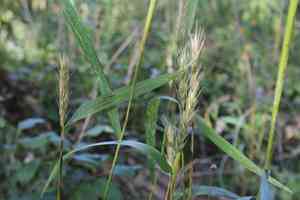
Virginia wild rye (Elymus virginicus)
Also known as: Virginia lymegrass
Switchgrass (Panicum virgatum) is a perennial grass native to the eastern United States. It thrives in a range of soil types and moisture conditions, making it versatile for various landscapes. This grass is particularly effective for erosion control on hillsides due to its deep root system. Additionally, switchgrass provides habitat and food for wildlife, including insects, birds, and small mammals.
In This Article
Attributes of Virginia wild rye
Lifespan
Perennial
Plant Type
Herb
Plant Height
61 cm to 1.5 m
Spread
30 cm to 60 cm
Leaf Color
Green
Flower Size
6 cm to 15 cm
Flower Color
White Yellow Green Purple Brown
Images of Virginia wild rye
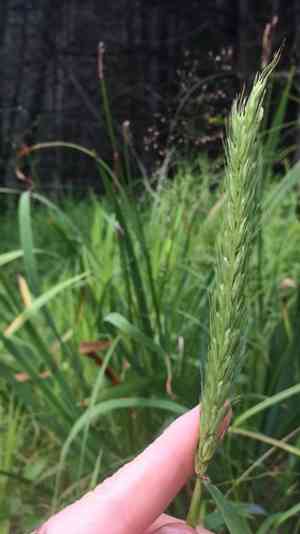
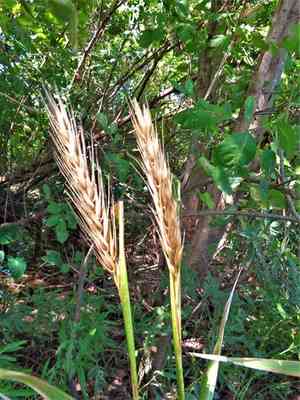
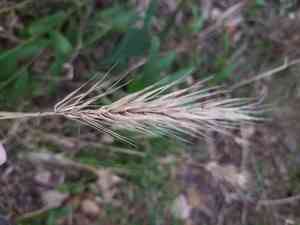
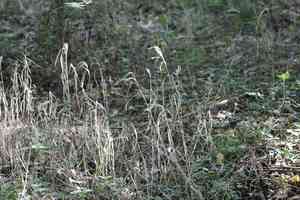
Quickly Identify Virginia wild rye
1
Bristled wheat-like inflorescences reaching 4 feet (1.2 meters) in height.
2
Caryopsis fruits cluster into a spiky spike up to 6 inches (15 cm) long.
3
Flat, linear leaves with sharp tips, growing up to 1 foot (30 cm) long.
4
Compact flower spikes, 4-8 inches (10-20 cm) long, lack prominent petals.
5
Distinctive tan seed heads after blooming season, aesthetic well into autumn.
Scientific Classification of Virginia wild rye
Phylum
Vascular plants
Class
Monocotyledons
Order
Poales
Family
Grass
Genus
Couch grasses
Species
Virginia wild rye
Planting and Growing of Virginia wild rye
Care Difficulty
Easy
Watering Schedule
Every 2 days
Sunlight Requirements
Partial sun
Sunshine Duration
6-10 hours
Ideal Temperature
59-77℉
Soil Type
Potting Mix, Peat Mix
Soil pH
6-7.5
Fertilizer Type
Balanced
Pruning Season
Spring, Summer
Pruning Area
Branches, Leaves
Pruning Frequency
2 times a year
Repotting Season
Spring
Pot Type
Plastic, Ceramic
 How to Water Virginia wild rye?
Virginia wildrye, or Elymus virginicus, prefers to have its soil evenly moist but not waterlogged. When watering, ensure the soil is moist to a depth of about 12 inches to support its deep root system. Approximately 500 ml of water is typically sufficient for a medium-sized plant within a pot, making sure it soaks in gradually.
What are the symptoms of an underwatered Virginia wild rye?
›
What should I do if my Virginia wild rye is not getting enough water?
›
What are the symptoms of an overwatered Virginia wild rye?
›
How to save an overwatered Virginia wild rye?
›
 What Are the Sunlight Requirements for Virginia wild rye?
Elymus virginicus benefits most from partial sun, where it can optimize photosynthesis with enough light while avoiding stress from excess heat. Balanced sunlight supports strong growth, rich foliage, and healthy seed development.
More About Sunlight Requirements Techniques→
What is Elymus virginicus' ideal sunlight exposure?
›
How can you achieve ideal lighting conditions for Elymus virginicus?
›
What benefits does Elymus virginicus gain from ideal sunlight?
›
 What Is the Ideal Temperature Range for Virginia wild rye?
Elymus virginicus thrives best within a temperature range of 59°F to 77°F. This range provides the most favorable conditions for photosynthesis and growth, minimizing stress metabolism that might otherwise occur outside these limits.
 What Soil is Best for Virginia wild rye?
Elymus virginicus thrives best in nutrient-rich soils, which provide the essential minerals needed for healthy growth and development. Such soils enhance root strength and the overall vigor of the plant. This plant prefers well-drained soil to prevent waterlogging, which can lead to root rot. Proper drainage helps to maintain optimal moisture levels, ensuring healthy root development and plant stability. Elymus virginicus does well in soils with moderate moisture, helping to maintain consistent hydration without oversaturation. This balance promotes healthy growth and resilience against drought conditions.
 How to Fertilize Virginia wild rye?
For Elymus virginicus, it is crucial to use a balanced fertilizer, applying about half a teaspoon per square foot. This ensures the plant receives adequate nutrients without causing damage to the roots or foliage. Avoid over-fertilizing as it can lead to excessive growth and weaker stems.
 How to Prune Virginia wild rye?
Begin by identifying any dead, damaged, or diseased stems. These can be removed entirely, as they do not contribute to the plant's overall health and may harbor pests. Elymus virginicus can be shaped by selectively trimming back longer stems while maintaining its natural form. Focus on creating an open canopy that allows air circulation and sunlight penetration. Cut back about one-third of the plant's height to promote new growth. This can be especially beneficial after flowering, as it encourages more vigorous foliage in the next growth cycle.
More About Pruning Techniques→
 How to Propagate Virginia wild rye plant?
1
Collect seeds from mature Elymus virginicus plants when the seed heads turn golden brown. Clean and dry the seeds, removing any debris to improve germination rates before planting.
2
Sow Elymus virginicus seeds in prepared soil, ensuring they are spaced adequately to prevent overcrowding. Cover the seeds lightly with soil and water gently to keep the substrate evenly moist.
3
For division, carefully dig up an established plant and separate it into smaller segments, each with roots and shoots. Replant these divisions immediately to ensure minimal stress and effective establishment.
 How to Repot Virginia wild rye plant?
1
Elymus virginicus should be repotted when you observe roots starting to emerge from the drainage holes or when growth appears stunted. This typically happens every 2-3 years. Fresh, robust growth is a sign that it's a good time to offer more space and nutrients.
2
Select a pot that is 1-2 inches larger in diameter than the current one. Opt for materials like clay or ceramic for good air exchange and moisture balance. Ensure it has drainage holes to prevent root rot, which is critical for the plant's health.
3
Choose a loamy, well-draining soil mix to suit Elymus virginicus needs. Such soil improves aeration and prevents waterlogging, which can damage roots. A balanced mix will also help in providing appropriate nutrients for robust growth.



