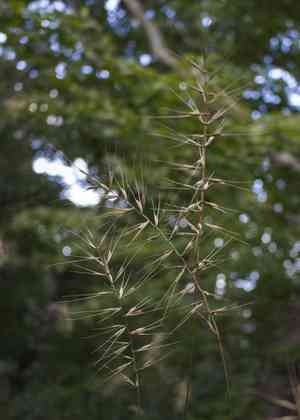
Eastern bottle-brush grass (Elymus hystrix)
Also known as: Bottlebrush grass
Eastern gamagrass (Tripsacum dactyloides) is a grass species indigenous to eastern North America. Researchers are exploring its potential for domestication to serve as a food source for livestock and possibly humans in the future.
In This Article
Attributes of Eastern bottle-brush grass
Lifespan
Perennial
Plant Type
Herb
Plant Height
61 cm to 1.2 m
Spread
30 cm to 60 cm
Leaf Color
Green Blue Gray Silver
Flower Size
8 cm to 15 cm
Flower Color
Green Brown White Yellow
Images of Eastern bottle-brush grass
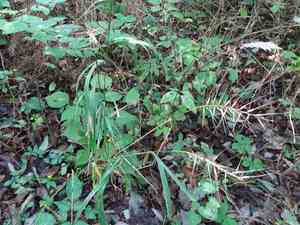
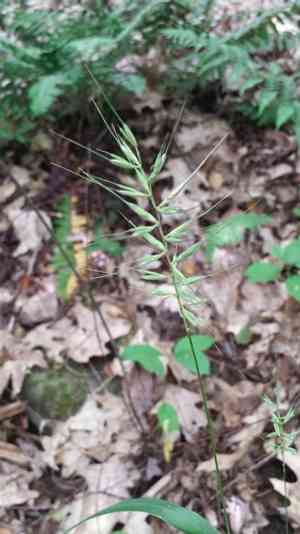
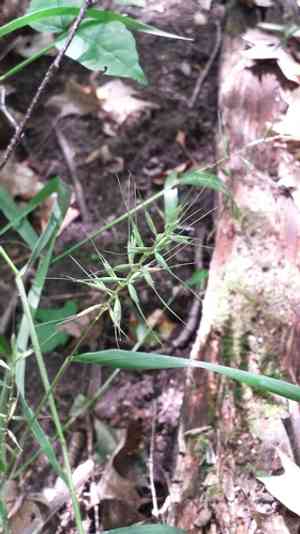
Quickly Identify Eastern bottle-brush grass
1
Bottlebrush-like seed heads extend above the foliage, distinctive in appearance.
2
Blue-green blades that may turn yellow in fall provide seasonal interest.
3
Loose tufted clumps with narrow blades that self-seed modestly but are not invasive.
4
Delicate pale green to tan flowers bloom in loose, airy clusters from May to July.
5
Fruit is a bristly caryopsis on a spike, maturing to straw-like color, measuring 0.3-0.5 inches.
Scientific Classification of Eastern bottle-brush grass
Phylum
Vascular plants
Class
Monocotyledons
Order
Poales
Family
Grass
Genus
Couch grasses
Species
Eastern bottle-brush grass
Planting and Growing of Eastern bottle-brush grass
Care Difficulty
Easy
Watering Schedule
Every 3 days
Sunlight Requirements
Partial sun
Sunshine Duration
4-8 hours
Ideal Temperature
60-75℉
Soil Type
Potting Mix, Peat Mix
Soil pH
6.5-7.5
Fertilizer Type
Balanced
Pruning Season
Spring, Summer
Pruning Area
Branches, Leaves
Pruning Frequency
2 times a year
Repotting Season
Spring
Pot Type
Plastic, Ceramic
 How to Water Eastern bottle-brush grass?
When watering Elymus hystrix, it's crucial to moisten the soil thoroughly but not excessively. Aim for around 500 milliliters per session, ensuring the water penetrates the soil steadily without pooling on the surface. This allows the roots to absorb adequate moisture without becoming waterlogged.
What are the symptoms of an underwatered Eastern bottle-brush grass?
›
What should I do if my Eastern bottle-brush grass is not getting enough water?
›
What are the symptoms of an overwatered Eastern bottle-brush grass?
›
How to save an overwatered Eastern bottle-brush grass?
›
 What Are the Sunlight Requirements for Eastern bottle-brush grass?
Elymus hystrix thrives best in partial sun, which offers the balanced light necessary for optimal growth. This light range encourages healthy development and ensures the plant maintains strong, vibrant foliage.
More About Sunlight Requirements Techniques→
What are the optimal light conditions for Elymus hystrix?
›
How can I achieve the ideal lighting for this plant indoors?
›
What are the benefits of ideal lighting for Elymus hystrix?
›
 What Is the Ideal Temperature Range for Eastern bottle-brush grass?
The ideal temperature range for Elymus hystrix, also known as Bottlebrush Grass, is between 60°F and 75°F. This range provides optimal conditions for growth and ensures that the plant can maximize photosynthesis and nutrient uptake.
 What Soil is Best for Eastern bottle-brush grass?
Elymus hystrix thrives in soils with excellent moisture retention. This ensures the plant receives a steady supply of water, crucial for its growth during warmer months. Well-retained moisture prevents the plant from wilting and maintains its lush greenery. The plant prefers a soil composition rich in essential nutrients such as nitrogen, phosphorus, and potassium. A healthy balance of these nutrients promotes strong root development and vigorous stalk growth, which are vital for its overall health. Despite needing moisture, Elymus hystrix requires soils that offer good drainage to prevent waterlogging. Proper drainage avoids the risks of root rot and fungal infections, thus safeguarding the plant's longevity.
 How to Fertilize Eastern bottle-brush grass?
For Elymus hystrix, use a balanced 10-10-10 liquid fertilizer diluted to half strength once every two weeks during the growing season. Avoid over-fertilizing as this can lead to nutrient burn and inhibit growth.
 How to Prune Eastern bottle-brush grass?
Start by identifying and cutting back any dead, damaged, or yellowing leaves, as these parts can harbor diseases and pests, potentially harming the overall health of Elymus hystrix. Carefully trim back any excess growth to maintain the plant's desired shape and size. Focus on stems that cross or rub against each other to prevent damaging the stems. When pruning, make cuts at a 45-degree angle to encourage new growth and minimize water damage. This angle helps rainfall or watering to run off rather than sitting on the cut surface.
More About Pruning Techniques→
 How to Propagate Eastern bottle-brush grass plant?
1
Before proceeding with seed or division propagation, it is crucial to prepare the soil by loosening it and removing any weeds or debris. This ensures optimal root development and nutrient absorption.
2
For seed propagation, sow the Elymus hystrix seeds evenly in the seed trays. Cover lightly with soil and maintain a consistent moisture level to facilitate successful germination.
3
In division propagation, dig up mature plants and carefully separate them into smaller sections, ensuring each division has at least one viable growth bud for successful re-establishment.
 How to Repot Eastern bottle-brush grass plant?
1
Repot Elymus hystrix when you notice roots growing out of the pot's drainage holes or when growth becomes restricted. Ideally, repot during spring or autumn to minimize stress. Regularly inspect your plant during watering to identify when it outgrows its container.
2
Select a pot that is 1-2 inches larger in diameter than the current pot to allow for growth. Ensure it has sufficient drainage holes to prevent waterlogging. A pot made of breathable materials like terra cotta can help regulate moisture levels.
3
Opt for a well-draining loamy mix that retains some moisture but doesn't get soggy. This balance ensures healthy root development and prevents rot. A mix of potting soil with perlite or sand can improve drainage and aeration.



