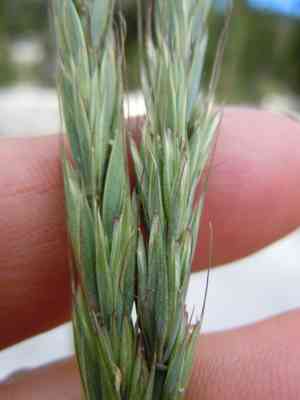
Blue wild rye (Elymus glaucus)
Also known as: Mackenzie's Blue Wildrye, Western wild rye
Canada wild rye is a prevalent wild rye species found throughout the United States. Its greenish-blue leaves form clumps that can reach up to 1.5 meters in height. This species is particularly effective for erosion control and reforestation efforts.
In This Article
Attributes of Blue wild rye
Lifespan
Perennial
Plant Type
Grass
Plant Height
50 cm to 1.5 m
Spread
50 cm to 1 m
Leaf Color
Green Blue
Flower Size
2.5 cm
Flower Color
Yellow Green Purple Brown
Images of Blue wild rye
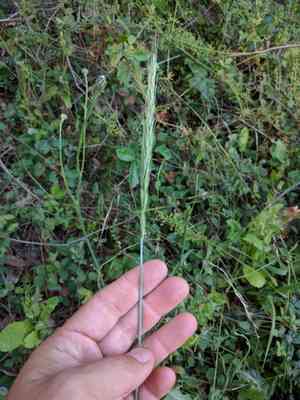
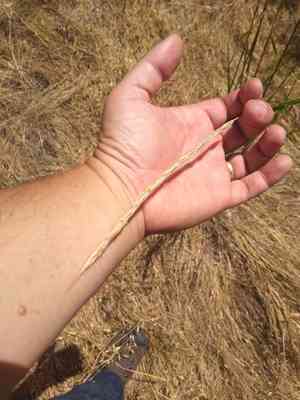
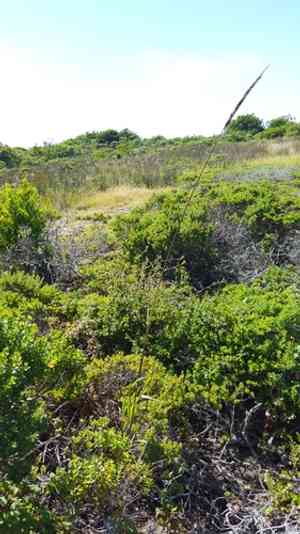
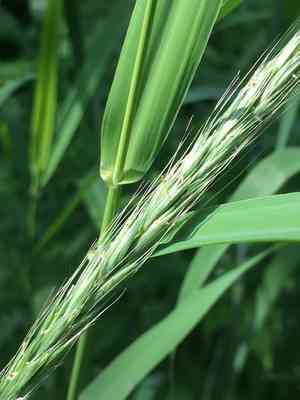
Quickly Identify Blue wild rye
1
This grass can be identified by its bluish-green stems and leaves. The spikes are erect and slender, and it can grow up to 1.5 meters. The flowering heads are narrow and can sometimes appear slightly curved.
Scientific Classification of Blue wild rye
Phylum
Vascular plants
Class
Monocotyledons
Order
Poales
Family
Grass
Genus
Couch grasses
Species
Blue wild rye
Planting and Growing of Blue wild rye
Care Difficulty
Easy
Watering Schedule
Every 3 days
Sunlight Requirements
Full sun
Sunshine Duration
6-8 hours
Ideal Temperature
50-80℉
Soil Type
Potting Mix, Peat Mix
Soil pH
6.5-7.5
Fertilizer Type
Balanced
Pruning Season
Spring, Summer
Pruning Area
Branches, Leaves
Pruning Frequency
2 times a year
Repotting Season
Spring
Pot Type
Plastic, Ceramic
 How to Water Blue wild rye?
When watering Elymus glaucus, it's crucial to ensure the soil is moistened deeply but not waterlogged. Aim to provide approximately 500 ml of water each time, evenly distributed around the base of the plant, allowing the water to reach the roots thoroughly. The goal is to maintain consistent soil moisture that mirrors the natural conditions without creating standing water.
What are the symptoms of an underwatered Blue wild rye?
›
What should I do if my Blue wild rye is not getting enough water?
›
What are the symptoms of an overwatered Blue wild rye?
›
How to save an overwatered Blue wild rye?
›
 What Are the Sunlight Requirements for Blue wild rye?
Elymus glaucus benefits from full sun to partial sun, ideally within 6 to 8 hours of light. Adequate lighting encourages dense growth, vibrant leaves, and effective flowering, crucial for its ornamental and ecological value.
More About Sunlight Requirements Techniques→
How to Achieve Ideal Lighting Conditions?
›
Specific Measures for Optimal Light Exposure
›
Benefits of Ideal Lighting
›
 What Is the Ideal Temperature Range for Blue wild rye?
Elymus glaucus thrives best in an ideal temperature range of 50°F to 80°F. This range supports optimal growth and development, ensuring robust health and resilience of the plant. During these temperatures, Elymus glaucus efficiently performs photosynthesis and other metabolic processes required for its growth.
 What Soil is Best for Blue wild rye?
Elymus glaucus thrives in well-drained soils, which prevent waterlogging and root rot. This soil requirement is crucial as it allows roots to access oxygen efficiently, promoting robust growth and health. This grass benefits from nutrient-rich soils that provide essential minerals and organic matter. These nutrients support vigorous leafy growth and a dense root system, crucial for the plant's resilience in varying conditions. Ideal soils retain enough moisture to keep roots hydrated but not saturated. This balance ensures Elymus glaucus has consistent water uptake, maintaining turgor pressure and reducing drought stress.
 How to Fertilize Blue wild rye?
Elymus glaucus thrives on balanced fertilization, where the application of both liquid and solid fertilizers is well-regulated. For liquid fertilizers, a general guideline is to use a concentration of ¼ of the recommended strength to avoid nutrient overload. For slow-release solid fertilizers, a handful (approximately 50 grams) should be applied per square meter. This helps ensure the plant receives essential nutrients without overwhelming the root system.
 How to Prune Blue wild rye?
Begin by inspecting your Elymus glaucus for any dead or diseased stems. Cut these back to the base to prevent the spread of disease and encourage new growth from healthier parts of the plant. Trim back the plant to maintain its desired shape and size. Use sharp, clean shears to make precise cuts just above a leaf node or bud, which encourages branching and fuller growth. Once the flowers have faded, you can cut back the flowering stems to encourage a tidy appearance and direct energy back to the plant for robust basal growth.
More About Pruning Techniques→
 How to Propagate Blue wild rye plant?
1
Sow Elymus glaucus seeds in seed trays filled with a well-draining potting mix. Cover the seeds lightly with soil and keep them moist. Ensure they receive plenty of indirect sunlight to encourage germination.
2
When dividing mature Elymus glaucus clumps, carefully dig up the plant with a shovel. Use pruning scissors to separate individual sections, ensuring each section has roots attached. Replant immediately into prepared soil.
3
Once seedlings are large enough to handle, usually in a few weeks, they should be transplanted to their final growing location. Acclimatize them gradually to outdoor conditions to reduce stress and promote healthy growth.
 How to Repot Blue wild rye plant?
1
Elymus glaucus needs repotting when its roots start to circle the pot or emerge from drainage holes, indicating root congestion. Another signal is slowed growth despite adequate care. Repotting in early spring or autumn allows the plant to establish itself before extreme temperatures hit.
2
Select a pot that's one size larger than the current one to allow room for growth but not too large to risk overwatering. Ensure the pot has good drainage holes to prevent root rot. Ceramic or clay pots are ideal as they offer stability and breathability, crucial for healthy root development.
3
Opt for loamy, well-draining soil mixes to mimic Elymus glaucus' natural environment. These prevent waterlogging while retaining enough moisture for the plant. Enriched with organic matter, this type of soil supports root health and nutrition absorption.



