
Baker's wheatgrass (Elymus bakeri)
Also known as: Baker's Wheatgrass
Baker's wheatgrass (Elymus bakeri) is indigenous to the mountainous regions and meadows of the western United States. You can find it naturally occurring in states such as Utah, Montana, Oregon, Washington, Wyoming, Colorado, Idaho, and New Mexico, particularly in elevated meadow areas.
In This Article
Attributes of Baker's wheatgrass
Lifespan
Perennial
Plant Type
Grass
Plant Height
51 cm
Spread
Not typically measured as this is a grass species
Leaf Color
Blue-green
Flower Size
Not applicable
Flower Color
Yellow Green Purple Brown
Images of Baker's wheatgrass


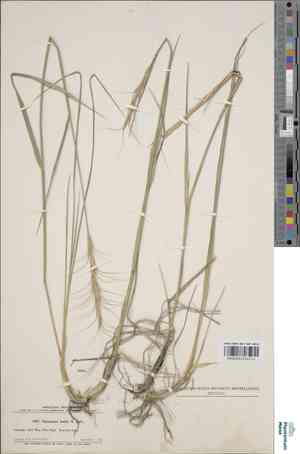
Quickly Identify Baker's wheatgrass
1
It can be identified by its erect, tufted growth habit, narrow leaves, and distinctive spike-like inflorescence. The leaves are often blue-green and rough to the touch.
Scientific Classification of Baker's wheatgrass
Phylum
Vascular plants
Class
Monocotyledons
Order
Poales
Family
Grass
Genus
Couch grasses
Species
Baker's wheatgrass
Planting and Growing of Baker's wheatgrass
Care Difficulty
Easy
Watering Schedule
Every 4 days
Sunlight Requirements
Partial sun
Sunshine Duration
4-6 hours
Ideal Temperature
55-75℉
Soil Type
Potting Mix, Peat Mix
Soil pH
6.5-7.5
Fertilizer Type
Balanced
Pruning Season
Spring, Summer
Pruning Area
Branches, Leaves
Pruning Frequency
2 times a year
Repotting Season
Spring
Pot Type
Plastic, Ceramic
 How to Water Baker's wheatgrass?
Elymus bakeri prefers moderate watering. Typically, 250 milliliters of water should be enough to keep its soil consistently moist but not waterlogged. The goal is to ensure the soil is moist but not soggy, allowing it to dry slightly between watering sessions.
What are the symptoms of an underwatered Baker's wheatgrass?
›
What should I do if my Baker's wheatgrass is not getting enough water?
›
What are the symptoms of an overwatered Baker's wheatgrass?
›
How to save an overwatered Baker's wheatgrass?
›
 What Are the Sunlight Requirements for Baker's wheatgrass?
Elymus bakeri prefers a light range of partial sun, allowing it to balance energy intake from sunlight without stress. This condition fosters healthy foliage growth and robust overall health.
What type of sunlight is ideal for Elymus bakeri?
›
How can I achieve optimal sunlight for my Elymus bakeri?
›
Why is achieving ideal sunlight important for Elymus bakeri?
›
 What Is the Ideal Temperature Range for Baker's wheatgrass?
Elymus bakeri thrives within an ideal temperature range of 55°F to 75°F. At these temperatures, the plant can perform optimal photosynthesis and growth processes. Maintaining this temperature range ensures healthy development and resistance to stresses, as it mirrors the conditions found in its native habitat.
 What Soil is Best for Baker's wheatgrass?
Elymus bakeri thrives in soils rich in nutrients, which provide essential minerals for its growth. A nutrient-rich soil ensures robust foliage and strong roots, enhancing the plant’s overall health and vitality. It is vital for Elymus bakeri to have well-drained soil to prevent root rot and fungal diseases. Proper drainage helps maintain optimal moisture levels, ensuring the plant's roots remain healthy and oxygenated. The soil should retain moderate moisture to support the plant's growth without becoming waterlogged. This balance helps in sustaining the plant during dry spells while preventing the buildup of excess moisture.
 How to Fertilize Baker's wheatgrass?
When fertilizing Elymus bakeri, apply 1/4 to 1/2 cup of a balanced 10-10-10 fertilizer per square foot, ensuring even distribution over the plant's root zone. This provides essential nutrients without overwhelming the plant.
 How to Prune Baker's wheatgrass?
Begin by identifying and targeting any dead, damaged, or diseased stems and leaves. Removing these parts not only tidies up the plant but also prevents the spread of any potential issues throughout the foliage. Look closely for any browning tips or discoloration. Prune stems back to a length anywhere between one third to half of their original length. This guides the plant to grow in a more compact, bushy form. Always make cuts at a slight angle and just above a node to encourage new growth in the desired direction.
More About Pruning Techniques→
 How to Propagate Baker's wheatgrass plant?
1
Begin by filling a seed tray with a light potting mix. Sow Elymus bakeri seeds on the surface and lightly cover them with soil. Water gently to avoid disturbing seeds. Keep the tray in a warm, brightly lit area.
2
For division, water the plant thoroughly a day before. This ensures the rootball is moist and easy to work with. Carefully dig up the plant, aiming to keep the root system intact.
3
After dividing, replant sections immediately to minimize stress. Place the divided sections in prepared holes, ensuring the crown is level with the soil surface. Water them well to help establish roots.
 How to Repot Baker's wheatgrass plant?
1
Elymus bakeri should be repotted when it shows signs of outgrowing its current pot, such as roots emerging from drainage holes or a noticeable slowing in growth. The best time to perform repotting is during its active growing season, mainly spring or autumn, to minimize stress and allow it to establish quickly in its new home.
2
Select a pot that is 1-2 inches larger in diameter than the current one, ensuring it has sufficient drainage holes. A slightly bigger pot prevents overwatering and root rot by offering adequate space for growth, while ensuring the rapid removal of excess water. The material of the pot can vary, but breathable options like terracotta are ideal for preventing moisture retention issues.
3
Opt for a well-draining sandy loam that supports healthy root development and minimizes soil compaction. This type of soil mix aids in efficient water and air circulation around the roots, reducing the risk of bacterial and fungal diseases, and promoting optimal plant health and growth.



