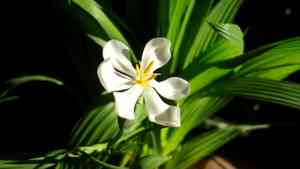
Lagrimas de la virgen (Eleutherine bulbosa)
Also known as: Sinson, Lerep, Maririt, Bloodwort
Lagrimas de la virgen is a perennial flowering plant commonly grown as an ornamental. Its lovely white flowers bloom in the evening. The name "Lagrimas de la virgen" translates from Spanish to "tears of the virgin."
In This Article
Attributes of Lagrimas de la virgen
Lifespan
Perennial
Plant Type
Herb
Plant Height
15 cm to 75 cm
Spread
Not particularly notable
Leaf Color
Green
Flower Size
3 cm
Flower Color
White Yellow
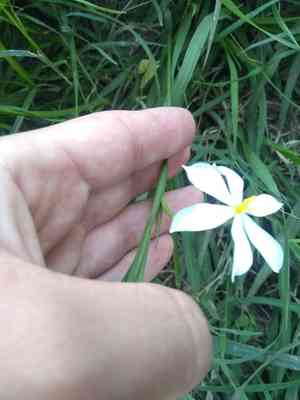
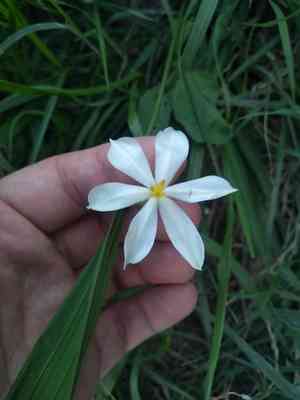
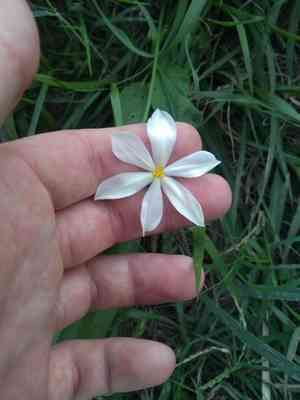
Images of Lagrimas de la virgen
Quickly Identify Lagrimas de la virgen
1
Eleutherine bulbosa can be identified by its bulbous roots, long, slender leaves, and small, white to pinkish flowers. The plant typically grows in clusters and prefers well-drained soil with partial shade.
Scientific Classification of Lagrimas de la virgen
Phylum
Vascular plants
Class
Monocotyledons
Order
Asparagales
Family
Iris
Genus
Eleutherine
Species
Lagrimas de la virgen
Planting and Growing of Lagrimas de la virgen
Care Difficulty
Easy
Watering Schedule
Every 2 days
Sunlight Requirements
Partial sun
Sunshine Duration
4-8 hours
Ideal Temperature
75-85℉
Soil Type
Potting Mix, Peat Mix
Soil pH
6.5-7.5
Fertilizer Type
Balanced
Pruning Season
Spring, Summer
Pruning Area
Branches, Leaves
Pruning Frequency
2 times a year
Repotting Season
Spring
Pot Type
Plastic, Ceramic
 How to Water Lagrimas de la virgen?
Eleutherine bulbosa prefers to be kept evenly moist, but not waterlogged. Watering should be done until the soil is moist but not soaking, allowing around 250ml per session. This amount should ensure the roots are sufficiently hydrated without drowning them.
What are the symptoms of an underwatered Lagrimas de la virgen?
›
What should I do if my Lagrimas de la virgen is not getting enough water?
›
What are the symptoms of an overwatered Lagrimas de la virgen?
›
How to save an overwatered Lagrimas de la virgen?
›
 What Are the Sunlight Requirements for Lagrimas de la virgen?
Eleutherine bulbosa flourishes best under partial sun conditions, receiving filtered sunlight ideally for 4 to 6 hours daily. This range helps ensure the plant remains vibrant, enabling optimal growth, flowering, and a strong resilience to environmental stressors.
More About Sunlight Requirements Techniques→
What is the ideal lighting for Eleutherine bulbosa?
›
How can I provide Eleutherine bulbosa with optimal light conditions?
›
What benefits do ideal lighting conditions provide Eleutherine bulbosa?
›
 What Is the Ideal Temperature Range for Lagrimas de la virgen?
The ideal temperature range for cultivating Eleutherine bulbosa is between 75°F and 85°F. In this range, the plant can photosynthesize efficiently and maintain optimal growth rates. Proper temperature management ensures that the plant's metabolic processes are optimized and prevents stress-related conditions that can hinder development.
 What Soil is Best for Lagrimas de la virgen?
Eleutherine bulbosa thrives in well-drained soil, which prevents waterlogging. Good drainage ensures that the roots get oxygen and minimizes the risk of root rot. This is vital for the plant's healthy growth. This plant benefits from moderately fertile soil rich in organic matter. Nutrients in the soil help the plant produce vibrant foliage and robust bulbs, crucial for its development. Keeping the soil moist but not saturated is important for Eleutherine bulbosa. Adequate moisture supports its growth cycle, but excess water can lead to diseases, affecting overall vitality.
 How to Fertilize Lagrimas de la virgen?
For Eleutherine bulbosa, it's essential to use a balanced fertilizer, providing approximately 1 tablespoon of liquid fertilizer per gallon of water. This ratio ensures that nutrients are adequately available without overwhelming the plant’s root system. Applying a slow-release granular fertilizer can also enhance its growth; use roughly 1/4 cup per plant, spread evenly around the root zone. This approach will give a sustained release of nutrients, fostering healthy development.
 How to Prune Lagrimas de la virgen?
Before pruning, ensure you have sharp, clean pruning shears to prevent any damage to the plant. Clean tools help in avoiding the spread of disease. Wear gloves to protect your hands, as the sap can be irritating. Identify any dead or damaged leaves and stems. Focus on cutting these areas away to allow the plant to channel its energy into new, healthy growth. Carefully trim back secondary stems and any overcrowded growth. Aim to make clean cuts at a 45-degree angle to facilitate healing and avoid water retention on the cut surfaces. After pruning, water the plant to help it recover. Keep it in a warm, humid area where it can thrive. Watch for any signs of stress or disease over the next few weeks.
More About Pruning Techniques→
 How to Propagate Lagrimas de la virgen plant?
1
Select a healthy and mature Eleutherine bulbosa plant for the division. Ensure it has robust growth and is free from disease, as this will increase the chances of successful propagation.
2
Before dividing, prepare the new planting site by ensuring the soil is well-draining and rich in organic matter. This helps the new divisions establish quickly in their new environment.
3
Use a garden spade to carefully dig around the base of the plant, lifting it from the ground. Separate the clump into smaller sections using your hands or a knife, ensuring each section has roots attached for successful propagation.
 How to Repot Lagrimas de la virgen plant?
1
Repotting of Eleutherine bulbosa should be considered when you notice the roots are growing through drainage holes or if the plant appears to be outgrowing its current container. Additionally, if the soil is compacted or the plant looks stressed despite proper care, it's time for repotting. Ideally, repot in spring or autumn to minimize stress and give the plant a growth boost.
2
Selecting the right pot size is crucial. Choose a pot that is one size larger than the current one to ensure room for root growth. Opt for pots with drainage holes to prevent waterlogging, which can lead to root rot. Material can be terracotta or plastic; both offer unique benefits like moisture retention differences and weight considerations.
3
Eleutherine bulbosa thrives in well-draining soil that mimics its natural habitat. A well-draining potting mix with added perlite or sand ensures that roots don't sit in soggy soil, preventing root rot and promoting healthy growth. A nutritious, free-draining medium provides the best environment for this bulbous plant.
Learn More About Lagrimas de la virgen Diseases
Anthracnose
Bacterial Leaf Spot
Bacterial Soft Rot
Bacterial Wilt
Crown Gall
Cyst Nematode
Damping-off
Downy Mildew
Drought Stress
Fusarium Wilt
Gray Mold
Leaf Spot
Mosaic
Nutrient Deficiency
Nutrient Toxicity
Powdery Mildew
Root Rot
Root-knot Nematode
Rusts
Sooty Mold
Spider Mites
Temperature Stress
Thrips Damage
White Mold



