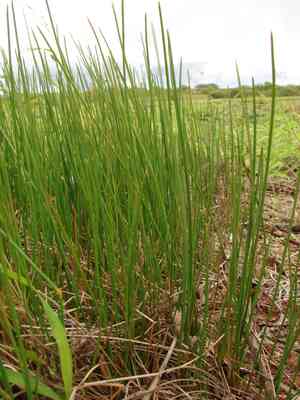
Eleocharis (Eleocharis) (Eleocharis)
Also known as: Spikerush, Eleocharis
Eleocharis, known as spikerushes, are typically perennial or annual herbs most commonly located in wetland areas. They often grow along the edges of ponds, lakes, streams, and marshes, thriving in moist, saturated soils. Some species are also cultivated for use in aquatic gardens due to their distinctive bract-like spikelets.
In This Article
Attributes of Eleocharis (Eleocharis)
Lifespan
Annual or perennial
Plant Height
5-100 cm, depending on the species
Spread
Individual stems up to 1 cm in diameter; clumps can spread up to 1 meter or more
Leaf Color
Green, though stems are typically the prominent feature
Flower Size
1-3 mm
Flower Color
Brownish to greenish
Images of Eleocharis (Eleocharis)
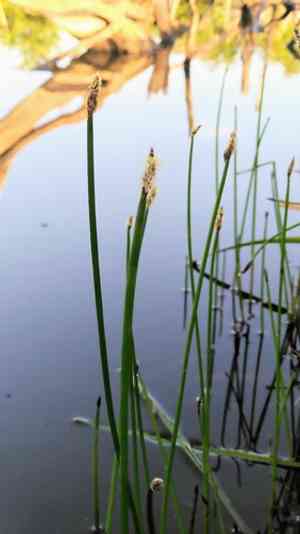
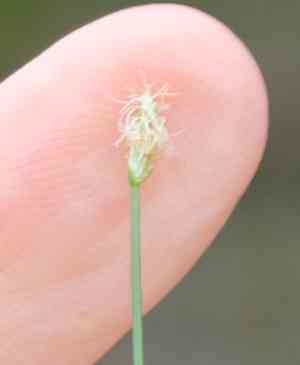
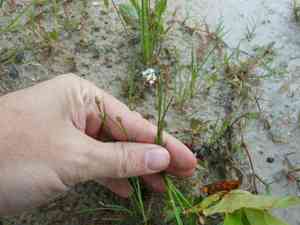
Quickly Identify Eleocharis (Eleocharis)
1
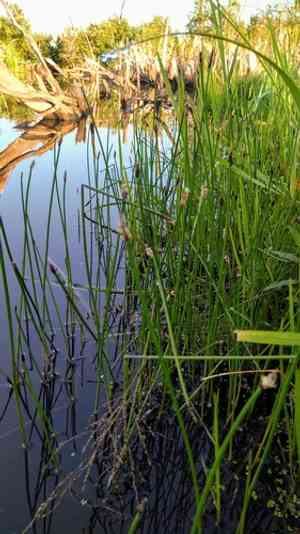
Eleocharis can be identified by their slender, cylindrical stems that are usually leafless except for a basal sheath. The spikes are small, cylindrical, and located at the tip of the stems. They often grow in dense clumps or colonies.
Scientific Classification of Eleocharis (Eleocharis)
Phylum
Magnoliophyta
Class
Liliopsida
Order
Poales
Family
Cyperaceae
Genus
Eleocharis
Planting and Growing of Eleocharis (Eleocharis)
Care Difficulty
Easy
Watering Schedule
Every 8 days
Sunlight Requirements
Partial sun
Sunshine Duration
6-10 hours
Ideal Temperature
70-85℉
Soil Type
Potting Mix, Peat Mix
Soil pH
5-7.5
Fertilizer Type
Balanced
Pruning Season
Spring, Summer
Pruning Area
Branches, Leaves
Pruning Frequency
2 times a year
Repotting Season
Spring
Pot Type
Plastic, Ceramic
 How to Water Eleocharis (Eleocharis)?
For Eleocharis, you should aim for a watering amount of about 100 ml per session, allowing the soil surface to remain consistently damp but not waterlogged. Opt for a balance that simulates its native marshy habitat.
What are the symptoms of an underwatered Eleocharis (Eleocharis)?
›
What should I do if my Eleocharis (Eleocharis) is not getting enough water?
›
What are the symptoms of an overwatered Eleocharis (Eleocharis)?
›
How to save an overwatered Eleocharis (Eleocharis)?
›
 What Are the Sunlight Requirements for Eleocharis (Eleocharis)?
Eleocharis benefits from partial sun, ideally basking in 4-6 hours of indirect sunlight per day. This light exposure supports its growth by enabling optimal photosynthesis and maintaining its lush appearance.
What is the optimal light for Eleocharis?
›
How to achieve this optimal lighting?
›
Benefits of optimal sunlight for Eleocharis?
›
 What Is the Ideal Temperature Range for Eleocharis (Eleocharis)?
The ideal temperature range for growing Eleocharis is between 70°F and 85°F. Maintaining this range is crucial for optimal growth and development. In this range, the plant can efficiently perform photosynthesis, ensuring healthy and vibrant foliage.
 What Soil is Best for Eleocharis (Eleocharis)?
Eleocharis thrives in moist environments and requires soil that can retain sufficient moisture. This ensures the plant has a consistent water supply, facilitating healthy growth and lush green foliage. Soil with ample organic matter is crucial as it provides essential nutrients that support the robust growth of Eleocharis. The presence of decayed plant material enhances soil fertility, promoting vigorous development. While Eleocharis likes moisture, it also needs well-drained soil to prevent waterlogging. Proper drainage helps prevent root rot and promotes a healthy root system, ensuring the plant's longevity.
 How to Fertilize Eleocharis (Eleocharis)?
When it comes to fertilizing Eleocharis, applying a mild, balanced fertilizer is ideal. Use a 1/4 strength liquid fertilizer solution every two weeks during active growth periods. For slow-release types, a handful around the plant once every four months should suffice. Avoid over-fertilization as it might cause nutrient burns.
 How to Prune Eleocharis (Eleocharis)?
Before you begin pruning Eleocharis, ensure that you have the right tools and that they are sanitized to prevent infections. It's also important to work in a clean area with sufficient light so you can see the structure of the plant clearly. Wearing gloves can protect your hands from sharp stem edges. Furthermore, familiarize yourself with the plant's growth pattern to avoid unnecessary stress on specific sections. After completing your pruning task on Eleocharis, it's crucial to water the plant adequately to assist in its recovery. Check for any signs of stress or infection in the following days and adjust environmental conditions to support healthy regrowth. Providing proper nutrition through a balanced fertilizer can also enhance the plant's resilience and stimulate new growth.
 How to Propagate Eleocharis (Eleocharis) plant?
1
Begin by water the Eleocharis plant thoroughly one or two days in advance to make the division process easier and less stressful for the plant. Ensure the plant is healthy and pest-free before proceeding with division.
2
Carefully lift the plant using a garden spade, and separate the clumps into smaller sections, each with its roots intact. This ensures that each division has a robust root system, improving survival rates.
3
Evenly distribute the Eleocharis seeds over the soil surface in seed trays and lightly cover them with a fine layer of soil. Maintain consistent moisture by misting the seeds with water until germination occurs.
 How to Repot Eleocharis (Eleocharis) plant?
1
You should consider repotting Eleocharis when you notice the roots growing out of the drainage holes or becoming root-bound. If the plant's growth has slowed considerably, it's a signal for a bigger pot. Ideally, aim to repot in spring or early summer when the plant actively grows, ensuring swift recovery and adaptation.
2
Select a pot that is slightly larger than the current one, with ample drainage holes to prevent water accumulation. Terracotta pots are excellent as they allow for better moisture regulation, contributing to a healthy root system.
3
Opt for moist, nutrient-rich garden soil that retains moisture well yet provides excellent drainage. This soil type nurtures Eleocharis, supporting its lush growth and water-loving nature while preventing root rot.

