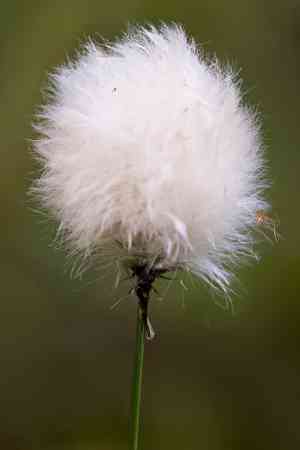
Yellow spikerush (Eleocharis flavescens)
Also known as: Yellow Spikerush, Yellow Cyperus
Yellow spikerush is a perennial wetland plant recognized for its tufted, cylindrical, grass-like stems rising from shallow waters. It exhibits a pale green to yellowish hue during its blooming season. Thriving in marshy areas with varying water levels, this plant's slender stems and tiny, subtle flowers, typically blooming in warmer months, make it distinguishable among other aquatic vegetation.
In This Article
Attributes of Yellow spikerush
Lifespan
Perennial
Plant Type
Grass
Plant Height
2.5 cm to 13 cm
Spread
Not applicable
Leaf Color
N/A (no prominent leaves)
Flower Size
Small, inconspicuous
Flower Color
Yellowish-green
Images of Yellow spikerush
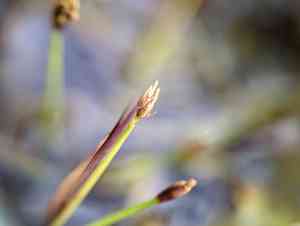
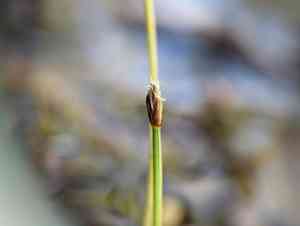
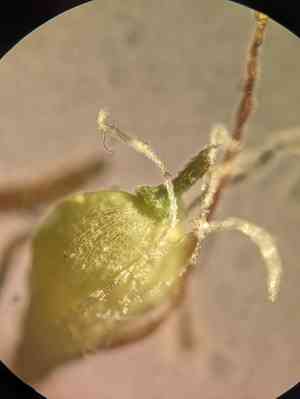
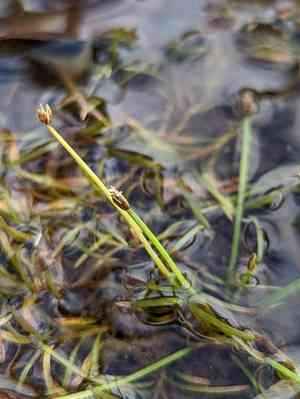
Quickly Identify Yellow spikerush
1
To identify Eleocharis flavescens, look for thin, erect stems that are bright green to yellowish in color. The plant often grows in clumps and lacks obvious leaves, making it distinguishable from other sedges and rushes.
Scientific Classification of Yellow spikerush
Phylum
Vascular plants
Class
Monocotyledons
Order
Poales
Family
Sedge
Genus
Eleocharis
Species
Yellow spikerush
Planting and Growing of Yellow spikerush
Care Difficulty
Easy
Watering Schedule
Every 8 days
Sunlight Requirements
Partial sun
Sunshine Duration
4-8 hours
Ideal Temperature
70-85℉
Soil Type
Potting Mix, Peat Mix
Soil pH
6.5-7.5
Fertilizer Type
Balanced
Pruning Season
Spring, Summer
Pruning Area
Branches, Leaves
Pruning Frequency
2 times a year
Repotting Season
Spring
Pot Type
Plastic, Ceramic
 How to Water Yellow spikerush?
Eleocharis flavescens thrives in moist conditions, requiring about 200 ml of water per session. Water deeply until the soil is thoroughly saturated but avoid standing water. Ensure drainage is optimal to prevent root rot.
What are the symptoms of an underwatered Yellow spikerush?
›
What should I do if my Yellow spikerush is not getting enough water?
›
What are the symptoms of an overwatered Yellow spikerush?
›
How to save an overwatered Yellow spikerush?
›
 What Are the Sunlight Requirements for Yellow spikerush?
Partial sun exposure ensures Eleocharis flavescens maintains vibrant foliage and steady growth. It provides the necessary light for photosynthesis without risking damage from overexposure.
Optimal Sun Exposure
›
Adjusting Light Angle
›
Sunlight Schedule
›
 What Is the Ideal Temperature Range for Yellow spikerush?
Eleocharis flavescens thrives best in a temperature range between 70°F and 85°F. These temperatures mimic the warm, temperate climates the plant is native to. The warmth supports active growth, photosynthesis, and nutrient absorption, making it an ideal condition for vigorous health and reproduction.
 What Soil is Best for Yellow spikerush?
Eleocharis flavescens thrives in soils that retain moisture well while still providing adequate drainage. A moist soil environment supports vigorous growth, particularly in the plant's root system, which is essential for its stability and nutrient uptake. Rich in organic matter, this plant prefers soil laden with nutrients. This helps in providing a stable growth rate and maintaining the vibrant color of its stalks, which is pivotal for its aesthetic and functional purpose in aquatic landscapes. The soil should allow for good air circulation, essential for root respiration. This not only supports healthy roots but also reduces the risk of soil-borne diseases, ensuring the overall health of Eleocharis flavescens.
 How to Fertilize Yellow spikerush?
For Eleocharis flavescens, use a liquid fertilizer at half the recommended strength for most aquatic plants. Apply about 5 ml per gallon of water. Ensure the fertilizer is diluted properly to prevent any root damage. Over-fertilization can cause root burn, so it is better to err on the side of caution.
 How to Prune Yellow spikerush?
Start by identifying any yellowed or brown stems among your Eleocharis flavescens. These indicate areas that may no longer be active or healthy. Using sharp pruning shears, cut these stems as close to the base as possible to encourage new growth in their place. After removing dead stems, address overcrowded sections. Thin out areas where growth is particularly dense to promote brighter foliage and bushier growth. This also allows for light and air to reach all parts of the plant efficiently.
 How to Propagate Yellow spikerush plant?
1
Select healthy and mature clumps of Eleocharis flavescens that have sufficient growth, indicating their readiness for division, to ensure that each division will thrive.
2
Using a garden spade, carefully dig up the entire clump without disturbing or damaging the roots, to facilitate easier division into smaller sections.
3
With clean pruning shears, divide the main clump into smaller, healthy sections, ensuring each new division has a good amount of root and shoot for successful growth.
 How to Repot Yellow spikerush plant?
1
Eleocharis flavescens should be repotted when you notice roots growing out of drainage holes, or when its growth slows noticeably. Spring, when the plant is naturally preparing for active growth, is the ideal time to ensure it adapts well to its new environment.
2
Select a pot that is slightly larger than the current one to encourage root development. Ideally, choose a pot with good drainage capabilities to prevent waterlogging, which can be detrimental. A well-ventilated pot encourages healthy root and plant growth.
3
Opt for a moist, acidic substrate that closely mimics the plant’s natural wetland habitat. Such conditions ensure optimal growth and hydration, helping maintain the plant's lush greenness and vitality.
Learn More About Yellow spikerush Diseases
Anthracnose
Bacterial Leaf Spot
Bacterial Soft Rot
Bacterial Wilt
Damping-off
Downy Mildew
Drought Stress
Fusarium Wilt
Gray Mold
Leaf Spot
Mosaic
Nutrient Deficiency
Nutrient Toxicity
Powdery Mildew
Root Rot
Root-knot Nematode
Rusts
Sooty Mold
Spider Mites
Temperature Stress
Thrips Damage
White Mold



