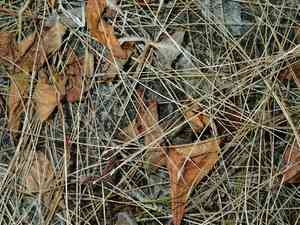
Bald spikerush (Eleocharis erythropoda)
Also known as: Red-rooted spikesedge
Bald spikerush (Eleocharis ovata) is a small, perennial sedge that prospers in wetland habitats. It exhibits a clumped growth pattern with thin, cylindrical stems and minimal leaves, which appear as sheaths at the base. The plant produces small, brownish spikelets and is identifiable by its reddish stem base. Its compact structure makes it ideal for the waterlogged soils of marshes and ponds.
In This Article
Attributes of Bald spikerush
Lifespan
Perennial
Plant Type
Grass
Plant Height
8 cm to 76 cm
Spread
The plant forms clumps rather than having a crown, so diameter can vary.
Leaf Color
Not applicable, as leaves are minimal or absent.
Flower Size
1-2 mm
Flower Color
White Yellow Brown
Images of Bald spikerush
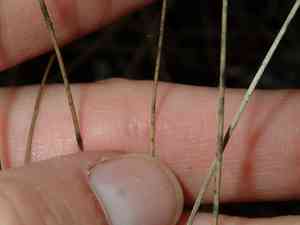
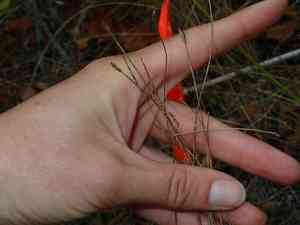
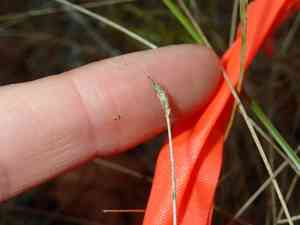
Quickly Identify Bald spikerush
1
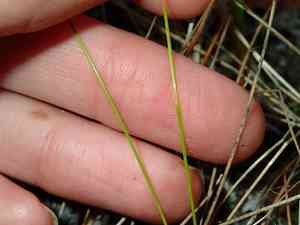
This plant can be identified by its cylindrical, hollow stems that have a reddish tint at the base. The stems are typically leafless or with minimal leaf structures. It has small, inconspicuous flowers clustered at the top of the stems.
Scientific Classification of Bald spikerush
Phylum
Vascular plants
Class
Monocotyledons
Order
Poales
Family
Sedge
Genus
Eleocharis
Species
Bald spikerush
Planting and Growing of Bald spikerush
Care Difficulty
Easy
Watering Schedule
Every 4 days
Sunlight Requirements
Full sun
Sunshine Duration
6-10 hours
Ideal Temperature
60-75℉
Soil Type
Potting Mix, Peat Mix
Soil pH
6.5-7.5
Fertilizer Type
Balanced
Pruning Season
Spring, Summer
Pruning Area
Branches, Leaves
Pruning Frequency
Once a year
Repotting Season
Spring
Pot Type
Plastic, Ceramic
 How to Water Bald spikerush?
When watering Eleocharis erythropoda, aim to keep the soil consistently moist but not waterlogged. Water the plant thoroughly until water drains out of the pot's bottom, ensuring even moisture distribution throughout the root zone. This typically requires about 250 ml of water per session.
What are the symptoms of an underwatered Bald spikerush?
›
What should I do if my Bald spikerush is not getting enough water?
›
What are the symptoms of an overwatered Bald spikerush?
›
How to save an overwatered Bald spikerush?
›
 What Are the Sunlight Requirements for Bald spikerush?
Half-day sun is ideal. It ensures that Eleocharis erythropoda receives enough light for energy and growth without risking leaf scorch, supporting vibrant and healthy growth.
How much light does it need?
›
What is the best way to provide ideal lighting?
›
Why is ideal lighting important?
›
 What Is the Ideal Temperature Range for Bald spikerush?
For Eleocharis erythropoda, the ideal temperature range is between 60°F and 75°F. Within this range, the plant can effectively perform photosynthesis and maintain metabolic functions. Ensuring temperatures stay in this range will promote healthy growth and vibrant foliage.
 What Soil is Best for Bald spikerush?
Eleocharis erythropoda thrives in soils that retain moisture. Wetland environments or consistently moist garden beds are ideal. This requirement ensures the plant's roots remain hydrated and helps it flourish in its natural habitat, supporting vigorous growth. This plant favors soils rich in organic matter. An abundance of nutrients promotes its lush vegetative growth and vibrant appearance. Compost or organic fertilizers can be added to boost nutrient content, thereby enhancing the plant's health and vigor. Although moisture retention is critical, good drainage is equally important to prevent waterlogging. The soil must allow excess water to filter away quickly to avoid root rot, which is common in overly saturated conditions, thus maintaining plant health.
 How to Fertilize Bald spikerush?
For Eleocharis erythropoda, it is crucial to provide a balanced nutrient environment. Typically, use a half-strength liquid fertilizer solution, about 1 tsp per gallon of water. Ensure you don't overdo it, as this plant thrives on a subtle nutrient supply.
 How to Prune Bald spikerush?
Look for brown or yellowing stems at the base of the plant. Carefully separate these from healthy, green stems before proceeding with the cut. This focus on dying parts enhances the plant's energy efficiency by redirecting nutrients to more vibrant areas. Cut back the tips of overgrown stems to promote greater density. This can help manage the plant's spread and ensure a more compact, controlled appearance. It's best done in combination with a strategic fertilization plan to boost vigorous growth. Collect and discard pruned material far from the plant site to prevent rot and pest infestations. Composting is an option if the material does not carry any disease, thereby recycling nutrients back into your gardening routine.
More About Pruning Techniques→
 How to Propagate Bald spikerush plant?
1
Before dividing, select a healthy Eleocharis erythropoda clump and water it thoroughly a day before to ensure the soil is soft. This helps in easy removal of the plant with minimal root damage.
2
Using a sharp spade, carefully dig around the plant and lift the whole clump. Gently separate the clump into smaller sections, making sure each piece has a healthy root system and some shoots.
3
Dig new holes where you want to plant the divided sections, ensuring each is at the same depth as they were originally growing. Fill the holes with soil, and water them thoroughly to settle the soil around the roots.
 How to Repot Bald spikerush plant?
1
Eleocharis erythropoda should be repotted when you notice that the plant is becoming root-bound with roots visible through drainage holes. Additionally, if you see a significant slowdown in growth or the soil deteriorating, it is time to repot.
2
Choose a pot that is about 1-2 inches larger in diameter than the current one. Ensure it has adequate drainage holes to prevent waterlogging, which is critical for this aquatic-loving plant. The new pot should also offer stability to support the plant as it grows taller.
3
Opt for a high-quality peat-based soil that retains moisture yet offers good aeration. This soil type supports the plant's preference for a water-rich environment while preventing root rot.
Learn More About Bald spikerush Diseases
Anthracnose
Bacterial Leaf Spot
Bacterial Soft Rot
Bacterial Wilt
Chemical Injury
Damping-off
Drought Stress
Fusarium Wilt
Gray Mold
Leaf Spot
Mosaic
Nutrient Deficiency
Nutrient Toxicity
Powdery Mildew
Root Rot
Root-knot Nematode
Rusts
Sooty Mold
Spider Mites
Temperature Stress
Thrips Damage
White Mold



