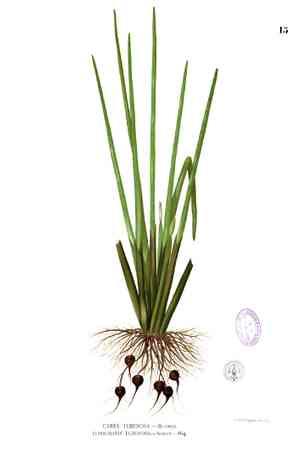
Chinese water chestnut (Eleocharis dulcis)
Also known as: Chinese water chestnut, water chestnut, matai
Chinese water chestnuts are cultivated in many regions, making it difficult to pinpoint their exact origin. They can be enjoyed in various ways, including:
1. **Raw**: Peeled and eaten as a crisp, refreshing snack.
2. **Boiled**: Cooked and added to soups or salads.
3. **Grilled**: Grilled for a smoky flavor and crunchy texture.
In This Article
Attributes of Chinese water chestnut
Lifespan
Perennial, Annual
Plant Type
Herb
Plant Height
1 m
Spread
30 cm to 90 cm
Leaf Color
Bright green stems (leaves are reduced)
Flower Size
N/A (inconspicuous)
Flower Color
Greenish-brown (spikelets)
Images of Chinese water chestnut
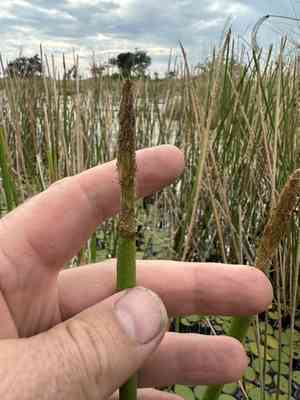
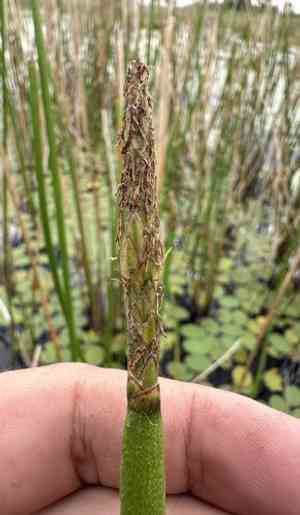
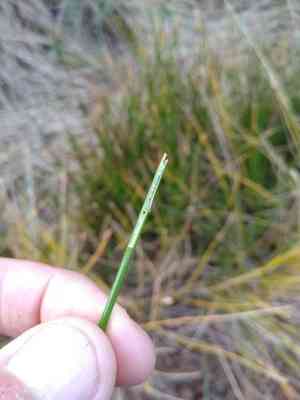
Quickly Identify Chinese water chestnut
1
Smooth, cylindrical stems reach 2-3 feet (60-90 cm) in height.
2
Small flower spikes crown the tops of stems in summer.
3
Subterranean parts develop rounded, edible corms with crisp white interior.
4
Fruit is drop-shaped, creamy white, and firm to the touch.
5
Greyish-green culms are erect, hollow, and do not branch.
Scientific Classification of Chinese water chestnut
Phylum
Vascular plants
Class
Monocotyledons
Order
Grasses, sedges and allies
Family
Sedge
Genus
Eleocharis
Species
Chinese water chestnut
Planting and Growing of Chinese water chestnut
Care Difficulty
Easy
Watering Schedule
Every 8 days
Sunlight Requirements
Full sun
Sunshine Duration
6-10 hours
Ideal Temperature
77-86℉
Soil Type
Potting Mix, Peat Mix
Soil pH
6.5-7.5
Fertilizer Type
Balanced
Pruning Season
Spring, Summer
Pruning Area
Branches, Leaves
Pruning Frequency
2 times a year
Repotting Season
Spring
Pot Type
Plastic, Ceramic
 How to Water Chinese water chestnut?
The water amount for Eleocharis dulcis should be sufficient to keep the soil consistently soggy. Ideally, you need to provide around 500 milliliters each session. Water until the excess begins to seep out of the drainage holes, ensuring the entire root system receives adequate moisture.
What are the symptoms of an underwatered Chinese water chestnut?
›
What should I do if my Chinese water chestnut is not getting enough water?
›
What are the symptoms of an overwatered Chinese water chestnut?
›
How to save an overwatered Chinese water chestnut?
›
 What Are the Sunlight Requirements for Chinese water chestnut?
Eleocharis dulcis flourishes under full to partial sunlight. Adequate light enhances photosynthesis leading to stronger, healthier growth and more vibrant foliage.
More About Sunlight Requirements Techniques→
How to Achieve Ideal Lighting Conditions?
›
What are the Steps to Ensure Proper Lighting?
›
Benefits of Ideal Lighting
›
 What Is the Ideal Temperature Range for Chinese water chestnut?
Eleocharis dulcis thrives best at temperatures ranging from 77°F to 86°F. This range ensures optimal metabolic activities, facilitating proper growth and development. Maintaining these temperatures aids in balanced enzymatic activity and nutrient absorption essential for the plant's vitality.
 What Soil is Best for Chinese water chestnut?
Eleocharis dulcis requires soil that can retain moisture effectively. This helps the plant thrive and ensures that the roots have a consistent supply of water, reducing the stress due to potential dehydration. Nutrient-rich soil ensures that Eleocharis dulcis receives adequate nutrition for optimal growth. A balance of macronutrients in the soil promotes healthy stem and leaf development, enhancing the plant's overall vigor. Good soil aeration ensures that oxygen can reach the roots of Eleocharis dulcis efficiently. This is crucial for cellular respiration and helps in the prevention of root diseases caused by anaerobic conditions.
 How to Fertilize Chinese water chestnut?
For Eleocharis dulcis, the fertilizer amount should be moderate. Liquid fertilizers are typically diluted to half their strength to avoid burning the roots. Use approximately 1 teaspoon per gallon of water for liquid fertilizers, ensuring even distribution across the soil. Solid fertilizers should follow the manufacturer's guidelines, often around 2 pounds per 100 square feet.
 How to Prune Chinese water chestnut?
For pruning Eleocharis dulcis, you will need a pair of sharp scissors or garden shears. These tools help you make clean cuts, reducing stress on the plant. Ensure your tools are sterilized to prevent any infections or diseases. Examine the plant for any dead, diseased, or overcrowded stems. Focus on those that are yellowing or have stopped producing leaves. Pruning these stems will encourage new growth and allow more light to penetrate the inner parts of the plant. Carefully cut back excess growth, focusing on removing the oldest and most crowded stems. Make your cuts at an angle to prevent water from sitting on the cut surface, which can lead to rot. Aim to remove no more than one-third of the plant at any time to avoid shock. Safely dispose of the pruned plant material by composting or discarding it. Avoid leaving it near the plant as it might harbor pests or diseases that could spread back to healthy growth.
More About Pruning Techniques→
 How to Propagate Chinese water chestnut plant?
1
Choose mature and healthy tubers for division. Ensure the selected tubers have visible 'eyes' or growth nodules, as they are likely to sprout successfully and establish new plants.
2
Prepare the planting area by ensuring the soil is well-drained and rich in organic matter. The site should receive ample sunlight, as Eleocharis dulcis thrives in warm and bright conditions.
3
Dig up the plant carefully with a spade and split the rhizomes or tubers into smaller sections. Plant each section approximately 12 inches apart, at a depth similar to their previous position.
 How to Repot Chinese water chestnut plant?
1
Repotting Eleocharis dulcis is best when you notice the plant is root-bound, meaning roots are growing out of the drainage holes or circling densely in the pot. Spring or early summer is optimal because the plant is actively growing, which helps it recover better from repotting stress. Avoid repotting if the plant is flowering, as this can disrupt its blooming process.
2
Select a pot that is 2-3 inches wider than the current one to provide enough space for root growth without overwhelming the plant. A pot with drainage holes is essential to prevent water-logging. Ceramic or clay pots are preferable because they allow better air circulation around the roots, reducing the risk of root rot.
3
Opt for a rich, loamy soil mix that retains some moisture but also drains well, as Eleocharis dulcis likes wet feet but not soggy roots. Adding a bit of organic matter such as compost can enhance nutrient content, promoting healthy plant growth and development.



