
Spikerush (Eleocharis congesta)
Also known as: None
Horsetail (Equisetum spp.) features dark green, cylindrical stems emerging from rhizomes and is well-suited for wet, marshy areas. This ancient plant thrives in standing water and fluctuating moisture conditions, often forming dense clusters without the need for flowers. Its unique appearance and adaptability make it a common sight in marshes and other damp habitats.
In This Article
Attributes of Spikerush
Lifespan
Annual
Plant Type
Grass
Plant Height
6 cm to 20 cm
Spread
Not applicable
Leaf Color
Green
Flower Size
4 mm to 6 mm
Flower Color
Yellow Brown
Images of Spikerush

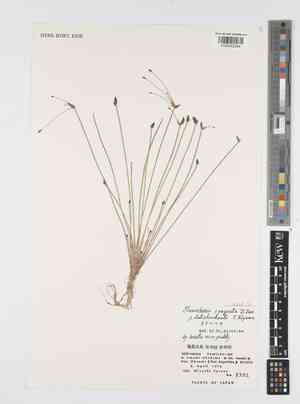
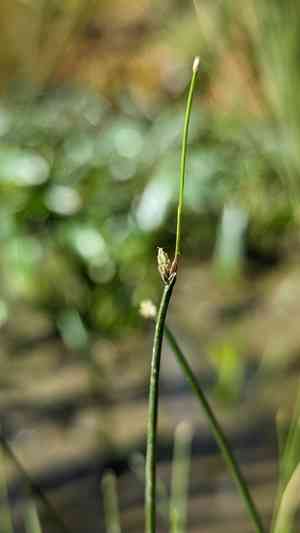
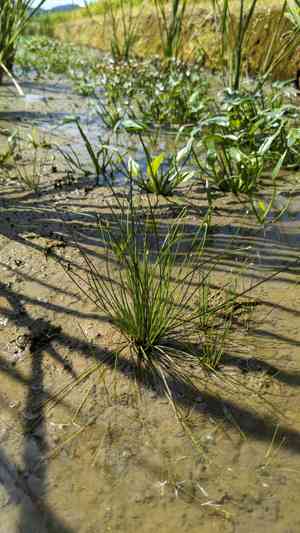
Quickly Identify Spikerush
1
Eleocharis congesta can be identified by its dense clumps of fine, cylindrical, and erect stems. These stems are typically green and can grow up to 40 cm tall. The plant lacks traditional leaves, having reduced them to sheaths around the stems.
Scientific Classification of Spikerush
Phylum
Vascular plants
Class
Monocotyledons
Order
Poales
Family
Sedge
Genus
Eleocharis
Species
Spikerush
Planting and Growing of Spikerush
Care Difficulty
Easy
Watering Schedule
Every 2 days
Sunlight Requirements
Partial sun
Sunshine Duration
4-10 hours
Ideal Temperature
65-75℉
Soil Type
Potting Mix, Peat Mix
Soil pH
6.5-7.5
Fertilizer Type
Balanced
Pruning Season
Spring, Summer
Pruning Area
Branches, Leaves
Pruning Frequency
2 times a year
Repotting Season
Spring
Pot Type
Plastic, Ceramic
 How to Water Spikerush?
Eleocharis congesta requires a delicate balance when it comes to watering. Each watering session should ideally involve around 150 ml of water. The key is to ensure that the soil is moist but not waterlogged. This amount helps maintain the right level of hydration without overwhelming the plant's root system.
What are the symptoms of an underwatered Spikerush?
›
What should I do if my Spikerush is not getting enough water?
›
What are the symptoms of an overwatered Spikerush?
›
How to save an overwatered Spikerush?
›
 What Are the Sunlight Requirements for Spikerush?
Eleocharis congesta ideally requires partial sun to full sun conditions. Exposure within this range encourages optimal growth through photosynthesis, improving both its aesthetics and resilience.
What is the ideal light condition for Eleocharis congesta?
›
How can you achieve the ideal light conditions?
›
What are the benefits of receiving ideal light conditions?
›
 What Is the Ideal Temperature Range for Spikerush?
The ideal temperature range for Eleocharis congesta spans from 65°F to 75°F. This range provides the optimal environmental conditions that support healthy growth and vibrant foliage. Within this temperature range, the plant can efficiently carry out photosynthesis, leading to robust development and resilience against pests and diseases.
 What Soil is Best for Spikerush?
Eleocharis congesta thrives in soils that retain moisture well. Such soils provide continuous hydration, crucial for the plant's development and resilience during drier periods. Rich, nutrient-dense soils enhance the growth and vibrancy of Eleocharis congesta by supplying essential minerals, promoting robust cellular functions and healthy development. Well-aerated soils prevent root suffocation and promote healthy gas exchange, ensuring that Eleocharis congesta roots can breathe and absorb nutrients efficiently without waterlogging.
 How to Fertilize Spikerush?
When fertilizing Eleocharis congesta, apply approximately 1/4 strength of a balanced liquid fertilizer for aquatic plants. Excessive fertilizer can lead to rapid algae growth and should be avoided to maintain water balance and plant health.
 How to Prune Spikerush?
Begin by identifying any brown, damaged, or dead stems. Focus on these areas first, as removing unhealthy portions helps in promoting new growth. Additionally, look for overcrowded areas where thinning would improve air circulation. Make clean, angled cuts just above a node or a healthy leaf to ensure swift healing and new growth. Avoid cutting too close to the base to prevent damage to the primary plant structure. If thinning, remove entire stems rather than just trimming leaf tips.
More About Pruning Techniques→
 How to Propagate Spikerush plant?
1
Gather seeds from mature Eleocharis congesta plants post-blossom. Ensure the seeds are fully developed, as immature seeds may fail to germinate. Cleaning seeds before sowing can prevent mold and disease.
2
Spread seeds evenly on prepared seed trays filled with quality potting mix. Ensure seeds are lightly covered with soil to allow for proper moisture retention and aeration, promoting successful germination.
3
Divide clumps of Eleocharis congesta in early spring or late summer when the plant is not actively growing. This minimizes stress, allowing the plant to establish quickly when replanted in suitable conditions.
 How to Repot Spikerush plant?
1
Repot Eleocharis congesta when you notice roots growing out of the drainage holes or circling around the root ball. This indicates that the plant is root-bound and needs more space to grow.
2
Choose a pot that is one size larger than the current one, preferably with adequate drainage holes. This prevents waterlogging, ensures better root health, and provides the plant with enough space to thrive.
3
Use a loamy, well-draining soil mix that retains moisture yet allows excess water to escape. This type of soil supports healthy root growth and prevents the roots from becoming waterlogged, reducing the risk of root rot.
Learn More About Spikerush Diseases
Anthracnose
Bacterial Leaf Spot
Bacterial Soft Rot
Bacterial Wilt
Damping-off
Downy Mildew
Drought Stress
Fusarium Wilt
Gray Mold
Leaf Spot
Mosaic
Nutrient Deficiency
Nutrient Toxicity
Powdery Mildew
Root Rot
Root-knot Nematode
Rusts
Sooty Mold
Spider Mites
Temperature Stress
Thrips Damage
White Mold



