Woodland elaeocarpus(Elaeocarpus sylvestris)

Woodland elaeocarpus (Elaeocarpus sylvestris)

Also known as: Central Himalayan Blueberry

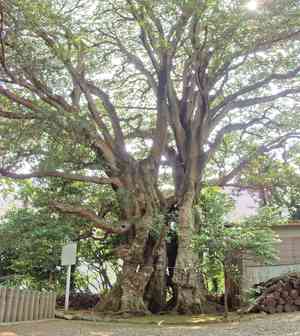
The woodland elaeocarpus (Elaeocarpus sylvestris) is an evergreen tree reaching heights of 15-20 meters (50-65 feet). Native to East Asia, it is particularly common in Japan, Korea, and China. This long-lived species can thrive for several decades, with some specimens living up to 150 years.

**Characteristics:**
- **Height:** Typically grows between 15-20 meters.
- **Leaves:** The foliage is glossy and lanceolate, turning vibrant shades of red or orange in autumn.
- **Flowers:** Blooms in spring with small, fragrant flowers that are white to pale yellow.
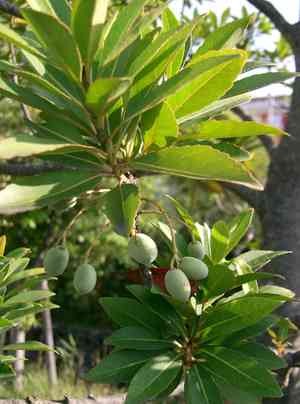
- **Fruit:** Produces blue, olive-like drupes in autumn, which are not commonly noted for edibility.

**Growing Conditions:**
- **Light:** Thrives best in full sun to partial shade.
- **Soil:** Prefers well-draining, fertile soil, with a slightly acidic to neutral pH.
- **Water:** Needs consistent moisture, keeping the soil moderately moist without becoming waterlogged.
- **Temperature:** Hardy in USDA zones 7-9, it can tolerate mild frost but prefers milder climates.
- **Wildlife:** Attracts pollinators such as butterflies and bees.

This tree is valued in ornamental landscaping for its attractive foliage, fragrant flowers, and the seasonal color change in its leaves.

Attributes of Woodland elaeocarpus

Lifespan
Perennial
Plant Type
Tree
Plant Height
15 m
Spread
6 m to 9 m
Leaf Color
Green
Flower Size
4 cm to 6 cm
Flower Color
White Green

ForwardPlant - Identify plants with a snap

Identify and diagnose plants, get toxicity alerts, and explore safety guides for all types of fungi.

Try for Free

Images of Woodland elaeocarpus

Woodland elaeocarpus(Elaeocarpus sylvestris)

Quickly Identify Woodland elaeocarpus

1
Elaeocarpus sylvestris can be identified by its glossy, dark green leaves with serrated edges, clusters of small white to pale pink flowers, and small, blue, drupe-like fruits. The tree has a spreading crown and smooth, grayish bark.

Scientific Classification of Woodland elaeocarpus

Phylum
Vascular plants
Class
Dicotyledons
Order
Woodsorrels, quandongs, and allies
Family
Elaeocarpus
Genus
Elaeocarpus
Species
Woodland elaeocarpus

Planting and Growing of Woodland elaeocarpus

Care Difficulty
Easy
Watering Schedule
Every 2 days
Sunlight Requirements
Partial sun
Sunshine Duration
4-8 hours
Ideal Temperature
65-77℉
Soil Type
Potting Mix, Peat Mix
Soil pH
6.5-7.5
Fertilizer Type
Balanced
Pruning Season
Spring, Summer
Pruning Area
Branches, Leaves
Pruning Frequency
Once a year
Repotting Season
Spring
Pot Type
Terracotta, Plastic

water icon How to Water Woodland elaeocarpus?

Elaeocarpus sylvestris prefers consistent moisture without becoming waterlogged. The golden rule is to thoroughly soak the soil until water drains out from the bottom of the pot. This ensures deep root hydration. Avoid letting the plant sit in excess water as it can lead to root rot.
What are the symptoms of an underwatered Woodland elaeocarpus?
What should I do if my Woodland elaeocarpus is not getting enough water?
What are the symptoms of an overwatered Woodland elaeocarpus?
How to save an overwatered Woodland elaeocarpus?

sunlight icon What Are the Sunlight Requirements for Woodland elaeocarpus?

Sunlight Requirements: Partial sun
Duration of light: 4-6 hours daily
Elaeocarpus sylvestris prefers partial sunlight conditions. It benefits from around four to six hours of sunlight each day, which supports robust growth and vibrant leaf color.
What is the optimal light condition for Elaeocarpus sylvestris?
How can you achieve ideal lighting for this plant?
What benefits does the plant gain from ideal lighting?
More About Sunlight Requirements Techniques

temperature icon What Is the Ideal Temperature Range for Woodland elaeocarpus?

Ideal Temperature: 65 ~ 77℉
Elaeocarpus sylvestris thrives best in climates where temperatures consistently range from 65°F to 77°F. Within this range, the metabolic and photosynthetic processes of the plant operate optimally, supporting healthy growth and development. Achieving these conditions often involves controlled environments, especially in regions where such temperatures are not naturally occurring throughout the year.

soil icon What Soil is Best for Woodland elaeocarpus?

Soil type: Loam, Sandy loam
Soil PH: 6.5 ~ 7.5
Elaeocarpus sylvestris thrives in soils that are nutrient-rich, allowing it to grow robustly with dense foliage. Such soil supports microbial activity, further boosting nutrient cycling and plant health. Good drainage is crucial for this plant to prevent root rot, as excess water can suffocate the roots. Well-drained soil also ensures that oxygen reaches the roots, promoting vigorous growth. While drainage is important, the soil should retain enough moisture to support this species' water needs, especially in dry periods. This balance ensures the plant maintains its lush appearance.

fertilize icon How to Fertilize Woodland elaeocarpus?

Fertilizer type: Balanced
For Elaeocarpus sylvestris, an appropriate fertilizer amount ensures robust growth. Typically, use about 1-2 grams of balanced fertilizer for every 10 liters of soil. Adjust quantities based on plant health and environmental conditions to avoid over or under-fertilization.

prune icon How to Prune Woodland elaeocarpus?

Pruning Time: Spring, Summer, Autumn, Winter
Start by identifying any dead or diseased branches and remove them with clean, sharp pruning shears to prevent the spread of disease. Next, focus on branches that cross or are growing inward instead of outward. Make clean cuts at a 45-degree angle, just above a healthy bud or branching point, to encourage outward and upward growth. Remember to step back occasionally to assess the shape and balance of the plant as you prune. More About Pruning Techniques

propagate icon How to Propagate Woodland elaeocarpus plant?

Propagate Time: Early spring,Spring
1
Collect seeds from mature Elaeocarpus sylvestris fruits after they've fallen from the tree. Ensure the seeds are healthy and free from any damages or infections before proceeding to the next step.
2
Select healthy stems that are roughly 6-8 inches long and have at least two nodes. Use a clean, sharp pruning shear to cut the stems at a 45-degree angle to increase the rooting surface area.
3
Place seeds or cuttings into a well-draining potting medium. For seeds, sow them about 1 inch deep and for cuttings, bury at least one node in the soil. Keep the medium consistently moist but not waterlogged.
More About Propagating Techniques

repot icon How to Repot Woodland elaeocarpus plant?

Repotting frequency: Every 2-3 years
1
Elaeocarpus sylvestris tends to show signs that it needs repotting when its roots start to emerge from the soil surface or from drainage holes. This indicates that the container has become too small to accommodate the plant’s growth and root expansion.
2
Select a pot that is 2 inches wider in diameter than the current one, which allows adequate room for root growth. Ensure the pot has drainage holes to prevent waterlogging, which can lead to root rot. Pot material should provide stability and aesthetic appeal.
3
Opt for a well-draining, acidic soil mix that mimics the plant’s natural habitat. This type of soil not only promotes healthy root development but also prevents issues like root rot due to excess water retention, ensuring the long-term health of your Elaeocarpus sylvestris.

ForwardPlant - Identify plants with a snap

Find the best spots for them to optimize their health, simply using your phone.

Try for Free