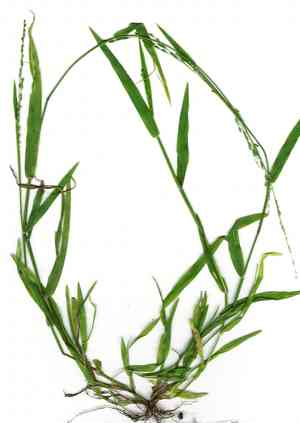
Panic veld grass (Ehrharta erecta)
Also known as: Erect veldtgrass, Lamarck's ehrharta, Upright veldt grass
Panic veld grass, native to Southern Africa, is an invasive grass species now often classified as a weed in many regions. Typically, this perennial grass grows to about 30 to 50 cm in height. However, under optimal conditions, it can reach up to 2 meters.
In This Article
Attributes of Panic veld grass
Lifespan
Perennial
Plant Type
Grass
Plant Height
30 cm to 50 cm
Spread
N/A
Leaf Color
Green
Flower Size
5 cm to 21 cm
Flower Color
Yellow Green Purple
Images of Panic veld grass
Quickly Identify Panic veld grass
1
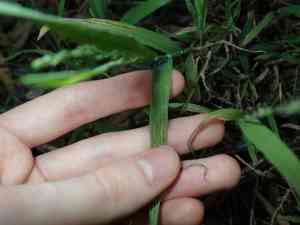
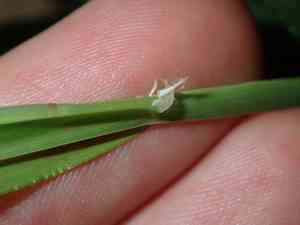
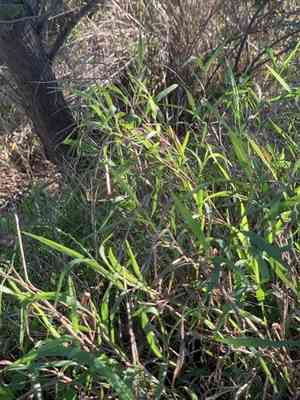
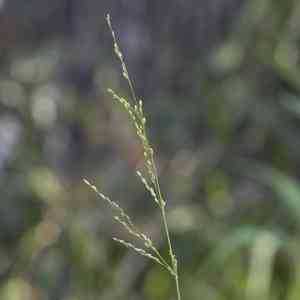
Ehrharta erecta can be identified by its sprawling habit, thin and wiry stems, and narrow leaves. The leaf blades are usually flat or slightly rolled, and the flowering spikelets are small and clustered.
Scientific Classification of Panic veld grass
Phylum
Vascular plants
Class
Monocotyledons
Order
Poales
Family
Grass
Genus
Ehrharta
Species
Panic veld grass
Planting and Growing of Panic veld grass
Care Difficulty
Easy
Watering Schedule
Every 3 days
Sunlight Requirements
Partial sun
Sunshine Duration
6-10 hours
Ideal Temperature
60-75℉
Soil Type
Potting Mix, Peat Mix
Soil pH
6.5-7.5
Fertilizer Type
Balanced
Pruning Season
Spring, Summer
Pruning Area
Branches, Leaves
Pruning Frequency
2 times a year
Repotting Season
Spring
Pot Type
Plastic, Ceramic
 How to Water Panic veld grass?
For Ehrharta erecta, it's essential to provide about 250 milliliters of water each time. The key is to ensure the soil is moist but not waterlogged. Water until you notice moisture seeping from the bottom of the pot, indicating the roots have been adequately reached.
What are the symptoms of an underwatered Panic veld grass?
›
What should I do if my Panic veld grass is not getting enough water?
›
What are the symptoms of an overwatered Panic veld grass?
›
How to save an overwatered Panic veld grass?
›
 What Are the Sunlight Requirements for Panic veld grass?
Partial sun exposure is ideal for Ehrharta erecta, providing 4 to 6 hours of indirect sunlight daily. These conditions support healthy growth and vibrant foliage, as well as a strong resistance to environmental stresses and pest infestations.
What type of sunlight does Ehrharta erecta prefer?
›
How can you ensure optimal sunlight for Ehrharta erecta?
›
What are the benefits of receiving ideal sunlight for Ehrharta erecta?
›
 What Is the Ideal Temperature Range for Panic veld grass?
Ehrharta erecta thrives best in temperatures ranging between 60°F and 75°F. This range ensures optimal enzymatic activity and photosynthesis, promoting healthy growth and vigor. Consistently maintaining these temperatures is key to cultivating robust plants.
 What Soil is Best for Panic veld grass?
Ehrharta erecta thrives in well-drained soil, which prevents waterlogging while facilitating proper root function, essential for nutrient uptake and overall health. This plant benefits from a nutrient-rich soil that supplies essential minerals and enhances growth vigor and resilience against pests. A moderate amount of organic matter aids in improving soil structure and moisture retention, directly contributing to the plant's robust development.
 How to Fertilize Panic veld grass?
Ehrharta erecta requires moderate fertilization. For liquid fertilizers, use a balanced 10-10-10 NPK solution, applying approximately 100 ml per plant every two weeks. For slow-release fertilizers, ensure a coverage of 50 grams per square meter on a quarterly basis. This supports robust growth without overfeeding.
 How to Prune Panic veld grass?
Regularly trim the grass to maintain its shape and prevent it from becoming too invasive. Use sharp shears to cut back the overgrown stems and leaves, ensuring that air and light can reach the base of the plant. Focus on removing any shoots that are spreading beyond the desired area. These can be cut back at ground level to keep the plant in check. This is especially important as Ehrharta erecta can become quite aggressive in growth.
 How to Propagate Panic veld grass plant?
1
Spread the seeds evenly across a prepared seed tray filled with a soil medium. Lightly cover the seeds with a fine layer of soil and mist with water.
2
Carefully dig around the plant with a trowel to lift it from the ground, then divide the root clump into smaller sections, making sure each has healthy roots.
3
Once the seedlings or divided sections have established roots, gently transplant them into larger pots or directly into garden soil, ensuring roots are well-covered.
 How to Repot Panic veld grass plant?
1
Repotting Ehrharta erecta should be undertaken when you notice roots emerging from the drainage holes or the soil surface is being pushed upwards by the growth. This usually indicates that the plant has outgrown its current container. Early spring is ideal as plants naturally enter the growth phase, giving them time to adapt and thrive in a larger pot.
2
When selecting a pot for Ehrharta erecta, opt for one that is only slightly larger than the previous container, as excessively large pots can retain too much moisture and lead to root rot. Choose a pot with drainage holes to help excess water escape, preventing waterlogging and promoting healthy root systems.
3
For Ehrharta erecta, use loamy, well-drained soil that mimics its natural habitat. This ensures adequate nutrients and prevents water retention which can damage roots. A balanced potting mix with compost, sand, and perlite will provide the essential balance of aeration, moisture, and nutrients needed for robust growth.


