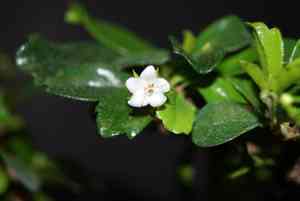
Philippine tea tree (Ehretia microphylla)
Also known as: Fukien tea tree, Kodikarai
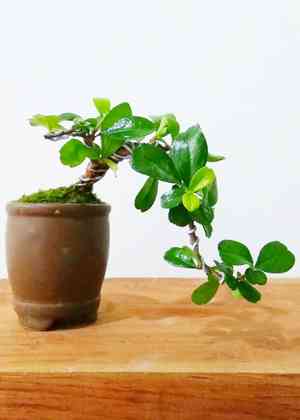
In tropical gardens, the Philippine tea tree is often grown as a hedge or screen shrub due to its dense foliage and appealing white blooms. While it can reach up to 4 meters in the wild, it is also popular as a bonsai, creating a charming miniature tree. This species, native to Asia, has spread extensively in tropical regions and is known to grow invasively in places like Hawaii.
In This Article
Attributes of Philippine tea tree
Lifespan
Perennial
Plant Type
Shrub
Plant Height
1-4 meters
Spread
1-3 meters
Leaf Color
Green
Flower Size
0.5 - 1 cm
Flower Color
White
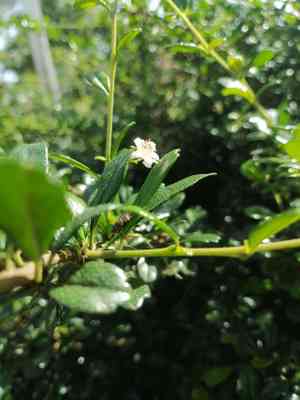
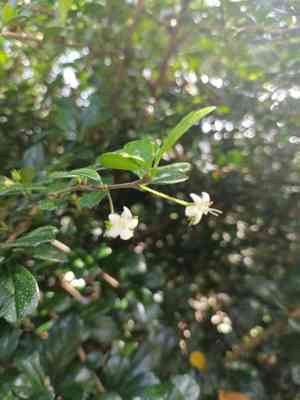
Images of Philippine tea tree
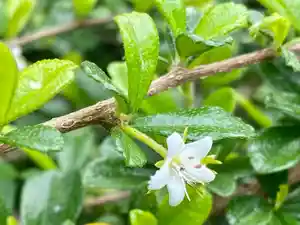
Quickly Identify Philippine tea tree
1
Look for small, oval, and glossy leaves with slightly wavy margins. The plant typically features small white flowers and can bear small, round, orange to red fruits.
Scientific Classification of Philippine tea tree
Phylum
Vascular plants
Class
Dicotyledons
Order
Boraginales
Family
Ehretiaceae
Genus
Ehretia
Species
Philippine tea tree
Planting and Growing of Philippine tea tree
Care Difficulty
Easy
Watering Schedule
Every 4 days
Sunlight Requirements
Full sun
Sunshine Duration
4-8 hours
Ideal Temperature
65-75℉
Soil Type
Potting Mix, Peat Mix
Soil pH
6.5-7.5
Fertilizer Type
Balanced
Pruning Season
Spring, Summer
Pruning Area
Branches, Leaves
Pruning Frequency
2 times a year
Repotting Season
Spring
Pot Type
Plastic, Terracotta
 How to Water Philippine tea tree?
When watering Ehretia microphylla, ensure that the soil is thoroughly moistened but not waterlogged. Aim for about 200 ml per session, enough to soak the root system without pooling on the surface. This plant appreciates a good drink but needs time to dry out between waterings.
What are the symptoms of an underwatered Philippine tea tree?
›
What should I do if my Philippine tea tree is not getting enough water?
›
What are the symptoms of an overwatered Philippine tea tree?
›
How to save an overwatered Philippine tea tree?
›
 What Are the Sunlight Requirements for Philippine tea tree?
Partial to full sun exposure promotes lush foliage and flowering, enhancing Ehretia microphylla's vigor and ornamental value.
How much light does Ehretia microphylla need?
›
What is the best location for Ehretia microphylla?
›
How to maximize light exposure for indoor Ehretia microphylla?
›
 What Is the Ideal Temperature Range for Philippine tea tree?
What is the ideal temperature range for Ehretia microphylla? The ideal temperature range for Ehretia microphylla is between 65°F to 75°F. This range ensures optimal growth and photosynthesis, providing the plant with ample energy to thrive and maintain healthy foliage. Maintaining this temperature helps in keeping the plant's metabolic processes stable and efficient.
 What Soil is Best for Philippine tea tree?
Ehretia microphylla prefers well-drained soils that prevent waterlogging, which can lead to root rot. Good drainage ensures healthy root growth and optimal nutrient uptake. Sandy loam and loam soils offer the perfect balance between drainage and moisture retention. These soil types help maintain consistent moisture levels, crucial for the plant's thriving. Enriched loam can provide the necessary nutrients for Ehretia microphylla, supporting lush foliage and robust growth. Regularly amending the soil with organic matter enhances nutrient availability.
 How to Fertilize Philippine tea tree?
Ehretia microphylla requires a balanced amount of nutrients to thrive. When using liquid fertilizer, dilute it to half strength to avoid burning the roots. For slow-release pellets, apply around 50 grams per application to maintain steady growth without overwhelming the plant.
 How to Prune Philippine tea tree?
Begin by assessing the overall shape of your Ehretia microphylla. Use clean, sharp pruning shears to cut back any overgrown branches, focusing on maintaining a compact, rounded shape. Trim back to just above a leaf node to encourage new growth. Aim for a balanced look by removing growth evenly from all sides. Regularly step back and assess the plant's shape to ensure symmetry. Perform these tasks carefully to avoid over-pruning.
 How to Propagate Philippine tea tree plant?
1
Choose cuttings from a healthy parent plant, making sure they are at least 3-5 inches long. Cut just below a node to increase the rooting area, and strip the leaves from the lower half of the cutting.
2
Dip the bottom of the cuttings into a rooting hormone powder or gel to encourage faster root development. This step is crucial when propagating cuttings to improve success rates.
3
Insert the treated cuttings into a pot filled with a suitable well-draining potting mix. Water lightly, ensuring the soil remains moist but not waterlogged, to promote root growth.
 How to Repot Philippine tea tree plant?
1
Look for signs like roots emerging from drainage holes or a noticeable decline in growth. These indicate the need for a larger pot or refreshed soil. Spring or early summer, when Ehretia microphylla is actively growing, is the ideal time to repot, allowing for quick recovery and adaptation.
2
Select a pot that is 1-2 inches larger in diameter than the current one. Ensure it has ample drainage holes to prevent water stagnation. A slightly bigger pot provides necessary room for root expansion without overwhelming the plant.
3
Opt for a well-draining loamy soil mix. This type of soil ensures proper aeration and moisture regulation, preventing root rot. Adding perlite or sand can enhance drainage, providing an ideal growing medium for Ehretia microphylla.
Learn More About Philippine tea tree Diseases
Anthracnose
Bacterial Leaf Spot
Black Spot
Chemical Injury
Crown Gall
Damping-off
Downy Mildew
Drought Stress
Fusarium Wilt
Gray Mold
Leaf Curl
Leaf Spot
Mosaic
Nutrient Deficiency
Nutrient Toxicity
Powdery Mildew
Root Rot
Root-knot Nematode
Sooty Mold
Spider Mites
Temperature Stress
Thrips Damage
White Mold



