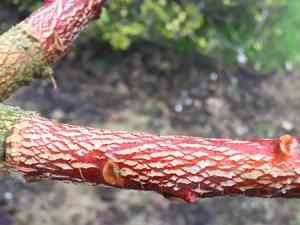
Paperbush (Edgeworthia chrysantha)
Also known as: Paperbush plant
The paperbush plant (Edgeworthia chrysantha) is admired for its attractive structure and sweetly scented blossoms, which appear in late winter. Its bark has been traditionally used to make fine paper, particularly in Japan and China, where it has been utilized for crafting high-quality paper products, including traditional Japanese washi paper. This durable paper has applications in art, calligraphy, and religious scriptures. The plant's genus name, Edgeworthia, likely honors the Irish botanist Michael Pakenham Edgeworth and his sister, Maria Edgeworth. The species name, chrysantha, highlights its striking yellow flowers.
Attributes of Paperbush
Images of Paperbush
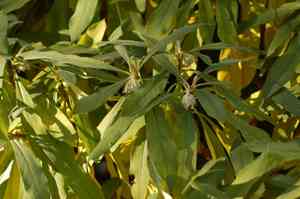
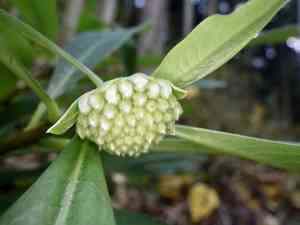
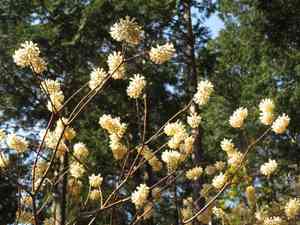
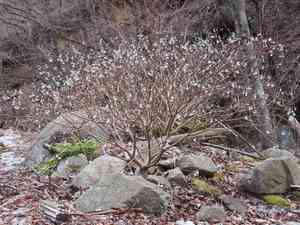
Quickly Identify Paperbush
Scientific Classification of Paperbush
Planting and Growing of Paperbush
 How to Water Paperbush?
 What Are the Sunlight Requirements for Paperbush?
 What Is the Ideal Temperature Range for Paperbush?
 What Soil is Best for Paperbush?
 How to Fertilize Paperbush?
 How to Prune Paperbush?
 How to Propagate Paperbush plant?
 How to Repot Paperbush plant?
Toxicity of Paperbush
Is Paperbush toxic to cat?
Paperbush has been recognized to possess a mild toxicity level for cats. If consumed in significant quantities, every part of the paperbush can prove to be harmful. Ingestion of paperbush may lead to cats showing signs of physical discomfort or illness. Cat owners should remain watchful and ensure their pets do not access any part of the paperbush. If a cat is believed to have ingested paperbush, it is crucial to obtain prompt veterinary assistance to tackle any possible health concerns that could stem from the toxicity.
Is Paperbush toxic to dog?
The plant species known as paperbush is categorized as exhibiting mild toxicity towards dogs. If dogs consume this plant in significant quantities, they may experience poisoning. Every part of the paperbush is deemed toxic, indicating that ingesting any part of the plant has the potential to cause poisoning. Symptoms that may manifest after a dog consumes paperbush include gastrointestinal distress, vomiting, and diarrhea. It is essential for pet owners to closely observe their dogs and restrict access to paperbush, particularly since dogs may be drawn to chew on its various parts. Should a dog ingest paperbush, it is vital to seek prompt veterinary assistance to guarantee adequate treatment and management of any arising symptoms.



