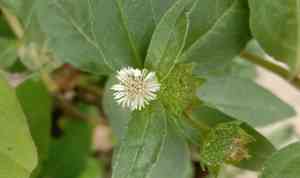
False daisy (Eclipta prostrata)
Also known as: Karisalankanni
**False daisy (Eclipta prostrata)** is an herbaceous plant classified in the sunflower family (Asteraceae). It thrives as an annual in moist environments. Notoriously considered one of the world's most troublesome weeds by some farmers, a single plant is capable of producing up to 17,000 seeds in a single growing season.
In This Article
Attributes of False daisy
Lifespan
Annual, Perennial
Plant Type
Herb
Plant Height
1 m
Spread
30 cm to 90 cm
Leaf Color
Green Blue Black
Flower Size
6 mm to 8 mm
Flower Color
White Yellow Green
Images of False daisy
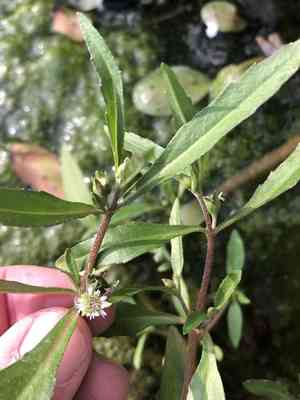
Quickly Identify False daisy
1
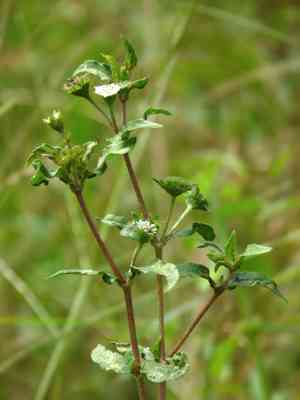
Distinct purplish hue on stems with rooting ability in contact with soil.
2
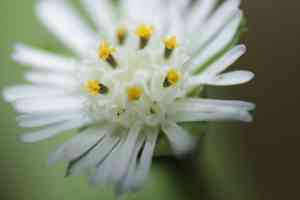
Small white to yellowish flowers, 0.5-1 inch (1.3-2.5 cm) across, lack scent.
3
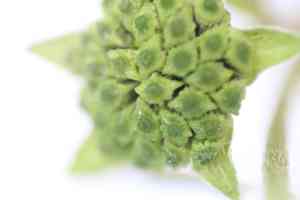
Compact brown to black achenes, 2 mm (0.08 inches) with narrow wings.
4
Narrow elliptic leaves, pubescent with serrated edges, distinctive vein pattern.
5
Fleshy green stem with appressed hairs, decumbent to prostrate branching, up to 0.1 inches (2-3 mm) thick.
Scientific Classification of False daisy
Phylum
Vascular plants
Class
Dicotyledons
Order
Asters bellflowers fanflowers and allies
Family
Daisy
Genus
Eclipta
Species
False daisy
Planting and Growing of False daisy
Care Difficulty
Easy
Watering Schedule
Every 8 days
Sunlight Requirements
Partial sun
Sunshine Duration
4-6 hours
Ideal Temperature
70-85℉
Soil Type
Potting Mix, Peat Mix
Soil pH
6.5-7.5
Fertilizer Type
Balanced
Pruning Season
Spring, Summer
Pruning Area
Branches, Leaves
Pruning Frequency
2 times a year
Repotting Season
Spring
Pot Type
Plastic, Ceramic
 How to Water False daisy?
Eclipta prostrata requires moderate watering, approximately 150 milliliters per session. Ensure the soil remains consistently moist but not soggy. Watering should be thorough, allowing water to reach the root zone, but excess water should drain out to prevent waterlogging. It's essential to balance moisture to encourage healthy growth without drowning the roots.
What are the symptoms of an underwatered False daisy?
›
What should I do if my False daisy is not getting enough water?
›
What are the symptoms of an overwatered False daisy?
›
How to save an overwatered False daisy?
›
 What Are the Sunlight Requirements for False daisy?
Partial sun or filtered light is ideal for Eclipta prostrata. Proper light exposure prevents leaf burn and supports photosynthesis, ensuring vibrant, healthy foliage and optimal flowering.
How much light does Eclipta prostrata need daily?
›
What are the solutions to provide optimal lighting?
›
What are the benefits of proper light exposure?
›
 What Is the Ideal Temperature Range for False daisy?
The ideal temperature range for Eclipta prostrata is between 70°F and 85°F. This range provides sufficient warmth for the plant to thrive, ensuring optimal growth and development. Maintaining such temperatures simulates the plant's native tropical and subtropical habitats, promoting robust foliage and vigorous flowering.
 What Soil is Best for False daisy?
Eclipta prostrata thrives in well-drained soil to prevent root rot, which can severely impact its health. Proper drainage ensures the roots can access nutrients while avoiding waterlogged conditions. It's essential for the soil to be rich in organic matter, promoting healthy growth and vibrant green foliage. Adding compost or organic fertilizers can enrich the soil, providing essential nutrients. Maintaining a balance in moisture retention is crucial, as Eclipta prostrata prefers soil that stays moist but not soggy, optimizing the plant's vitality and growth rate.
 How to Fertilize False daisy?
For Eclipta prostrata, apply a balanced fertilizer at half the recommended amount on the label. This will ensure adequate nourishment without overwhelming the plant. For liquid fertilizers, use a diluted solution, approximately 1/4 teaspoon per gallon of water.
 How to Prune False daisy?
Begin by observing the plant closely and identifying any dead, yellowing, or diseased leaves and stems. Remove these parts to improve the plant's health and appearance. To promote bushier growth, make cuts just above a node or leaf pair. This encourages the plant to send out new shoots and become fuller.
 How to Propagate False daisy plant?
1
Fill a seedling tray with a well-draining potting mix and sow Eclipta prostrata seeds on the surface. Lightly press them into the soil and cover them with a thin layer of soil. Keep the soil moist but not waterlogged.
2
Select a healthy, non-flowering stem and cut a section about 4-6 inches long. Trim the lower leaves and dip the cut end in rooting hormone before planting it in a pot filled with a moist potting mix.
3
Carefully dig up the whole plant, ensuring you do not damage the roots. Divide the plant into sections, each with its own roots and shoots. Replant each section in well-prepared soil.
 How to Repot False daisy plant?
1
Eclipta prostrata, commonly known as false daisy, signals the need to be repotted when you notice roots emerging from the drainage holes or the plant seems to be stunted in growth. These signs mean the roots are outgrowing their current home, and it's time to give them more space to thrive.
2
When selecting a new pot for Eclipta prostrata, it's important to choose one that is 1-2 inches larger in diameter than the current pot. Ensure it has drainage holes to prevent waterlogging, which can lead to root rot. A slightly larger pot allows room for growth and promotes healthy plant development.
3
Opt for a well-draining potting mix to prevent the roots from sitting in water. The ideal mix for Eclipta prostrata should contain ingredients like perlite or sand to improve aeration. This kind of soil helps in reducing the risk of root rot and supports healthy plant growth.
Learn More About False daisy Diseases
Anthracnose
Bacterial Leaf Spot
Bacterial Soft Rot
Bacterial Wilt
Chemical Injury
Damping-off
Downy Mildew
Drought Stress
Fusarium Wilt
Gray Mold
Leaf Spot
Mosaic
Nutrient Deficiency
Nutrient Toxicity
Powdery Mildew
Root Rot
Root-knot Nematode
Rusts
Sooty Mold
Spider Mites
Temperature Stress
Thrips Damage
White Mold



