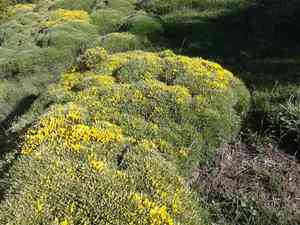
Scorpion plant (Echinospartum horridum)
Also known as: Echinospartum
Scorpion plant is a resilient shrub, noted for its spiny, densely packed branches which evince a formidable thicket. Its foliage presents small, glaucous leaves that adapt well to arid conditions, reducing water loss. During blooming season, this prickly protector yields vivid yellow flowers, providing a stark contrast to its formidable defense mechanisms against herbivores. Scorpion plant's rugged nature ensures its dominance in rocky, inhospitable environments.
In This Article
Attributes of Scorpion plant
Lifespan
Perennial
Plant Type
Shrub
Plant Height
0.5 to 1.5 meters
Spread
Approximately 1 meter
Leaf Color
Green
Flower Size
1.5 to 2 cm
Flower Color
Yellow
Images of Scorpion plant
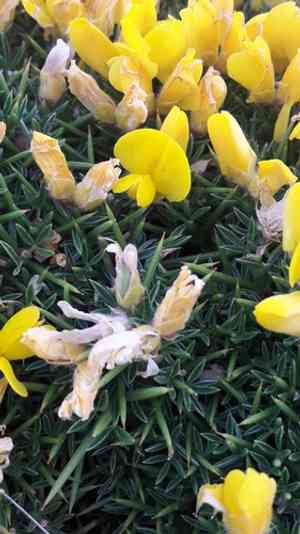
Quickly Identify Scorpion plant
1
Echinospartum horridum can be identified by its spikey branches, small leaflets, and clusters of bright yellow flowers. It typically grows in rocky, dry soils.
Scientific Classification of Scorpion plant
Phylum
Vascular plants
Class
Dicotyledons
Order
Fabales
Family
Legume
Genus
Echinospartum
Species
Scorpion plant
Planting and Growing of Scorpion plant
Care Difficulty
Hard
Watering Schedule
Every 2 days
Sunlight Requirements
Full sun
Sunshine Duration
6-10 hours
Ideal Temperature
60-75℉
Soil Type
Potting Mix, Peat Mix
Soil pH
6.5-7.5
Fertilizer Type
Balanced
Pruning Season
Spring, Summer
Pruning Area
Branches, Leaves
Pruning Frequency
2 times a year
Repotting Season
Spring
Pot Type
Plastic, Ceramic
 How to Water Scorpion plant?
For Echinospartum horridum, an ideal watering amount is about 250 ml. This should be just enough to moisten the soil without leaving it soggy. Ensure that the water penetrates deeply allowing the roots adequate hydration without causing runoff.
What are the symptoms of an underwatered Scorpion plant?
›
What should I do if my Scorpion plant is not getting enough water?
›
What are the symptoms of an overwatered Scorpion plant?
›
How to save an overwatered Scorpion plant?
›
 What Are the Sunlight Requirements for Scorpion plant?
Echinospartum horridum thrives with partial to full sun, benefiting from high energy for photosynthesis. Balanced light supports robust growth, vibrant colors, and improved tolerance to adverse conditions.
Where should I position the plant?
›
What if natural sunlight is insufficient?
›
How can I ensure consistent light exposure?
›
 What Is the Ideal Temperature Range for Scorpion plant?
For Echinospartum horridum, the ideal temperature range falls between 60°F to 75°F. This range provides a suitable environment for optimal growth and development, ensuring the plant can engage in normal physiological processes. Within this temperature bracket, water uptake, photosynthesis, and nutrient absorption occur efficiently, contributing to the plant's overall health and vigor.
 What Soil is Best for Scorpion plant?
Echinospartum horridum thrives in soil that offers excellent drainage. This requirement is crucial as it prevents water from pooling around the roots, thus avoiding root rot. Good drainage leads to healthier root systems, allowing the plant to absorb necessary nutrients efficiently. While Echinospartum horridum can survive in relatively nutrient-poor soils, a soil that is slightly rich in nutrients can support more vigorous growth. Nutrient-rich soils provide the essential minerals and organic matter that promote lush foliage and robust flowering. Echinospartum horridum favors soils that allow air penetration around the roots. A well-aerated soil structure ensures that roots have access to oxygen, which is essential for root respiration and overall plant health.
 How to Fertilize Scorpion plant?
Echinospartum horridum requires a balanced amount of fertilizer to thrive. For liquid fertilizers, use a diluted solution at 50% of the recommended strength to avoid nutrient burn, ensuring the soil is evenly moist after application. For slow-release fertilizers, apply them sparingly and evenly around the root zone, following the manufacturer's instructions for the plant's size.
 How to Prune Scorpion plant?
Begin by identifying any dead, diseased, or damaged branches. These should be removed first to maintain the plant's health. Next, focus on any branches that disrupt the plant's natural shape or inhibit light from reaching the interior. When removing branches, make clean cuts just above a bud or lateral branch. This will ensure that the plant heals quickly and discourages the growth of unsightly stubs. Always cut at a slight angle to encourage optimal healing. Periodically step back to assess the overall appearance of the shrub. This will help you maintain a balanced shape as you prune. Consider the natural form of Echinospartum horridum, which is typically dense and rounded, and aim to enhance these features.
More About Pruning Techniques→
 How to Propagate Scorpion plant plant?
1
Collect seeds from mature Echinospartum horridum plants in late summer. Ensure the seeds have fully ripened on the plant for the best chance of successful germination.
2
Select healthy, non-flowering stems for cuttings. Cut below a leaf node, ensuring each cutting is about 10-15cm long. Remove the lower leaves to leave a few at the top.
3
Sow seeds in seed trays with well-draining soil. Plant cuttings in pots using a mix of sand and peat. Water lightly to settle the soil around them.
 How to Repot Scorpion plant plant?
1
Echinospartum horridum should be repotted when you notice roots filling the pot or growing through drainage holes. Another sign is slow growth despite adequate care, indicating the plant has outgrown its current container. Spring and early summer are ideal times, as the plant is entering its active growth phase which helps it recover from transplant shock more quickly.
2
Opt for a pot that's 1-2 inches larger in diameter than the current one to give roots room to grow but avoid overly large pots to prevent waterlogging. Ensure it has drainage holes to avoid root rot, as this plant prefers dry conditions. Terra cotta pots are excellent for promoting good air circulation and moisture evaporation.
3
Choose a well-drained sandy mix to replicate its natural habitat. Mix cactus soil with some coarse sand or perlite to improve drainage. This soil type prevents water retention, reducing the risk of root rot, and supports healthy root growth by providing necessary aeration.
Learn More About Scorpion plant Diseases
Anthracnose
Bacterial Leaf Spot
Bacterial Wilt
Black Spot
Chemical Injury
Crown Gall
Cyst Nematode
Damping-off
Downy Mildew
Drought Stress
Fusarium Wilt
Gray Mold
Leaf Curl
Leaf Spot
Mosaic
Nutrient Deficiency
Nutrient Toxicity
Powdery Mildew
Root Rot
Root-knot Nematode
Rusts
Sooty Mold
Spider Mites
Temperature Stress
Thrips Damage
White Mold



