Echinopogon (Echinopogon) (Echinopogon)
Also known as: Grass Spade, Hedgehog Grass
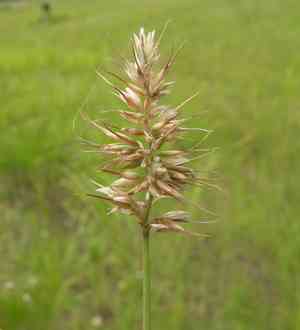
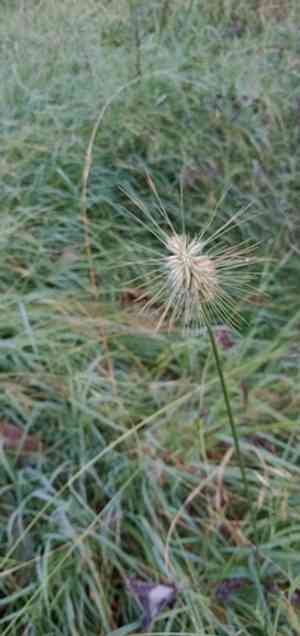
Echinopogon is a genus of flowering plants in the grass family, commonly known as Hedgehog Grass. This genus primarily occurs in Australia and is known for its spiky, hedgehog-like seed heads.
In This Article
Attributes of Echinopogon (Echinopogon)
Lifespan
Perennial
Plant Height
0.5 to 1.5 meters
Spread
Not applicable
Leaf Color
Green
Flower Size
Small, generally less than 1 cm
Flower Color
Greenish or pale
Images of Echinopogon (Echinopogon)
Quickly Identify Echinopogon (Echinopogon)
1
Echinopogon can be identified by its spiky inflorescences that resemble a hedgehog\'s back. The plant is generally tufted and has linear leaves.
Scientific Classification of Echinopogon (Echinopogon)
Phylum
Magnoliophyta
Class
Liliopsida
Order
Poales
Family
Poaceae
Genus
Echinopogon
Planting and Growing of Echinopogon (Echinopogon)
Care Difficulty
Moderate
Watering Schedule
Every 3 days
Sunlight Requirements
Full sun
Sunshine Duration
4-8 hours
Ideal Temperature
60-75℉
Soil Type
Potting Mix, Peat Mix
Soil pH
5.5-7.5
Fertilizer Type
Balanced
Pruning Season
Spring, Summer
Pruning Area
Branches, Leaves
Pruning Frequency
2 times a year
Repotting Season
Spring
Pot Type
Plastic, Ceramic
 How to Water Echinopogon (Echinopogon)?
The Echinopogon requires about 100ml of water per watering session. It is vital to ensure the soil is thoroughly moistened yet not waterlogged, aiming for a consistent moisture level. Always allow the top inch of soil to dry out before the next watering session to maintain the right balance.
What are the symptoms of an underwatered Echinopogon (Echinopogon)?
›
What should I do if my Echinopogon (Echinopogon) is not getting enough water?
›
What are the symptoms of an overwatered Echinopogon (Echinopogon)?
›
How to save an overwatered Echinopogon (Echinopogon)?
›
 What Are the Sunlight Requirements for Echinopogon (Echinopogon)?
Echinopogon benefits from full sun to partial sun conditions. Adequate lighting ensures vigorous growth, healthy leaf coloration, and optimal photosynthesis, leading to a resilient, vibrant plant.
How much sunlight does Echinopogon require?
›
What solutions ensure ideal lighting for Echinopogon?
›
What are the benefits of ideal lighting for Echinopogon?
›
 What Is the Ideal Temperature Range for Echinopogon (Echinopogon)?
The ideal temperature range for Echinopogon cultivation is between 60°F and 75°F. This range ensures optimal growth conditions, allowing the plant to thrive by maintaining proper metabolic and physiological functions. Temperatures within this range promote healthy leaf growth and flowering by providing consistent warmth without excessive heat.
 What Soil is Best for Echinopogon (Echinopogon)?
Echinopogon thrives best in well-drained soil, preventing root rot by ensuring that water does not stagnate around the roots. This facilitates healthy growth and optimal nutrient absorption for the plant. This plant requires a nutrient-rich substrate to support its rapid growth. Loamy and sandy loam soils enriched with organic matter encourage robust root development and hearty above-ground growth. Echinopogon enjoys moderate moisture levels, where soil retains some water but is not persistently wet. This balance ensures the plant has access to water during dry periods while avoiding waterlogging.
 How to Fertilize Echinopogon (Echinopogon)?
For Echinopogon, the recommended amount of fertilizer is relatively moderate. When using liquid fertilizers, apply a solution with a concentration around a quarter of the standard rate. For slow-release fertilizers, about 30 grams per square meter is sufficient to maintain healthy growth without overburdening the plant with nutrients.
 How to Prune Echinopogon (Echinopogon)?
Start by identifying any dead, damaged, or diseased stems. Use your pruners to cut these back to the base of the plant. This helps redirect the plant's energy to healthy growth. To encourage bushier growth, trim the tips of the growing stems. This will stimulate lateral growth and create a fuller appearance. Ensure cuts are made just above a node where leaves and new stems will emerge. Echinopogon can become unruly, so trim back the plant to maintain its desired shape and size. Regular shaping keeps the plant looking its best and ensures it doesn't encroach on other garden areas.
 How to Propagate Echinopogon (Echinopogon) plant?
1
Select mature seeds for planting. Clean and dry the seeds before use. For optimal germination, scarify or soak seeds in water overnight. These actions help to break the seed dormancy, promoting quicker germination.
2
Locate an established plant and gently dig it out of the soil. Examine the root system and identify natural divisions. Use a sharp, sanitized tool to separate the divisions, ensuring each has a good root portion attached.
3
Plant seeds or divisions in well-draining soil, ensuring they are not buried too deep. Water lightly to settle the soil. Keep in a bright, indirect light environment to avoid scorching and promote healthy growth.
 How to Repot Echinopogon (Echinopogon) plant?
1
Echinopogon signals its need for repotting with roots emerging from drainage holes and slowed growth. Spring or summer is preferable as the plant actively grows, ensuring better recovery from the stress of repotting.
2
Select a pot that is one to two inches wider in diameter than the current one. A slightly larger pot prevents waterlogging, which is crucial for Echinopogon, as it avoids root rot while allowing space for growth.
3
Opt for a well-draining sandy soil mix. This kind of soil mimics the plant's natural habitat, providing the necessary drainage to prevent water accumulation and promoting healthy root development.
Learn More About Echinopogon (Echinopogon) Diseases
Anthracnose
Bacterial Leaf Spot
Bacterial Soft Rot
Bacterial Wilt
Chemical Injury
Cyst Nematode
Damping-off
Downy Mildew
Drought Stress
Fusarium Wilt
Gray Mold
Leaf Spot
Mosaic
Nutrient Deficiency
Nutrient Toxicity
Powdery Mildew
Root Rot
Root-knot Nematode
Rusts
Sooty Mold
Spider Mites
Temperature Stress
Thrips Damage
White Mold

