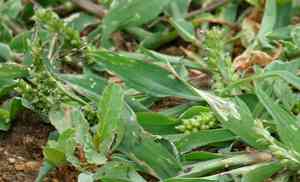
Echinochloa (Echinochloa) (Echinochloa)
Also known as: Barnyard grass, Cockspur grass
The genus **Echinochloa** consists of widely distributed grasses. Certain species within this genus can become problematic weeds in rice fields due to their ability to mimic rice plants and go unnoticed. These species can deplete up to 80 percent of the soil's nitrogen, depriving rice crops of essential nutrients. Despite this, Echinochloa species are also valuable as fodder crops.
In This Article
Attributes of Echinochloa (Echinochloa)
Lifespan
Annual
Plant Height
0.5 - 1.5 meters
Spread
Up to 1 meter
Leaf Color
Green
Flower Size
Small, not typically measured in diameter
Flower Color
Green to purple
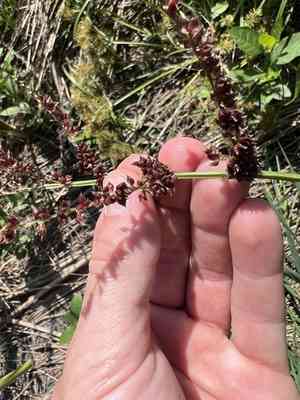
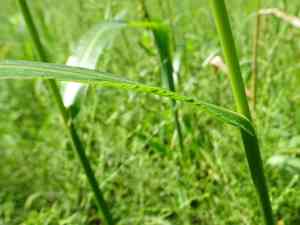
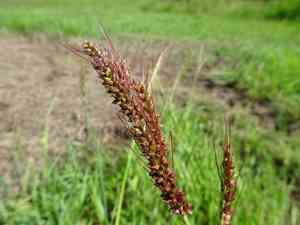
Images of Echinochloa (Echinochloa)
Quickly Identify Echinochloa (Echinochloa)
1
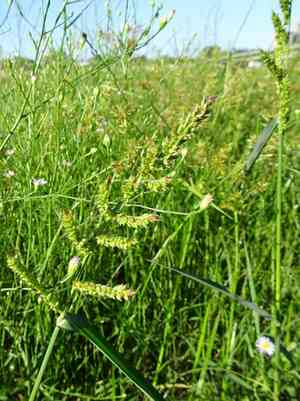
Echinochloa species are identified by their coarse, often spreading growth habit. The leaves are linear and can have a somewhat rough texture. The inflorescences are panicle-like with grainy, seed-like structures that are characteristic of this genus.
Scientific Classification of Echinochloa (Echinochloa)
Phylum
Magnoliophyta
Class
Liliopsida
Order
Poales
Family
Poaceae
Genus
Echinochloa
Planting and Growing of Echinochloa (Echinochloa)
Care Difficulty
Easy
Watering Schedule
Every 4 days
Sunlight Requirements
Full sun
Sunshine Duration
4-8 hours
Ideal Temperature
70-86℉
Soil Type
Potting Mix, Peat Mix
Soil pH
5.5-7.5
Fertilizer Type
Balanced
Pruning Season
Spring, Summer
Pruning Area
Branches, Leaves
Pruning Frequency
2 times a year
Repotting Season
Spring
Pot Type
Plastic, Ceramic
 How to Water Echinochloa (Echinochloa)?
Echinochloa requires moderate watering. Water the plant until the topsoil is thoroughly moist, but avoid allowing the pot to sit in standing water to prevent root rot. Ensure even distribution of water to all parts of the soil.
What are the symptoms of an underwatered Echinochloa (Echinochloa)?
›
What should I do if my Echinochloa (Echinochloa) is not getting enough water?
›
What are the symptoms of an overwatered Echinochloa (Echinochloa)?
›
How to save an overwatered Echinochloa (Echinochloa)?
›
 What Are the Sunlight Requirements for Echinochloa (Echinochloa)?
Echinochloa thrives best in environments providing full, direct sunlight for a majority of the day. Ideal light conditions facilitate strong growth, vibrant color, and robust health, ensuring the plant's competitive edge in its ecosystem.
What amount of light is ideal?
›
What solutions can provide ideal lighting?
›
How does ideal lighting benefit Echinochloa?
›
 What Is the Ideal Temperature Range for Echinochloa (Echinochloa)?
The ideal temperature range for Echinochloa is between 70°F to 86°F. This range allows the plant to photosynthesize efficiently and grow optimally. Temperatures within this range support healthy enzymatic activities and nutrient uptake, ensuring robust plant development.
 What Soil is Best for Echinochloa (Echinochloa)?
Echinochloa thrives in nutrient-rich soils that support vigorous growth. Rich soils provide essential nutrients, promoting healthy plants and increased resistance to pests and diseases. For optimal growth, Echinochloa requires well-drained soil. Proper drainage prevents waterlogging and root rot, allowing plants to access necessary oxygen and nutrients efficiently. While good drainage is essential, Echinochloa also benefits from soils that retain moisture well. This balance ensures the plant remains hydrated, especially during dry spells, promoting steady growth.
 How to Fertilize Echinochloa (Echinochloa)?
When it comes to fertilizing Echinochloa, it's important to use moderate amounts. Apply approximately 100 grams per square meter for solid fertilizers annually to maintain balanced nutrient levels and promote healthy growth.
 How to Prune Echinochloa (Echinochloa)?
To maintain a healthy Echinochloa, it's important to trim it regularly. Use sharp garden shears and focus on removing any dead or diseased stems at the base. By doing so, you'll encourage new growth and prevent the plant from becoming too unwieldy. While it's beneficial to prune Echinochloa to promote healthy growth, be cautious not to remove more than one-third of the plant at a time. Over-pruning can shock the plant, reducing its ability to recover and thrive. Balance is key; aim to shape and control without stunting its growth potential.
 How to Propagate Echinochloa (Echinochloa) plant?
1
Select healthy and mature seeds, ensuring they are free from any visible signs of damage or disease, as this will increase the chances of successful germination.
2
Sow the seeds evenly in a prepared seed tray filled with a sterilized potting mix, lightly covering them with a thin layer of soil to promote optimal germination conditions.
3
Maintain consistent moisture levels in the soil by gently watering and using a humidity dome to promote faster and more efficient seed germination.
 How to Repot Echinochloa (Echinochloa) plant?
1
Echinochloa plants should be repotted when you notice roots emerging from the drainage holes or circling the container. Another sign might be the rapid depletion of water, indicating that the roots have taken up too much space. Typically, spring and summer are ideal times for repotting, as the plant is in its active growth phase.
2
Select a pot that is one size larger than the current one. Ensure it has proper drainage holes to prevent waterlogging. A slightly bigger pot will give the roots room to grow while reducing the risk of overwatering, which could lead to root rot. Aesthetic factors like material and color can also complement your home decor.
3
Use a well-draining potting mix to provide the plant with essential nutrients while preventing root rot. The mix should have components like peat, perlite, or vermiculite that aid in aeration and moisture retention. This will enhance root development and ensure optimal growth conditions for your Echinochloa.
Toxicity
Ingestion
WARNING
The judgment on toxicity and danger is for reference only. We DO NOT GUARANTEE any accuracy of such judgment. Therefore, you SHALL NOT rely on such judgment. It is IMPORTANT TO SEEK PROFESSIONAL ADVICE in advance when necessary.

