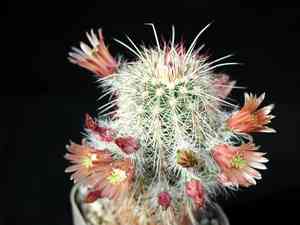
Brownspine hedgehog cactus (Echinocereus russanthus)
Also known as: Russet hedgehog cactus
The Brownspine hedgehog cactus, adorned with striking ruby-red flowers, showcases several adaptations for thriving in arid desert climates. Its compact, cylindrical stems form dense clusters near the ground, helping to conserve moisture. The cactus's vibrant blooms, which appear in spring, attract pollinators even in challenging conditions. Its spiny exterior not only provides protection from herbivores but also aids in reducing water loss and offering shade. These features, combined with its water-storing stems and efficient root system, enable the Brownspine hedgehog cactus to flourish in its harsh environment.
In This Article
Attributes of Brownspine hedgehog cactus
Lifespan
Perennial
Plant Type
Succulent
Plant Height
0 mm to 30 cm
Spread
2-3 inches
Leaf Color
N/A (Cacti do not have traditional leaves)
Flower Size
2-3 inches
Flower Color
Pink, Magenta
Images of Brownspine hedgehog cactus
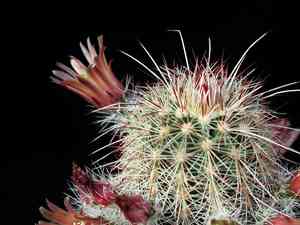
Quickly Identify Brownspine hedgehog cactus
1
Look for a small, cylindrical cactus with dense, short spines. The flowers are large, funnel-shaped, and often have bright colors such as pink or magenta.
Scientific Classification of Brownspine hedgehog cactus
Phylum
Vascular plants
Class
Dicotyledons
Order
Caryophyllales
Family
Cactuses
Genus
Hedgehog cactus
Species
Brownspine hedgehog cactus
Planting and Growing of Brownspine hedgehog cactus
Care Difficulty
Moderate
Watering Schedule
Every 2 days
Sunlight Requirements
Full sun
Sunshine Duration
6-10 hours
Ideal Temperature
65-80℉
Soil Type
Potting Mix, Peat Mix
Soil pH
6.5-7.5
Fertilizer Type
Balanced
Pruning Season
Spring, Summer
Pruning Area
Branches, Leaves
Pruning Frequency
2 times a year
Repotting Season
Spring
Pot Type
Terracotta, Plastic
 How to Water Brownspine hedgehog cactus?
Echinocereus russanthus requires careful watering; ensure the soil is thoroughly moistened yet not waterlogged. Generally, 100 milliliters per watering suffices. This dosage should penetrate the soil but avoid stagnant water at the pot base. Soil drying between sessions prevents root rot and promotes healthy growth.
What are the symptoms of an underwatered Brownspine hedgehog cactus?
›
What should I do if my Brownspine hedgehog cactus is not getting enough water?
›
What are the symptoms of an overwatered Brownspine hedgehog cactus?
›
How to save an overwatered Brownspine hedgehog cactus?
›
 What Are the Sunlight Requirements for Brownspine hedgehog cactus?
Echinocereus russanthus requires a balance of full to partial sun exposure daily. Ideal light conditions boost flowering, improve resilience, and maintain robust growth. Overall, proper light minimizes the risks of root rot and pest invasions.
How much sunlight does Echinocereus russanthus need?
›
What is the best practice to provide ideal light?
›
What are the benefits of ideal lighting for this cactus?
›
 What Is the Ideal Temperature Range for Brownspine hedgehog cactus?
The ideal temperature range for Echinocereus russanthus is between 65°F and 80°F. This range supports optimal growth and metabolic functions. Adequate warmth ensures proper cellular activities and aligns with the natural habitat conditions these cacti are accustomed to in the wild.
 What Soil is Best for Brownspine hedgehog cactus?
Echinocereus russanthus thrives in well-draining soil, preventing water retention that could cause root rot. This is crucial for cactus health, ensuring roots don't sit in water, which promotes overall plant resilience. An aerated soil structure is essential for this cactus species to facilitate root respiration and allow oxygen penetration. This promotes efficient nutrient uptake and robust growth of the cactus in its natural form. While Echinocereus russanthus doesn't demand nutrient-rich soils, a sparse nutrient profile mimics its native environment. This prevents excessive growth, maintaining its distinctive shape and unique aesthetic.
 How to Fertilize Brownspine hedgehog cactus?
For Echinocereus russanthus, it is important to use a balanced cactus fertilizer diluted to half or quarter the recommended strength. This cactus has a low nutrient requirement compared to other plants, so a little goes a long way. Excessive fertilizer can cause burns or stunted growth.
 How to Prune Brownspine hedgehog cactus?
Examine the cactus and identify sections that are dead, diseased, or growing in an unwanted direction. Look for any signs of rot or discoloration as these are good indications of areas that need pruning. Using your sterilized tool, make a clean cut at the base of the unwanted segment. Avoid tearing or ripping the tissue as this could harm the plant. Post-pruning, let the cactus heal in a dry area away from direct sunlight. The cut areas should develop a callus, protecting the plant from potential pathogens.
More About Pruning Techniques→
 How to Propagate Brownspine hedgehog cactus plant?
1
Select a well-draining cactus mix or prepare your own by combining equal parts of sand, perlite, and potting soil. This mix will encourage proper drainage and root development.
2
Using a sharp knife, take a cutting from a healthy section of the cactus. Allow the cut area to callus over for a few days in a dry environment to prevent rot before planting.
3
Gently press seeds into the surface of the prepared growing medium without burying them too deep. Keep the medium moist and provide indirect sunshine to encourage germination.
 How to Repot Brownspine hedgehog cactus plant?
1
The Echinocereus russanthus needs repotting when its roots fill the pot or start to grow through the drainage holes, indicating it has outgrown its current container. Spring or early autumn is ideal, when the plant is not in its active growing season, minimizing stress.
2
Select a pot that is slightly larger than the current one, with drainage holes to prevent water accumulation. A clay or ceramic pot is preferred; it is breathable and helps excess moisture evaporate, protecting roots from rotting.
3
Opt for a gritty cactus soil mix, rich in minerals and well-draining properties. This type of soil prevents waterlogging and mimics the natural arid environments Echinocereus thrives in, promoting healthy root development.



