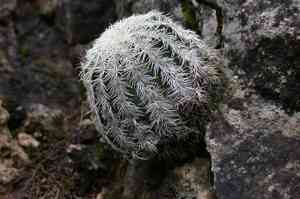
Lace Hedgehog Cactus (Echinocereus reichenbachii)
Also known as: Purple Candle Cactus, Fitch's Hedgehog Cactus, Purple Candle
Lace Hedgehog Cactus (Echinocereus reichenbachii) is a perennial cactus found in Mexico and the southwestern U.S. It thrives in dry, rocky environments with excellent drainage. Commonly grown as an ornamental plant, it flourishes in sunny spots with minimal water.
In This Article
Attributes of Lace Hedgehog Cactus
Lifespan
Perennial
Plant Type
Succulent
Plant Height
40 cm
Spread
20 cm
Leaf Color
Green
Flower Size
5 cm to 10 cm
Flower Color
Purple Pink
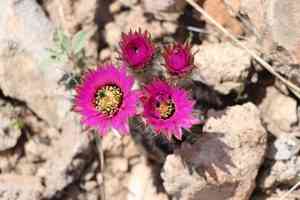
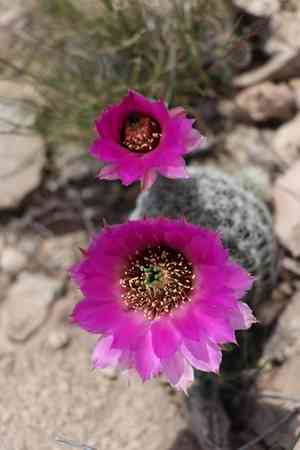
Images of Lace Hedgehog Cactus


Quickly Identify Lace Hedgehog Cactus
1
This cactus can be identified by its cylindrical shape covered with dense, white spines. During blooming season, it produces large, showy flowers that are typically pink to magenta in color.
Scientific Classification of Lace Hedgehog Cactus
Phylum
Vascular plants
Class
Dicotyledons
Order
Caryophyllales
Family
Cactuses
Genus
Hedgehog cactus
Species
Lace Hedgehog Cactus
Planting and Growing of Lace Hedgehog Cactus
Care Difficulty
Easy
Watering Schedule
Every day
Sunlight Requirements
Full sun
Sunshine Duration
4-6 hours
Ideal Temperature
68-77℉
Soil Type
Potting Mix, Peat Mix
Soil pH
6.5-7.5
Fertilizer Type
Balanced
Pruning Season
Spring, Summer
Pruning Area
Branches, Leaves
Pruning Frequency
2 times a year
Repotting Season
Spring
Pot Type
Plastic, Ceramic
 How to Water Lace Hedgehog Cactus?
Echinocereus reichenbachii requires a cautious watering approach. Watering should involve about 50 milliliters, enough to moisten the potting mix without drenching it. The soil should feel damp but not excessively wet, preventing potential root rot.
What are the symptoms of an underwatered Lace Hedgehog Cactus?
›
What should I do if my Lace Hedgehog Cactus is not getting enough water?
›
What are the symptoms of an overwatered Lace Hedgehog Cactus?
›
How to save an overwatered Lace Hedgehog Cactus?
›
 What Are the Sunlight Requirements for Lace Hedgehog Cactus?
Echinocereus reichenbachii flourishes under full sun conditions, with 6-8 hours of bright light. This exposure supports vigorous growth and enhances the plant's natural coloration and blooming capacity through effective photosynthesis.
More About Sunlight Requirements Techniques→
What is the best environment for Echinocereus reichenbachii?
›
How can one achieve ideal lighting for this cactus?
›
What are the benefits of ideal sunlight for Echinocereus reichenbachii?
›
 What Is the Ideal Temperature Range for Lace Hedgehog Cactus?
The ideal temperature range for Echinocereus reichenbachii is between 68°F and 77°F. This range provides optimal conditions for metabolic processes such as photosynthesis and respiration, supporting healthy growth and development.
 What Soil is Best for Lace Hedgehog Cactus?
Echinocereus reichenbachii thrives in well-draining soil to prevent root rot. Optimal drainage ensures roots receive adequate air, promoting healthy growth and preventing waterlogging. A nutrient-rich substrate provides essential minerals and vitamins, aiding in the cactus's resilience and encouraging vibrant blooms during flowering seasons. Soil with an aerated texture allows oxygen penetration, crucial for root respiration. This ensures robust root development and overall plant vitality.
 How to Fertilize Lace Hedgehog Cactus?
Echinocereus reichenbachii, commonly known as the lace hedgehog cactus, requires a delicate balance in fertilization. Use a diluted liquid cactus fertilizer, typically diluted to a quarter of the recommended strength, to avoid burning the plant's roots.
 How to Prune Lace Hedgehog Cactus?
Start by identifying any dead or damaged stems or flowers. Carefully cut these away at their base, taking care not to cut too close to healthy tissue. This will help the plant direct energy to healthier parts. If some stems are growing unevenly, prune them to create a more balanced shape. A well-pruned cactus not only looks better but can also lead to more robust growth.
 How to Propagate Lace Hedgehog Cactus plant?
1
Choose healthy and mature plants that are disease-free. This ensures that the offspring start with the best genetic material and reduces the risk of transferring issues.
2
Use a sterilized knife to make cuts on stems or leaves during the right season. Let the cuttings dry for several days until a callus forms to prevent rot when they are planted.
3
Place the callused cuttings into slightly moist potting soil. Ensure that they are upright and the base is fully in contact with the soil surface to encourage rooting.
 How to Repot Lace Hedgehog Cactus plant?
1
Echinocereus reichenbachii needs repotting when you notice signs such as roots poking out from the drainage holes or if the plant seems cramped in its pot. It's also time to repot if the soil seems compacted, retaining too much moisture, or if the plant has outgrown its container and is top-heavy. Ideally, repot during spring or summer for optimal growth conditions.
2
Select a pot that's slightly larger than the current one, allowing ample room for root expansion. The pot should have drainage holes to prevent water accumulation, which can lead to root rot. Materials like ceramic or clay are preferred as they provide stability and breathability, aiding in moisture regulation.
3
Opt for a well-draining cactus mix with plenty of inorganic materials like pumice, perlite, or sand. This mix helps prevent water retention, replicating the plant's natural arid environment. The right soil ensures proper aeration, reducing the risk of rot and promoting healthy growth.



