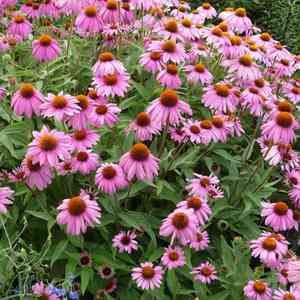
Purple coneflower (Echinacea purpurea)
Also known as: Hedgehog coneflower
The purple coneflower (Echinacea purpurea), native to North America, thrives in prairies and open woodlands. It's a great addition to gardens and flower beds for several reasons. The plant's vibrant blooms not only provide color throughout the summer but also attract essential pollinators like bees and butterflies.
In This Article
Attributes of Purple coneflower
Lifespan
Perennial, Annual
Plant Type
Herb
Plant Height
30 cm to 1.5 m
Spread
10 cm to 50 cm
Leaf Color
Green
Flower Size
7 cm to 15 cm
Flower Color
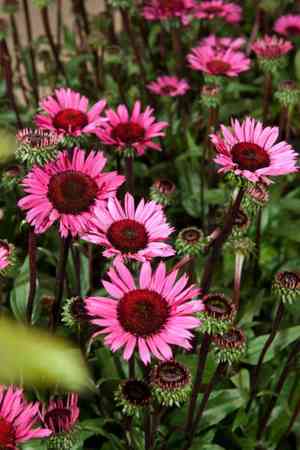
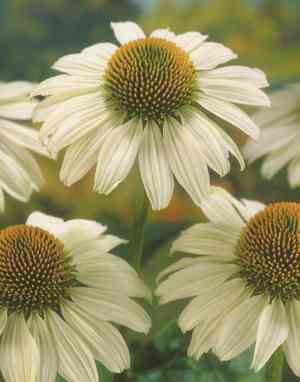
Pink Purple White Brown Red Orange Yellow
Images of Purple coneflower
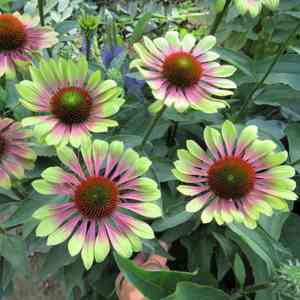
Quickly Identify Purple coneflower
1
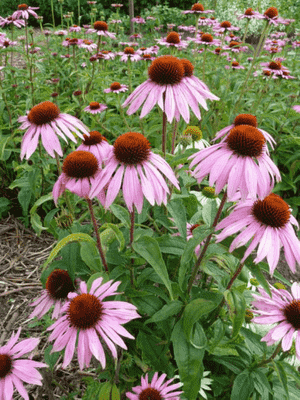
Prominent purplish-brown central disc with lavender ray petals in a daisy-like arrangement.
2
Coarse, scabrous leaves with serrate edges, dark green color, and ovate-lanceolate shape.
3
Stem is light green with purple streaks, white hairs, slightly rough texture, and moderate thickness.
4
Distinct hairy stem with fine hairs, upright growth, and occasional branching near floral arrangements.
5
Small, dry, dark achenes with 4-sided shape nestled in a prominent central cone.
Scientific Classification of Purple coneflower
Phylum
Vascular plants
Class
Dicotyledons
Order
Asters bellflowers fanflowers and allies
Family
Daisy
Genus
Coneflowers
Species
Purple coneflower
Planting and Growing of Purple coneflower
Care Difficulty
Easy
Watering Schedule
Every 3 days
Sunlight Requirements
Full sun
Sunshine Duration
6-10 hours
Ideal Temperature
60-75℉
Soil Type
Potting Mix, Peat Mix
Soil pH
6-7.5
Fertilizer Type
Balanced
Pruning Season
Spring, Summer
Pruning Area
Branches, Leaves
Pruning Frequency
2 times a year
Repotting Season
Spring
Pot Type
Plastic, Ceramic
 How to Water Purple coneflower?
When watering Echinacea purpurea, aim to provide approximately 500 milliliters each time. The soil should be moist, but not waterlogged, allowing the roots to breathe and absorb nutrients effectively. Watering deeply but less frequently encourages the plant to develop a strong root system.
More About Watering Techniques→
What are the symptoms of an underwatered Purple coneflower?
›
What should I do if my Purple coneflower is not getting enough water?
›
What are the symptoms of an overwatered Purple coneflower?
›
How to save an overwatered Purple coneflower?
›
 What Are the Sunlight Requirements for Purple coneflower?
Echinacea purpurea prefers full sun, ideally thriving in environments offering six to eight hours of direct sunlight daily. This light promotes vibrant flower coloration, robust growth, and cultivates an overall healthier plant, sustaining pollinators.
More About Sunlight Requirements Techniques→
What is the ideal light condition for Echinacea purpurea?
›
How can you achieve ideal lighting for Echinacea purpurea?
›
What benefits does Echinacea purpurea gain from ideal lighting?
›
 What Is the Ideal Temperature Range for Purple coneflower?
The ideal temperature range for Echinacea purpurea lies between 60°F to 75°F. This range ensures optimal growth and flowering, providing the necessary warmth without stressing the plant. During this temperature range, the plant can efficiently carry out photosynthesis and other metabolic processes.
 What Soil is Best for Purple coneflower?
Echinacea purpurea thrives in well-drained soils which help prevent root rot. The ability to remove excess water protects the plant from diseases and supports robust root health. A moderately fertile soil ensures that Echinacea has sufficient nutrients without excessive growth that could make it lanky and weak. Incorporating organic matter improves soil structure and provides a slow release of nutrients, enhancing the growth and vibrancy of Echinacea purpurea.
More About Soil→
 How to Fertilize Purple coneflower?
For Echinacea purpurea, a moderate application of fertilizer is adequate. Use a balanced liquid fertilizer diluted to half-strength, approximately 1 tablespoon per gallon of water. For slow-release granules, evenly sprinkle about 3 tablespoons per square foot around the base of the plant.
More About Fertilizing Techniques→
 How to Prune Purple coneflower?
Begin by identifying and removing any dead, diseased, or damaged stems. Use sterilized pruning shears to make clean cuts close to the base. This prevents disease from spreading and invigorates the plant's growth. Once blooms start fading, cut the spent flowers back to just above a leaf node or lateral flower bud. Deadheading not only tidies up the appearance of the echinacea but also promotes the growth of new blooms, prolonging the flowering season. In late autumn, when flowering has ceased, cut back the entire plant to about 4-6 inches above the ground. This prepares the plant for winter and encourages dormancy, ensuring a healthy regrowth in the spring.
More About Pruning Techniques→
 How to Propagate Purple coneflower plant?
1
Collect mature seeds in autumn and store them in a cool, dry place until spring. Before planting, stratify seeds by refrigerating them for 4-6 weeks to improve germination rates.
2
Select healthy stems from the parent plant and cut them just below a node using a sharp knife. The cuttings should be about 4-6 inches in length.
3
In early summer, carefully dig up mature plants and separate the root clumps with multiple shoots. Replant the divided sections immediately to prevent desiccation.
 How to Repot Purple coneflower plant?
1
Echinacea purpurea shows its need for repotting through visible roots outgrow their current container, or when the plant shows diminished growth and vitality. The best time is during early spring or summer when the plant is actively growing, allowing it to recover quickly in its new space.
2
Select a pot that is 1-2 inches larger in diameter than the current one. This ensures that the plant has ample space to grow without being overwhelmed by too much empty soil that can retain excess moisture, leading to root rot.
3
Opt for well-draining soil mixed with organic matter like compost. This ensures that the roots receive enough nutrients and oxygen without being waterlogged, supporting robust growth and abundant flowering.
Learn More About Purple coneflower Diseases
Anthracnose
Bacterial Leaf Spot
Bacterial Soft Rot
Bacterial Wilt
Chemical Injury
Crown Gall
Cyst Nematode
Damping-off
Downy Mildew
Drought Stress
Fusarium Wilt
Gray Mold
Leaf Spot
Mosaic
Nutrient Deficiency
Nutrient Toxicity
Powdery Mildew
Root Rot
Root-knot Nematode
Rusts
Sooty Mold
Spider Mites
Temperature Stress
Thrips Damage
White Mold



