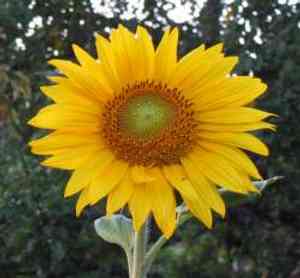
Topeka purple coneflower (Echinacea atrorubens)
Also known as: Red Purple Coneflower
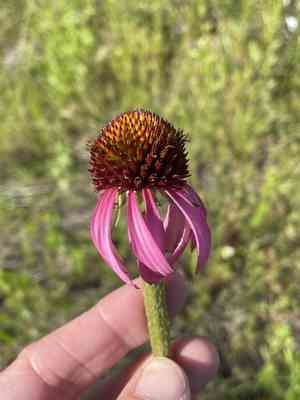
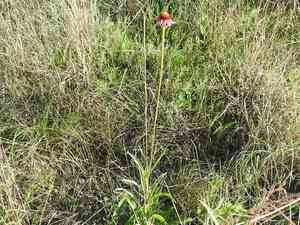
The Topeka purple coneflower features eye-catching dark red to purplish cone-shaped flower heads with drooping pinkish-purple petals. This hardy perennial thrives in well-drained soils found in prairies and open woodlands. It attracts butterflies and has been traditionally used for its believed immune-enhancing benefits, utilizing both its roots and flowers.
In This Article
Attributes of Topeka purple coneflower
Lifespan
Perennial
Plant Height
30 cm to 91 cm
Spread
45 to 60 cm (18 to 24 inches)
Leaf Color
Green
Flower Size
7.5 to 10 cm (3 to 4 inches)
Flower Color
Reddish-purple
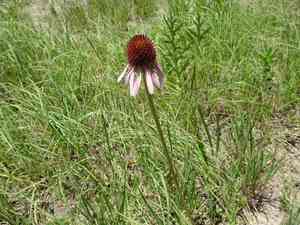
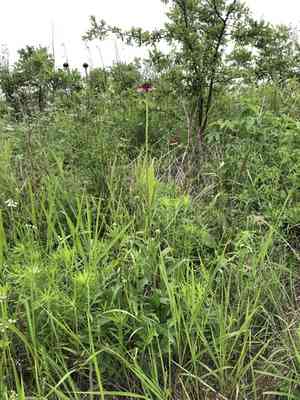
Images of Topeka purple coneflower
Quickly Identify Topeka purple coneflower
1
Identify Echinacea atrorubens by its daisy-like flowers that are deep reddish-purple in color. The plant has a cone-shaped central disk which is prominent and spiky. The leaves are lance-shaped and may have a rough texture.
Scientific Classification of Topeka purple coneflower
Phylum
Vascular plants
Class
Dicotyledons
Order
Asterales
Family
Daisy
Genus
Coneflowers
Species
Topeka purple coneflower
Planting and Growing of Topeka purple coneflower
Care Difficulty
Easy
Watering Schedule
Every 3 days
Sunlight Requirements
Full sun
Sunshine Duration
6-10 hours
Ideal Temperature
60-70℉
Soil Type
Potting Mix, Peat Mix
Soil pH
6.5-7.5
Fertilizer Type
Balanced
Pruning Season
Spring, Summer
Pruning Area
Branches, Leaves
Pruning Frequency
2 times a year
Repotting Season
Spring
Pot Type
Plastic, Ceramic
 How to Water Topeka purple coneflower?
Watering for Echinacea atrorubens should be generous enough to keep the root zone moist, especially during its growing season. A consistent amount of 250 milliliters per watering session is recommended. Follow the principle of ensuring the top inch of soil is dry before the next watering, to avoid waterlogging and ensure healthy plant growth.
What are the symptoms of an underwatered Topeka purple coneflower?
›
What should I do if my Topeka purple coneflower is not getting enough water?
›
What are the symptoms of an overwatered Topeka purple coneflower?
›
How to save an overwatered Topeka purple coneflower?
›
 What Are the Sunlight Requirements for Topeka purple coneflower?
Echinacea atrorubens ideally benefits from full to partial sun, allowing for six to eight hours of light daily. This light range supports optimal growth and flowering while ensuring the plant remains resilient and healthy.
What is the best light condition for Echinacea atrorubens?
›
How can you provide the ideal lighting for Echinacea atrorubens?
›
What are the benefits of ideal lighting for Echinacea atrorubens?
›
 What Is the Ideal Temperature Range for Topeka purple coneflower?
Echinacea atrorubens thrives in a temperature range of 60°F to 70°F. This range is optimal for healthy growth and helps ensure proper development of flowers and foliage. By maintaining this temperature range, the plant can perform photosynthesis effectively and retain water efficiently, fostering robust growth. Any deviation from this range could lead to stress and lessened health of the plant.
 What Soil is Best for Topeka purple coneflower?
Echinacea atrorubens thrives in well-drained soil where water doesn't pool. Proper drainage prevents root rot and promotes healthy root aeration, which is crucial for the overall vitality of the plant. Nutrient-rich soil supports robust growth and vibrant flower production. Amending soil with organic matter ensures the plant receives essential nutrients, enhancing both resilience and blooming. While this coneflower variety tolerates drought, consistent moisture, without being waterlogged, fosters strong growth and an extended blooming period, ensuring the plant looks its best.
 How to Fertilize Topeka purple coneflower?
Echinacea atrorubens usually thrives on moderate fertilization. For liquid fertilizers, a balanced 10-10-10 or 20-20-20 formula is typically sufficient. Use about 1 teaspoon of liquid fertilizer per gallon of water. For slow-release granules, apply around 2 to 4 ounces per plant annually based on the plant's size and soil fertility.
 How to Prune Topeka purple coneflower?
Begin by sterilizing your cutting tools to prevent disease transmission. Identify any dead or damaged stems, and prune them back to the base. Trim back spent flowers (deadheading) to encourage further blooming. Leave some seed heads if you wish to attract wildlife in the autumn. Remember to make clean cuts to reduce stress on the plant.
More About Pruning Techniques→
 How to Propagate Topeka purple coneflower plant?
1
Collect ripe seeds from Echinacea atrorubens flowers and clean them. Prepare seed trays with a well-draining potting mix. Sow seeds lightly on the surface and cover with a thin layer of soil.
2
Select healthy, non-flowering stems. Using sanitized pruning shears, cut sections about 4-6 inches long. Remove lower leaves to expose nodes for rooting, and dip the cut end in rooting hormone.
3
In early autumn, dig up mature plants. Use a sharp, clean spade to divide the root clump into sections, ensuring each division has roots and shoots. Replant divisions promptly in prepared soil.
 How to Repot Topeka purple coneflower plant?
1
Echinacea atrorubens should be repotted when you notice its roots growing out of the drainage holes, which is a sign of being root-bound. Additionally, if the soil's drainage has diminished or the plant is not thriving despite proper care, it's time for a fresh start.
2
Select a pot with a diameter about 2 inches larger than the current one to give roots room to grow. Ensure it has adequate drainage holes. This prevents excess water retention, which is crucial for preventing root rot—a common issue with poor drainage.
3
Opt for well-draining loamy soil that provides adequate nutrients while preventing waterlogging. This soil type retains adequate moisture yet drains excess water, reducing the risk of fungal diseases and promoting healthy plant growth.
Learn More About Topeka purple coneflower Diseases
Anthracnose
Bacterial Leaf Spot
Bacterial Soft Rot
Bacterial Wilt
Crown Gall
Cyst Nematode
Damping-off
Downy Mildew
Drought Stress
Fusarium Wilt
Gray Mold
Leaf Spot
Mosaic
Nutrient Deficiency
Nutrient Toxicity
Powdery Mildew
Root Rot
Root-knot Nematode
Rusts
Sooty Mold
Spider Mites
Temperature Stress
Thrips Damage
White Mold



