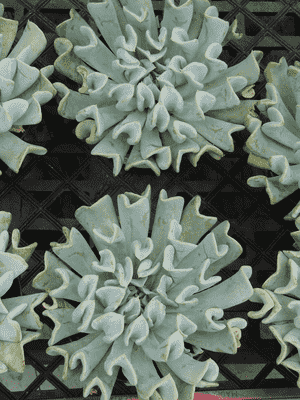
Echeveria runyonii (Echeveria runyonii)
Also known as: Runyon's Echeveria, Silver Ball
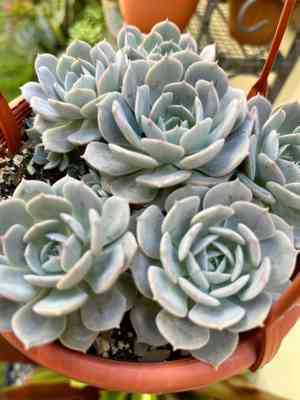
Echeveria runyonii grows fast and has almost no dormancy period. Its leaves have obtusely rounded, pale pink leaf margins and a layer of white powder on their gray-white surfaces. The leaves grow compactly when receiving sufficient light. Its leaf cuttings tend to survive easily and require no special care or maintenance, making the plant a good choice for gardening beginners.
In This Article
Attributes of Echeveria runyonii
Lifespan
Perennial
Plant Type
Succulent, Herb
Plant Height
15 cm
Spread
20 cm
Leaf Color
Silver Green Gray
Flower Size
1 cm
Flower Color
Orange Pink
Images of Echeveria runyonii
Quickly Identify Echeveria runyonii
1
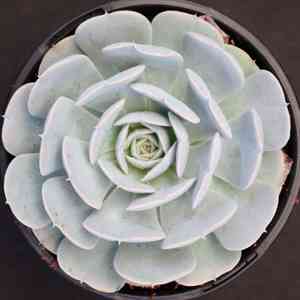
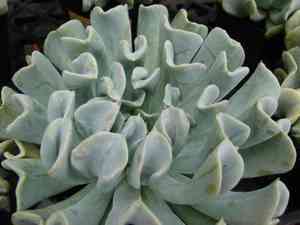
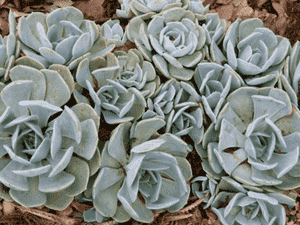
Echeveria runyonii can be identified by its rosettes of spoon-shaped leaves that are usually a pale blue-green, sometimes with a pinkish hue near the edges. The leaves are fleshy and smooth, and the plant may produce orange or yellow flowers on tall stalks.
Scientific Classification of Echeveria runyonii
Phylum
Vascular plants
Class
Dicotyledons
Order
Saxifragales
Family
Stonecrop
Genus
Echeveria
Species
Echeveria runyonii
Planting and Growing of Echeveria runyonii
Care Difficulty
Easy
Watering Schedule
Every day
Sunlight Requirements
Full sun
Sunshine Duration
4-6 hours
Ideal Temperature
65-75℉
Soil Type
Potting Mix, Peat Mix
Soil pH
6.5-7.5
Fertilizer Type
Balanced
Pruning Season
Spring, Summer
Pruning Area
Branches, Leaves
Pruning Frequency
2 times a year
Repotting Season
Spring
Pot Type
Plastic, Ceramic
 How to Water Echeveria runyonii?
Echeveria runyonii requires a moderate amount of water, typically around 150 milliliters per watering session. Ensure that you allow the soil to dry completely between waterings. The goal is to soak the soil thoroughly but not leave the plant sitting in water to prevent root rot.
More About Watering Techniques→
What are the symptoms of an underwatered Echeveria runyonii?
›
What should I do if my Echeveria runyonii is not getting enough water?
›
What are the symptoms of an overwatered Echeveria runyonii?
›
How to save an overwatered Echeveria runyonii?
›
 What Are the Sunlight Requirements for Echeveria runyonii?
Echeveria runyonii prefers full sun or partial sun. Ideal light helps it maintain balanced growth, rich color, and strengthens its natural defenses.
More About Sunlight Requirements Techniques→
What is the best lighting solution?
›
How do you achieve optimal lighting?
›
What are the benefits of optimal lighting?
›
 What Is the Ideal Temperature Range for Echeveria runyonii?
Echeveria runyonii thrives best within a temperature range of 65°F to 75°F. This range provides the warmth necessary for optimum growth and development. Temperatures below or above this range can cause stress or sluggish growth, reducing the plant’s aesthetic appeal and overall vitality. Maintaining a stable environment around this range ensures healthy leaves and robust growth.
 What Soil is Best for Echeveria runyonii?
Echeveria runyonii thrives in well-draining soil, essential for preventing root rot. The combination of sandy soil and sandy loam ensures that excess water flows away quickly, promoting healthy root development and overall plant vitality. A nutrient-rich soil provides Echeveria runyonii with essential minerals for growth. While it doesn't require overly fertile conditions, a moderate amount of organic matter, like compost, can boost its health and vibrancy. A porous soil texture is beneficial for Echeveria runyonii, allowing roots to breathe easily. This aeration is crucial for efficient nutrient uptake and encourages robust growth, making the plant more resilient and colorful.
More About Soil→
 How to Fertilize Echeveria runyonii?
Echeveria runyonii is a succulent plant that thrives with minimal fertilization. Use about one-quarter strength of a balanced liquid fertilizer solution for houseplants every time you water during the active growing season (spring and summer). Avoid over-fertilizing, as succulents are highly sensitive to excess nutrients.
 How to Prune Echeveria runyonii?
Start by carefully examining your Echeveria runyonii for any brown or withered leaves. These should be the initial target for pruning as they no longer serve the plant and can harbor pests. When removing dead or damaged leaves, make your cuts as close to the base of the leaf as possible. This ensures a clean cut and helps in the quick recovery of the succulent. If the plant appears too dense, selectively prune some of the healthiest leaves to allow more light and air to reach the inner parts. Balance is key to maintaining aesthetical growth. After each cut, especially if the plant shows any signs of disease, wipe your tools with alcohol. This prevents any potential spread of pathogens between different parts of the plant.
 How to Propagate Echeveria runyonii plant?
1
Choose healthy, robust leaves or stems for propagation. Avoid damaged or yellowing parts, as these may not root successfully. A healthy leaf or stem will be firm and green, indicating the plant’s vitality, which is crucial for successful rooting and growth.
2
Using a sterilized sharp knife or scissors, make a clean cut at the stem or leaf's base. For leaf propagation, ensure you take the entire leaf, detaching it right from the stem without leaving any part behind. This practice helps the leaf regenerate effectively.
3
Lay the cuttings aside in a dry, warm area for a few days until calluses form over the cuts. This step is vital to prevent rot when planting as it forms a protective layer over the cut surface. Depending on the humidity, it may take a few days to a week.
 How to Repot Echeveria runyonii plant?
1
The telltale signs that your Echeveria runyonii needs repotting include roots emerging from drainage holes, soil that no longer retains water, or a noticeably larger plant mass relative to its container. Ideally, repotting should be done in the growing season to give the succulent adequate time to adjust.
2
Select a pot that's slightly larger, with ample drainage holes to ensure excess water doesn't stagnate. The extra space allows roots to grow and helps maintain optimal air circulation, reducing the risk of root rot, a common succulent problem.
3
Opt for a gritty, well-draining cactus mix with ample perlite or pumice. This fast-draining soil prevents water from accumulating, reducing the risk of root rot, while mimicking the succulent's natural rocky habitat.



