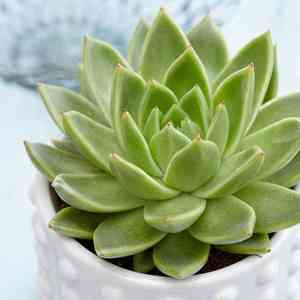
Lipstick echeveria (Echeveria agavoides)
Also known as: Molded wax, Molded wax plant, House leek
Lipstick echeveria (Echeveria agavoides), originally from rocky regions of Mexico, thrives in environments with plenty of direct sunlight and well-draining, mineral-rich soil. This succulent does best in low-moisture conditions, mirroring its natural habitat.
In This Article
Plant Comprehensive Care Guide: Beginner's Introduction and Key Details
Perfect for beginners starting their plant care journey
→
10 Secrets to Making Lipstick echeveria Grow Faster (A Must-Read for Beginners)
Advanced tips to accelerate your plant's growth
→
Care "Black Tech": 10 Little-Known Highly Effective Maintenance Tips
Expert-level techniques for optimal plant care
→
Attributes of Lipstick echeveria
Lifespan
Perennial
Plant Type
Succulent, Herb
Plant Height
8 cm to 12 cm
Spread
20 cm to 30 cm
Leaf Color
Green Red
Flower Size
2.5 cm
Flower Color
Yellow Red
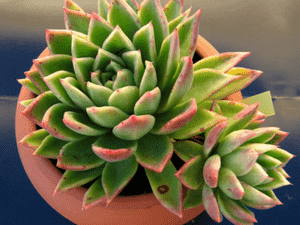
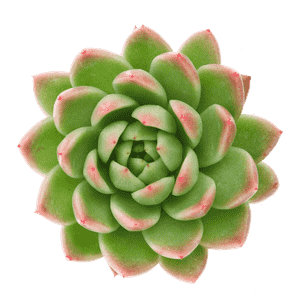
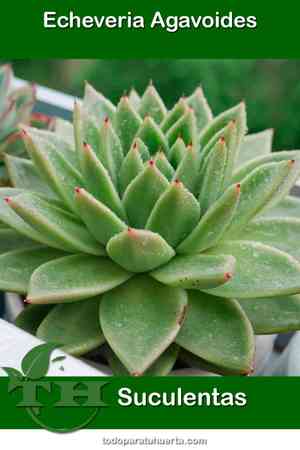
Images of Lipstick echeveria
Quickly Identify Lipstick echeveria
1
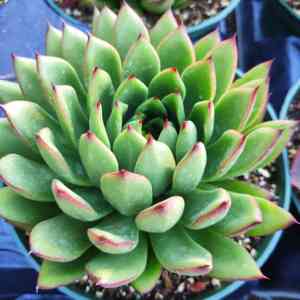
Rosette up to 12 inches wide and 6 inches tall with apple-green leaves.
2
Leaves taper to a pointed spine, adorned with distinctive reddish edges.
3
Produces red flowers tipped with yellow in spring to early summer.
4
Thrives in sunnier spots of cooler gardens, adaptable to shade.
5
Hardy plant, tolerates temperatures of approximately 15-20 degrees Fahrenheit (-9 to -7 degrees Celsius).
Scientific Classification of Lipstick echeveria
Phylum
Vascular plants
Class
Dicotyledons
Order
Saxifrages, stonecrops and allies
Family
Stonecrop
Genus
Echeveria
Species
Lipstick echeveria
Planting and Growing of Lipstick echeveria
Care Difficulty
Easy
Watering Schedule
Every 2 days
Sunlight Requirements
Full sun
Sunshine Duration
6-8 hours
Ideal Temperature
65-75℉
Soil Type
Potting Mix, Peat Mix
Soil pH
6.5-7.5
Fertilizer Type
Balanced
Pruning Season
Spring, Summer
Pruning Area
Branches, Leaves
Pruning Frequency
2 times a year
Repotting Season
Spring
Pot Type
Plastic, Ceramic
 How to Water Lipstick echeveria?
Echeveria agavoides prefers to be watered thoroughly but infrequently. Make sure the soil is completely dry between waterings. About 100 ml of water should be sufficient to soak the soil deeply but avoid waterlogging.
More About Watering Techniques→
What are the symptoms of an underwatered Lipstick echeveria?
›
What should I do if my Lipstick echeveria is not getting enough water?
›
What are the symptoms of an overwatered Lipstick echeveria?
›
How to save an overwatered Lipstick echeveria?
›
 What Are the Sunlight Requirements for Lipstick echeveria?
Partial to full sun is ideal. This ensures optimum photosynthesis, promoting vibrant coloration, compact form, and prevents etiolation, securing Echeveria agavoides' natural aesthetic properties.
More About Sunlight Requirements Techniques→
Where should I place my Echeveria agavoides?
›
What type of lighting is best?
›
How can I adjust lighting conditions seasonally?
›
 What Is the Ideal Temperature Range for Lipstick echeveria?
The ideal temperature range for the cultivation of Echeveria agavoides is between 65°F and 75°F. This range provides the appropriate warmth required for optimal growth. Within this range, the plant can effectively photosynthesize and maintain water efficiency, crucial for its succulent nature. Consistent exposure to this temperature range throughout daylight hours ensures robust health and minimal stress for the plant.
 What Soil is Best for Lipstick echeveria?
Echeveria agavoides thrives in well-drained soil to prevent root rot. A porous mix ensures that water drains quickly, keeping the roots healthy and robust. A balance of organic material helps provide essential nutrients. Compost or controlled-release fertilizers can give your succulent a nourishing boost for optimal growth. A light, airy soil structure promotes effective air circulation around the roots, enhancing oxygen uptake which is crucial for photosynthesis and energy production.
More About Soil→
 How to Fertilize Lipstick echeveria?
For Echeveria agavoides, it's important not to over-fertilize to prevent damaging its roots. Use a diluted liquid fertilizer at half-strength. Applying too much can lead to root burn and other issues. Slow-release granules should also be measured with care, ensuring they don't overwhelm the plant's capacity to utilize them.
 How to Prune Lipstick echeveria?
Start by gently examining the plant to identify any damaged or diseased leaves. Use your sterilized scissors to cut these leaves at the base where they meet the main stem, taking care not to damage the healthy parts. If your Echeveria is becoming leggy, consider cutting back some of the longer stemmed parts. This helps maintain a desirable rosette shape and prevents the plant from toppling over. Leaves removed during pruning can be used for propagation. Allow them to callous over for a few days, and then place them on top of the soil to start new plants.
 How to Propagate Lipstick echeveria plant?
1
Choose healthy leaves or offsets from the parent plant, ensuring they are undamaged and firm. This increases the chances of successful propagation.
2
After cutting, allow the leaf or stem cuttings to dry and develop a callous for several days before planting. This helps prevent rot and encourages rooting.
3
Place the calloused cutting in well-draining succulent soil. Gently press the soil around the base to stabilize the cuttings, ensuring they are not buried too deeply.
 How to Repot Lipstick echeveria plant?
1
Echeveria agavoides should be repotted when its roots start to outgrow the current container or new offshoots begin sprouting. Signs include roots visible through drainage holes and slowed growth. Early spring is ideal, providing optimal conditions for recovery and new root growth.
2
Select a pot that is slightly larger than the current one, with good drainage holes. Clay pots are preferable as they allow moisture to evaporate more easily. A well-sized pot prevents water from pooling at the bottom, reducing the risk of root rot and promoting healthier root systems.
3
Opt for a well-draining cactus mix or a blend of potting soil, sand, and perlite. This type of soil emulates the plant's natural arid environment, ensuring excess water doesn't accumulate and cause root rot. The airy mixture allows roots to grow freely and absorb nutrients efficiently.



