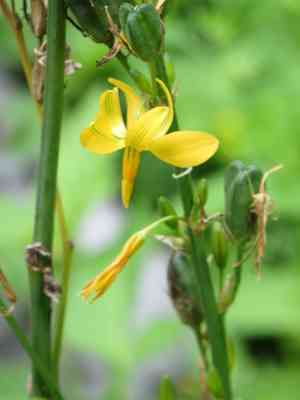
Texas craglily (Echeandia texensis)
Also known as: Texas Craglily
The Texas craglily (Echeandia texensis) is a perennial native to Texas, known for its grass-like, arching leaves that emerge from a central rosette. It thrives in well-drained soils and is adapted to the region's hot climate. This plant produces bright yellow, star-shaped flowers on tall stalks, usually blooming in the fall from late September to November.
In This Article
Attributes of Texas craglily
Lifespan
Perennial
Plant Type
Herb
Plant Height
30-60 cm
Spread
Not typically measured, as this plant has a clumping rather than spreading growth form
Leaf Color
Green
Flower Size
2-3 cm
Flower Color
Yellow
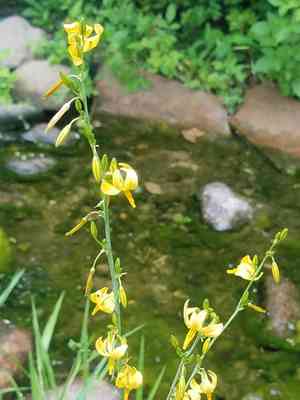
Images of Texas craglily
Quickly Identify Texas craglily
1
Winter-deciduous, clumping plant with soft, pale green strap-like leaves in rosettes.
2
Produces tall, branched spikes with nodding, yellow lily flowers in early fall.
3
Tolerant of various soil conditions, thriving in full to partial sun.
4
Cold hardy to 5°F (-15°C), attracting bees with its delicate flowers.
5
Height of 1 to 2 feet (30 to 60 cm) and width of 2 to 3 feet (60 to 90 cm).
Scientific Classification of Texas craglily
Phylum
Vascular plants
Class
Monocotyledons
Order
Asparagales
Family
Asparagus
Genus
Craglily
Species
Texas craglily
Planting and Growing of Texas craglily
Care Difficulty
Moderate
Watering Schedule
Every 2 days
Sunlight Requirements
Partial sun
Sunshine Duration
4-8 hours
Ideal Temperature
65-75℉
Soil Type
Potting Mix, Peat Mix
Soil pH
6.5-7.5
Fertilizer Type
Balanced
Pruning Season
Spring, Summer
Pruning Area
Branches, Leaves
Pruning Frequency
2 times a year
Repotting Season
Spring
Pot Type
Plastic, Terracotta
 How to Water Texas craglily?
For Echeandia texensis, it is crucial to maintain a balance in soil moisture. Aim for about 250 ml of water per session, ensuring that the water reaches the root zone. Consistency is key—allow the soil to dry out slightly between waterings, but avoid periods of complete drought.
What are the symptoms of an underwatered Texas craglily?
›
What should I do if my Texas craglily is not getting enough water?
›
What are the symptoms of an overwatered Texas craglily?
›
How to save an overwatered Texas craglily?
›
 What Are the Sunlight Requirements for Texas craglily?
Echeandia texensis thrives in environments with partial to full sun. Ideal lighting ensures robust growth and optimal flowering, promoting a sturdy and visually appealing plant structure when exposed to consistent light.
What is the best location for Echeandia texensis?
›
How can I provide ideal sunlight exposure indoors?
›
What is the benefit of ideal lighting for Echeandia texensis?
›
 What Is the Ideal Temperature Range for Texas craglily?
The ideal temperature range for Echeandia texensis is between 65°F and 75°F. This range ensures optimal growth and health, providing the plant with the right balance of warmth and moisture necessary for its development.
 What Soil is Best for Texas craglily?
Echeandia texensis thrives in well-drained soil to prevent root rot. Good drainage allows the roots to access moisture without being waterlogged, promoting healthy growth and vibrant foliage. This plant prefers soil with moderate fertility. Overly rich soils can lead to excessive foliage growth with fewer flowers, while low fertility might stunt its growth and affect blooming. Soil pH levels between 6.5 and 7.5 provide optimal growing conditions. This range allows the plant to effectively absorb essential nutrients, leading to vigorous growth and resilience.
 How to Fertilize Texas craglily?
Echeandia texensis does well with modest fertilization. Use a balanced liquid fertilizer diluted to half strength during the growing season. When using slow-release pellets, apply sparingly at the recommended dosage indicated on the packaging.
 How to Prune Texas craglily?
Start by removing any dead or damaged leaves, cutting them back to the base. Pay attention to overcrowded areas and selectively thin the growth by trimming back to the main stem. This will increase light penetration and air circulation, aiding in better plant health. Use clean and sharp gardening scissors to ensure clean cuts, reducing the risk of disease introduction. To maintain its aesthetic charm, carefully shape Echeandia texensis by pruning longer stems to encourage a more compact growth habit. Focus on areas that tend to be overly dense or branches growing beyond the desired shape. Always make cuts right above leaf nodes to encourage new growth from these points, maintaining the plant’s vibrant appearance.
More About Pruning Techniques→
 How to Propagate Texas craglily plant?
1
Begin by soaking Echeandia texensis seeds in water for 24 hours to enhance germination rates. Ensure the seeds are from a reliable source and free from any visible damage.
2
Use a well-draining potting mix to fill your seed trays or pots. Incorporating sand or perlite can help improve drainage, which is crucial for the health of Echeandia texensis seedlings.
3
Place the prepared Echeandia texensis seeds on the surface of the potting mix. Lightly cover them with a thin layer of soil or sand. Ensure they are spaced adequately to avoid overcrowding.
 How to Repot Texas craglily plant?
1
You should consider repotting your Echeandia texensis when you notice that roots are encircling the pot’s interior or are visible through the drainage holes. A clear indication is when water takes too long to drain, signaling root crowding.
2
Opt for a pot that is only slightly larger in diameter than the current one to prevent over-watering and retain proper moisture balance. The new pot should have adequate drainage holes to prevent root rot and ensure excess water can escape.
3
Select a well-draining sandy loam mixture as it allows excellent water retention while providing necessary drainage. Adding components like perlite or coarse sand can aid in aeration and prevent the risk of waterlogging.



