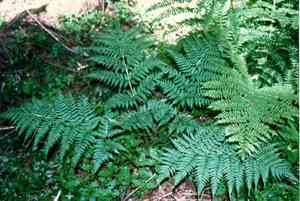
Spreading woodfern (Dryopteris expansa)
Also known as: Northern wood fern
Spreading woodfern (Dryopteris expansa) flourishes in cool, shady environments with moist, well-drained soil. Ideal for woodland gardens, it prefers partial to full shade and is known for its manageable growth. Its vibrant, light green fronds create an attractive backdrop for various flowering plants.
In This Article
Attributes of Spreading woodfern
Lifespan
Perennial, Annual, Biennial
Plant Type
Herb
Plant Height
30 cm to 91 cm
Spread
30 cm to 60 cm
Leaf Color
Green
Flower Size
Not Applicable
Flower Color
White
Images of Spreading woodfern
Quickly Identify Spreading woodfern
1
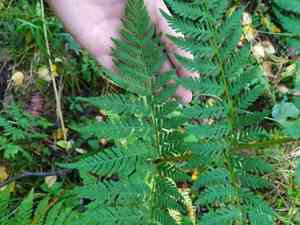
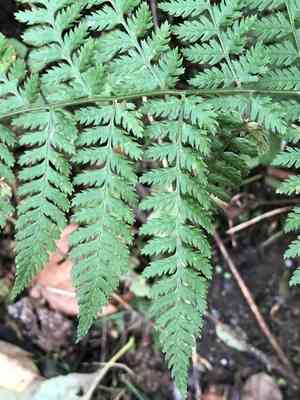
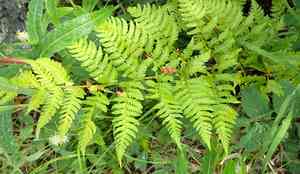
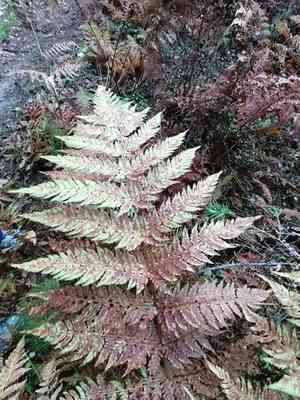
Look for its finely divided, triangular fronds, usually reaching up to 60 cm in length. The fronds are bipinnate with a delicate, lacy appearance and a somewhat triangular shape. The rachis (stem of the frond) is often covered with brown scales.
Scientific Classification of Spreading woodfern
Phylum
Vascular plants
Class
Ferns
Order
Polypodiales
Family
Wood fern
Genus
Wood ferns
Species
Spreading woodfern
Planting and Growing of Spreading woodfern
Care Difficulty
Easy
Watering Schedule
Every 2 days
Sunlight Requirements
Full shade
Sunshine Duration
6-12 hours
Ideal Temperature
60-75℉
Soil Type
Potting Mix, Peat Mix
Soil pH
5-7
Fertilizer Type
Balanced
Pruning Season
Spring, Summer
Pruning Area
Branches, Leaves
Pruning Frequency
2 times a year
Repotting Season
Spring
Pot Type
Plastic, Ceramic
 How to Water Spreading woodfern?
For Dryopteris expansa, watering should be consistent but moderate. Ensure the soil is moist, but not soggy, by allowing approximately 200 milliliters of water, which should seep evenly through the substrate. This fern appreciates humidity, so adjust based on climate and indoor conditions.
What are the symptoms of an underwatered Spreading woodfern?
›
What should I do if my Spreading woodfern is not getting enough water?
›
What are the symptoms of an overwatered Spreading woodfern?
›
How to save an overwatered Spreading woodfern?
›
 What Are the Sunlight Requirements for Spreading woodfern?
Dryopteris expansa prefers light conditions ranging from partial to full shade. Optimal lighting, which limits direct sunlight, aids in maintaining lush foliage, encourages healthy growth, and supports its natural resilience and vitality.
More About Sunlight Requirements Techniques→
What is the most suitable light condition for Dryopteris expansa?
›
How can I provide the ideal light condition for Dryopteris expansa?
›
What are the benefits of providing ideal lighting to Dryopteris expansa?
›
 What Is the Ideal Temperature Range for Spreading woodfern?
The ideal temperature range for Dryopteris expansa is between 60°F and 75°F. This range supports optimal growth and healthy appearance of foliage. It mimics the plant's natural environment where moderate temperatures prevail, promoting sturdy development and vibrant leaves. Consistent temperatures within this range also help in reducing stress and mitigating pest infestations.
 What Soil is Best for Spreading woodfern?
Dryopteris expansa thrives in soil that retains moisture without becoming waterlogged. This feature allows the roots to absorb adequate water, which is vital for the lush foliage characteristic of this fern. The plant prefers nutrient-rich soil, which provides the essential minerals and organic matter needed for vigorous growth and robust structure, enhancing its natural resilience. An acidic soil ranging from a pH of 5.0 to 7.0 is ideal. This pH range ensures optimal availability of necessary nutrients, supporting healthy growth and vibrant green leaves.
 How to Fertilize Spreading woodfern?
For Dryopteris expansa, the fertilizer amount should be modest. Use a balanced 10-10-10 liquid fertilizer, diluted to half-strength, ensuring the nitrogen, phosphorus, and potassium are provided evenly. Excessive fertilizer can lead to root damage and burnt fronds, so precision in measuring is key.
 How to Prune Spreading woodfern?
Begin by identifying and cutting away any fronds that are brown, yellow, or damaged. Use clean and sharp pruners to make cuts near the base, ensuring not to damage the healthy parts of the plant. This not only improves the plant's appearance but also prevents the spread of disease-making room for new growth. During the pruning, ensure good air circulation by thinning out the crowded center areas of the plant. Remove excess fronds to allow light and air to penetrate through the plant, reducing moisture build-up which can cause fungal issues. This method promotes a healthier environment for the fern to thrive.
More About Pruning Techniques→
 How to Propagate Spreading woodfern plant?
1
Choose a mature and disease-free Dryopteris expansa for division. It should have a robust growth and healthy fronds to ensure successful propagation. Avoid plants that show signs of distress or infection.
2
Gently lift the plant from the soil using a spade, taking care to preserve as much of the root system as possible. Shaking off excess soil helps to clearly see the root structure and makes division easier.
3
Use a sharp knife or spade to separate the root ball into smaller sections, ensuring each section has at least one crown and healthy roots. Clean and disinfect your tools between cuts to avoid spreading any plant diseases.
4
Replant each division at the same depth it was originally growing. Firm the soil gently around the base and water thoroughly but gently to settle the soil and remove air pockets. Consistent moisture levels are key to the successful establishment of new divisions.
 How to Repot Spreading woodfern plant?
1
Dryopteris expansa signals the need for repotting when you notice its roots are circling inside the pot or poking out of the drainage holes. The plant may also seem to outgrow its pot, where it looks bulky or top-heavy, or its growth has noticeably slowed despite optimal care. Choosing to repot in early Spring or Autumn ensures that the plant focuses energy on root development rather than new frond growth.
2
Select a pot that is one size larger than the current one, ensuring it has adequate drainage holes to prevent waterlogging. A clay or terracotta pot is recommended as it allows breathability and helps moderate soil moisture. This choice minimizes root rot risk and supports a healthier growing environment.
3
The ideal soil is rich in organic matter, with good drainage and moisture retention. A mix containing peat, compost, and perlite or sand is preferable, as it replicates the fern's natural woodland floor environment. Such soil conditions support the texture and moisture preferences of Dryopteris expansa, fostering robust growth.



